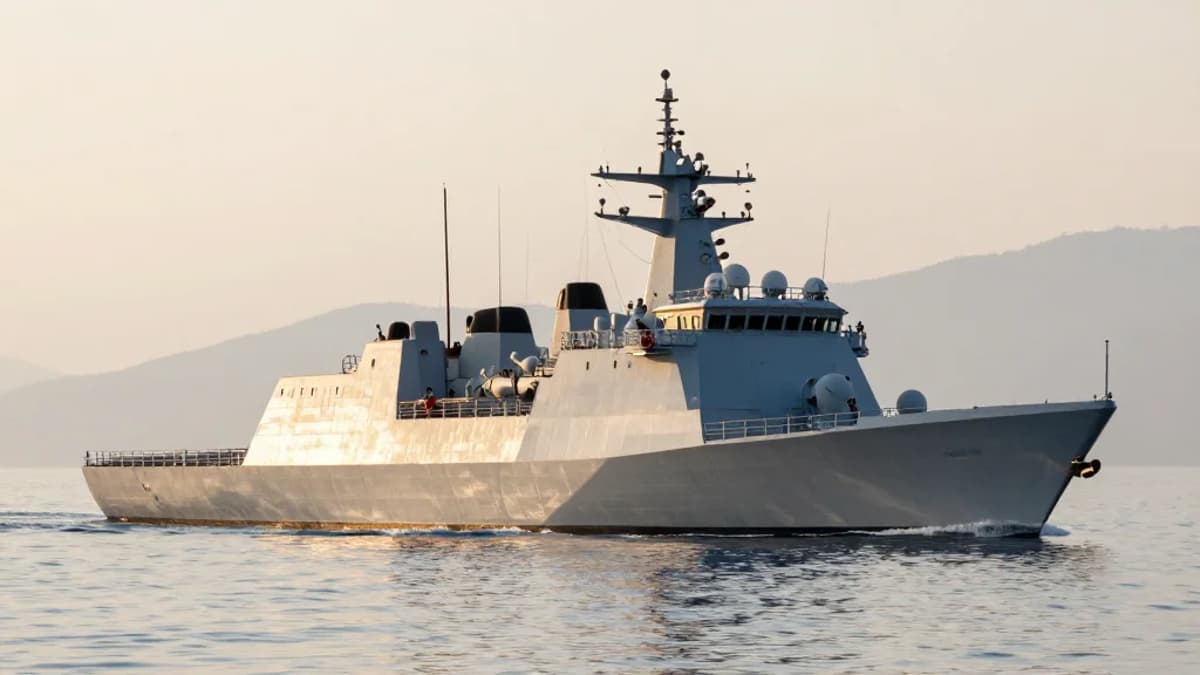
Italy Sends Frigate to Defend Europe’s South-East From Iran Strikes
•March 9, 2026
0
Why It Matters
The operation signals heightened EU solidarity and deterrence against Iranian escalation, protecting critical energy routes and regional stability.
Key Takeaways
- •Italy deploys FREMM frigate Martinengo to Eastern Mediterranean
- •Mission aims to protect Cyprus from potential Iranian attacks
- •Deployment coordinated with France, Germany, and United Kingdom
- •Italy adds air‑defence missiles and counter‑drone systems
- •Forces ready for civilian evacuations from Lebanon if needed
Pulse Analysis
The decision to send the Martinengo frigate reflects Italy’s strategic pivot toward collective European defence amid rising tensions with Iran. After a series of missile launches and proxy attacks in the Gulf, European leaders have been scrambling to reinforce the southeastern maritime corridor that funnels oil and gas to the continent. By positioning a high‑capability surface combatant near Cyprus, Italy not only shields a vulnerable island but also creates a forward‑deployed deterrent that can respond swiftly to any hostile surface or aerial threat.
Martinengo’s advanced sensor suite, Aster‑15/30 air‑defence missiles, and anti‑ship Teseo missiles make it a versatile asset for the emerging European‑UK task force. Integrated with NATO’s SNMG‑2 command structure, the frigate can share real‑time intelligence with allied vessels, coordinate anti‑drone operations, and support potential evacuation missions from Lebanon. This deployment dovetails with Italy’s broader Operation Mediterranean Secure, which already fields ASW frigates, mine‑countermeasure ships, and logistic support vessels, reinforcing a layered maritime security architecture across the Central and Eastern Mediterranean.
Strategically, the move bolsters EU energy security by safeguarding sea lanes that feed Europe’s power grids, while also sending a clear political message of unity against aggression. The added air‑defence and counter‑drone capabilities address emerging asymmetric threats, ensuring that the force can adapt to both conventional and hybrid attacks. Looking ahead, Italy’s carrier strike group and upcoming NATO exercises suggest a sustained, high‑visibility presence that will likely shape the region’s security dynamics for months to come.
Italy Sends Frigate to Defend Europe’s South-East From Iran strikes
0
Comments
Want to join the conversation?
Loading comments...