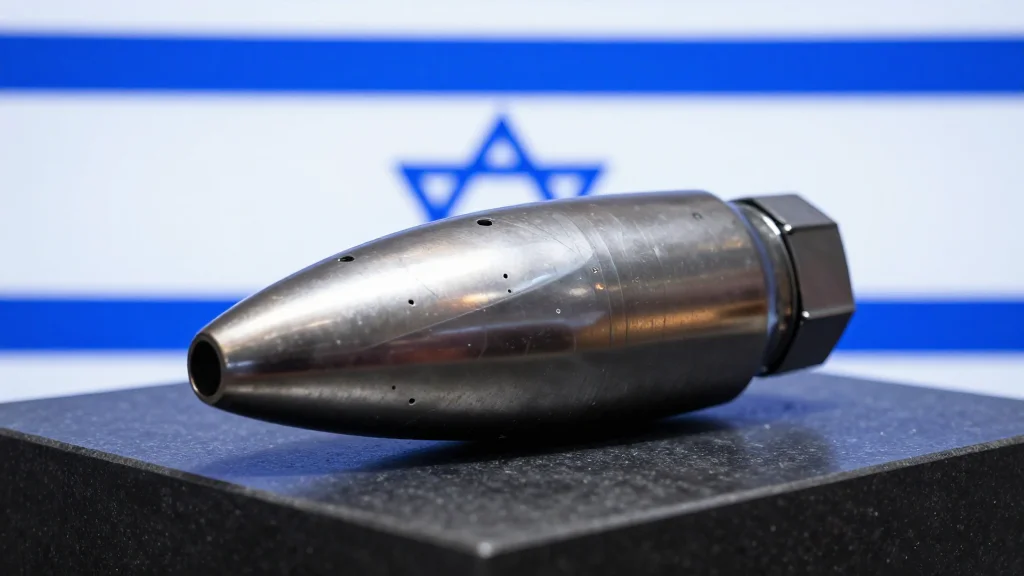
It’s Time to Officially Acknowledge Israel’s Nuclear Arsenal
Why It Matters
Official recognition would give policymakers clearer insight into regional power balances, shaping both U.S. diplomatic leverage and non‑proliferation strategy. It also forces a reassessment of U.S. military aid and alliance dynamics with Israel.
Key Takeaways
- •30 progressive House Democrats urged official acknowledgment of Israel’s nuclear arsenal.
- •Letter to Sec. Marco Rubio cites strategic and non‑proliferation benefits of transparency.
- •Acknowledgment could reshape U.S. Middle East policy and credibility on nuclear issues.
- •Critics warn it may strain U.S.–Israel relations and affect aid debates.
- •Past U.S. officials have privately confirmed Israel’s nuclear capability despite official ambiguity.
Pulse Analysis
The doctrine of nuclear ambiguity has been a cornerstone of Israel’s security posture since the late 1960s, allowing it to deter adversaries without the diplomatic baggage of declared nuclear status. U.S. intelligence agencies have long known the reality, yet successive administrations have maintained a public silence to preserve strategic flexibility and protect the bilateral relationship. This tacit acceptance has shaped regional calculations, enabling Israel to project power while keeping the non‑proliferation regime largely unchallenged in the Middle East.
The recent letter from progressive Democrats marks a rare congressional push to break that silence. By demanding formal acknowledgment, the lawmakers aim to inject transparency into U.S. policy, arguing that an honest appraisal of Israel’s arsenal would improve crisis management, inform negotiations with Iran, and enhance America’s credibility in global non‑proliferation forums. The move also reflects broader progressive concerns about U.S. aid to Israel and the moral implications of shielding a nuclear-armed ally from scrutiny. While the Trump administration is unlikely to acquiesce, the proposal could set a precedent for future bipartisan debates on the issue.
If Washington were to acknowledge Israel’s nuclear capability, the ripple effects would be profound. Congressional oversight could expand, potentially linking aid packages to non‑proliferation commitments or risk‑reduction measures. Regional actors such as Iran and Saudi Arabia might recalibrate their own nuclear ambitions, either accelerating deterrent programs or seeking diplomatic concessions. Moreover, the United States would confront a strategic dilemma: balancing the security benefits of Israel’s deterrent against the diplomatic costs of endorsing a de facto nuclear state that operates outside the Treaty on the Non‑Proliferation of Nuclear Weapons. The conversation, once taboo, is now entering the public arena, signaling a possible shift in how America navigates nuclear politics in a volatile region.
It’s time to officially acknowledge Israel’s nuclear arsenal
Comments
Want to join the conversation?
Loading comments...