Japan, Australia and a New Regional Order
Why It Matters
The summit’s direction will dictate how Japan and Australia navigate a potentially more confrontational U.S.-China relationship, shaping the future stability of the Indo‑Pacific trade and security architecture.
Key Takeaways
- •Summit could reshape U.S.-China rivalry in Indo‑Pacific
- •Japan may deepen security ties with the U.S. post‑summit
- •Australia eyes diversified supply chains amid heightened tensions
- •Regional order likely to shift toward a multilateral framework
Pulse Analysis
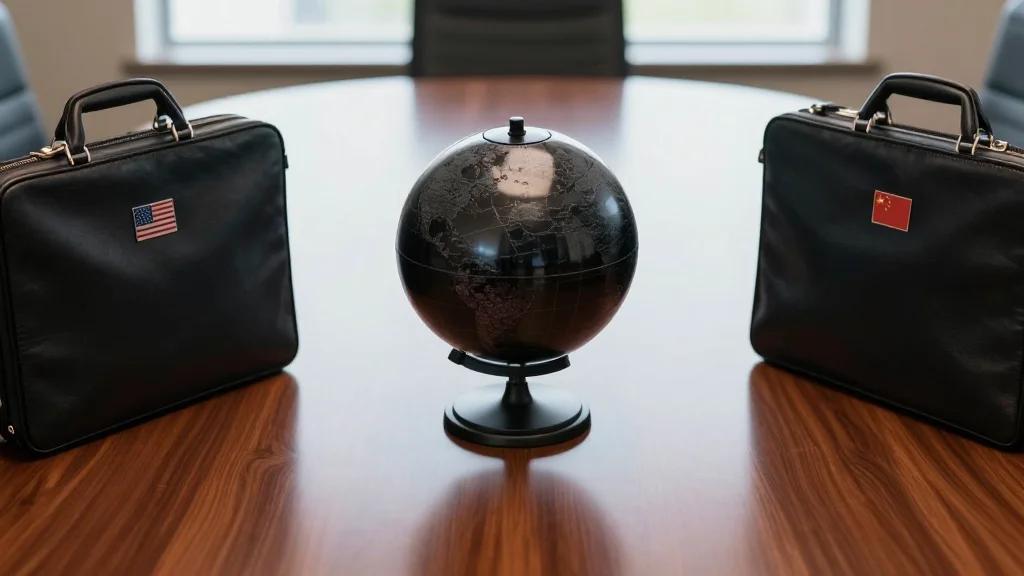
The upcoming Trump‑Xi summit marks a pivotal moment for the Indo‑Pacific, a region already strained by trade disputes, technology bans and competing naval deployments. While the agenda will focus on macro‑economic issues and strategic stability, the ripple effects will be felt most acutely by Japan and Australia, whose economies and security doctrines are tightly interwoven with both Washington and Beijing. Analysts predict that any concession or hardline stance from either side could trigger a cascade of policy adjustments, from export controls on advanced semiconductors to renewed defense budgeting in Tokyo and Canberra.
For Japan, the summit presents both a risk and an opportunity. A U.S. pivot toward a tougher China stance may compel Tokyo to accelerate its own defense modernization, including greater integration with the U.S. Pacific Fleet and expanded participation in the Quad. Simultaneously, Japanese businesses will be watching for trade‑policy signals that could affect automotive and technology supply chains, prompting a push for diversification away from Chinese dependence. The government’s diplomatic corps is likely to leverage the summit to secure assurances on freedom of navigation and to reinforce the U.S.-Japan security alliance.
Australia, meanwhile, stands at the crossroads of economic reliance on China and strategic alignment with the United States. The summit’s outcome could accelerate Canberra’s efforts to broaden its trade portfolio, especially in critical minerals and agricultural exports, while deepening security cooperation through joint exercises and intelligence sharing. Moreover, Australia may seek a more active role in a re‑engineered regional order that balances great‑power competition with multilateral institutions, positioning itself as a bridge between Western allies and Southeast Asian partners.
Japan, Australia and a New Regional Order
Comments
Want to join the conversation?
Loading comments...