Japan Lift Arms Export Limits to Meet Partner ‘Expectations’
Why It Matters
By easing export restrictions, Japan can monetize its high‑tech defense sector and reinforce collective security against regional threats, signaling a decisive pivot from its post‑war pacifist stance.
Key Takeaways
- •Japan relaxes export controls on major weapons systems
- •Policy aligns Japan with 17 allied militaries' procurement standards
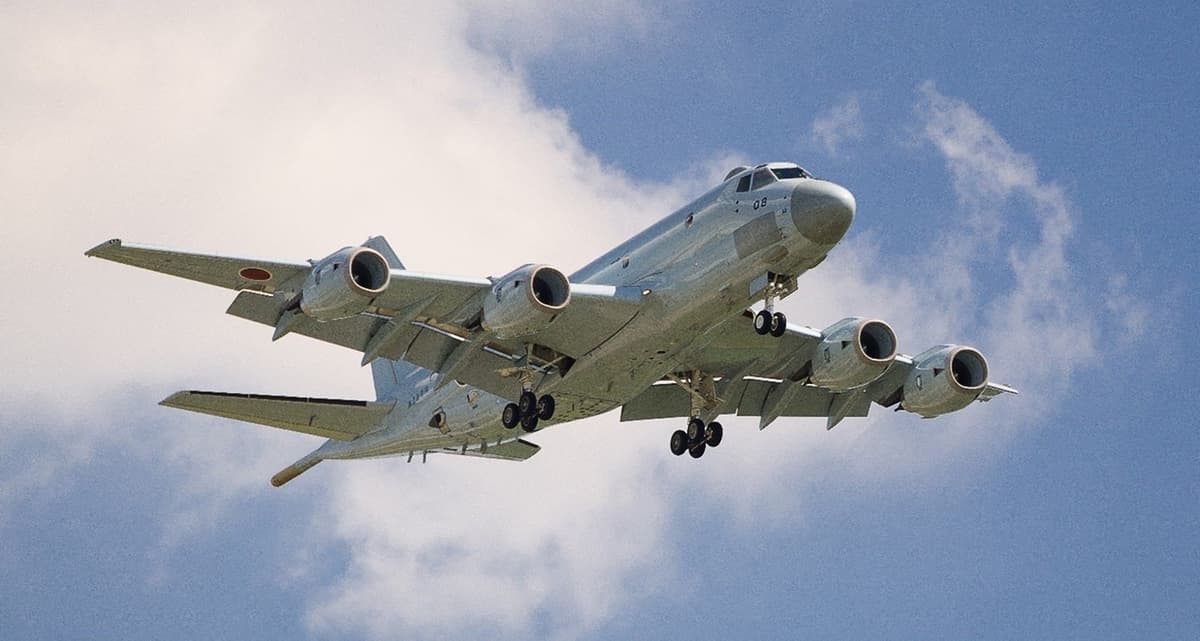
- •Kawasaki P‑1 patrol aircraft now eligible for overseas sales
- •Export liberalization aims to counter regional security threats
- •Domestic defense firms anticipate revenue boost from new markets
Pulse Analysis
Japan’s decision to lift long‑standing arms‑export limits marks a watershed in its security policy. Since World War II, Tokyo has maintained a self‑imposed cap on weapons sales, reflecting constitutional pacifism and domestic opposition. However, rising tensions in the South China Sea, North Korean missile tests, and a more assertive China have prompted policymakers to reassess that stance. By synchronizing its export criteria with those of 17 allied nations, Japan signals readiness to contribute substantively to a collective defense architecture, especially under the U.S.‑Japan security umbrella.
The new framework specifically targets high‑value platforms such as the Kawasaki P‑1 maritime patrol aircraft, which has already attracted interest at international air shows. Under the revised rules, these systems can be sold to partner countries that meet stringent end‑use assurances, effectively turning Japan into a supplier rather than merely a consumer of advanced military hardware. This alignment not only streamlines procurement for allies but also reduces duplication of effort across the Indo‑Pacific, fostering interoperability and joint operational planning. Moreover, the policy dovetails with broader Japanese initiatives, including increased defense spending and the establishment of a dedicated export licensing agency.
For Japan’s domestic defense industry, the liberalization unlocks a sizable export market estimated to be worth billions of dollars annually. Companies like Kawasaki Heavy Industries and Mitsubishi Heavy Industries stand to gain new revenue streams, supporting R&D and job creation. Strategically, the move deepens Japan’s integration with allies, reinforcing deterrence while projecting a more proactive security posture. Observers note that this shift could also prompt other regional players to reconsider their own export regimes, potentially reshaping the competitive dynamics of the global arms market.
Japan lift arms export limits to meet partner ‘expectations’
Comments
Want to join the conversation?
Loading comments...