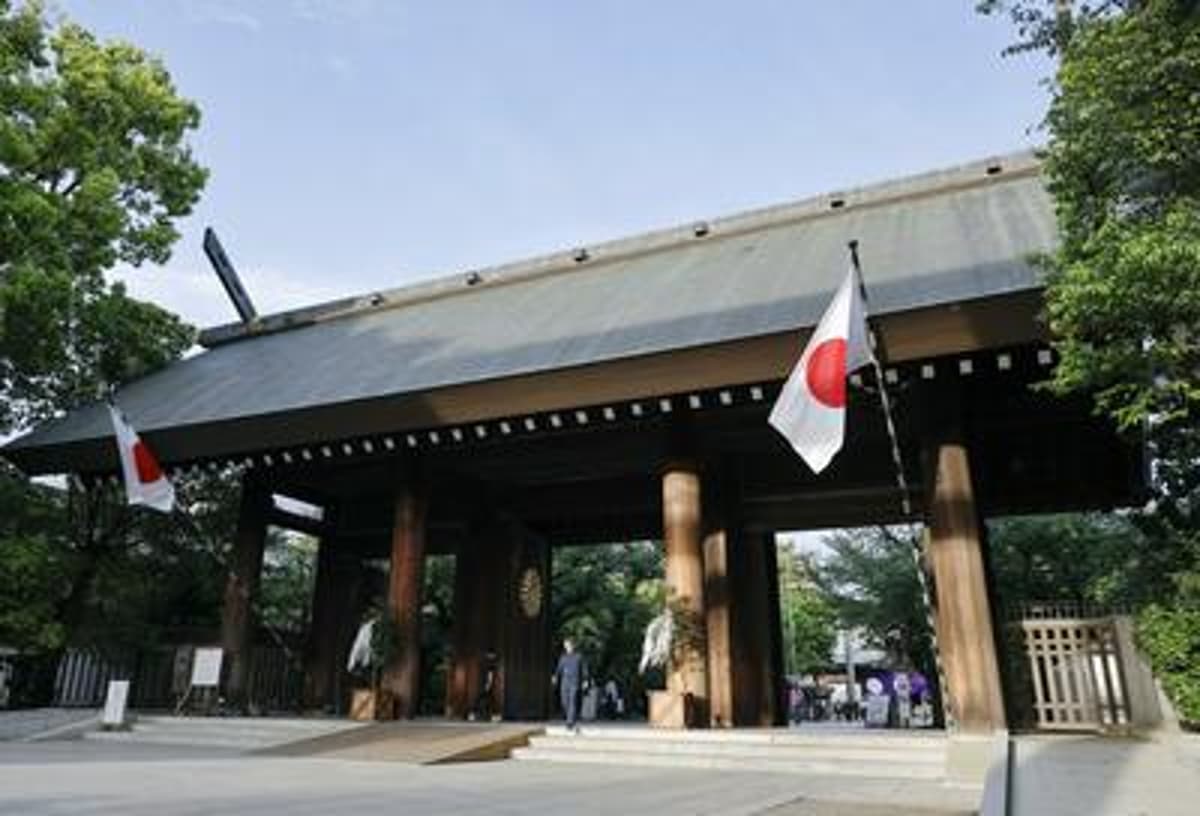
Japan PM Sends Offering to War-Linked Yasukuni Shrine for Spring Rite
Why It Matters
Takaichi’s offering revives longstanding tensions with China and South Korea, complicating Japan’s security coordination amid rising Taiwan risks. It also signals how domestic political symbolism can influence Japan’s foreign‑policy calculations.
Key Takeaways
- •PM Takaichi sent a masakaki offering to Yasukuni Shrine
- •She avoided a personal visit amid heightened China‑Japan tensions
- •China and South Korea condemned the offering as wartime revisionism
- •Move revives diplomatic friction absent since Abe’s 2013 visit
- •Taiwan‑related defense stance intensifies scrutiny of Japan’s symbolism
Pulse Analysis
Yasukuni Shrine occupies a unique place in Japan’s political and diplomatic landscape. Established to honor war dead, it also enshrines fourteen Class‑A war criminals, making any official engagement a flashpoint for China and South Korea. Past prime ministers, notably Shinzo Abe in 2013, faced sharp regional backlash after visiting the shrine, prompting successors to adopt a more cautious approach. Yet the tradition of sending ceremonial offerings, such as the evergreen masakaki, persists as a symbolic nod to national sacrifice without the overt diplomatic provocation of a physical visit.
Prime Minister Sanae Takaichi’s decision to send an offering, while publicly framing it as a private act, reflects a calculated balance between domestic expectations and international sensitivities. Her administration has taken a hawkish stance on Taiwan, labeling a potential conflict a "survival‑threatening" scenario for Japan. This security posture has already drawn criticism from Beijing, which lodged a formal protest after the offering. South Korea echoed the condemnation, urging Japan to reflect on its wartime past. The combined diplomatic pushback underscores how symbolic gestures at Yasukuni can amplify existing frictions, especially when tied to broader security narratives.
The episode highlights a broader dilemma for Japanese leadership: reconciling nationalist sentiment with the need for stable regional relations. Conservative factions within the ruling LDP view shrine reverence as a patriotic duty, while business and diplomatic circles warn that repeated provocations could jeopardize trade and security cooperation, particularly with the United States, which monitors Japan’s handling of China‑Taiwan tensions. As Japan navigates its role in a volatile Indo‑Pacific, the handling of Yasukuni symbolism will remain a barometer of how domestic politics intersect with the country’s strategic imperatives.
Japan PM sends offering to war-linked Yasukuni shrine for spring rite
Comments
Want to join the conversation?
Loading comments...