Japan Shifting to Central Role in Alliances: Experts
Companies Mentioned
Why It Matters
Japan’s active involvement reshapes the Indo‑Pacific power balance, deterring Chinese aggression while deepening trilateral interoperability. It also marks a transition from a US‑led to a jointly shared alliance framework, influencing regional defense planning.
Key Takeaways
- •Japan sent three warships, C‑130H, US‑2 to Balikatan
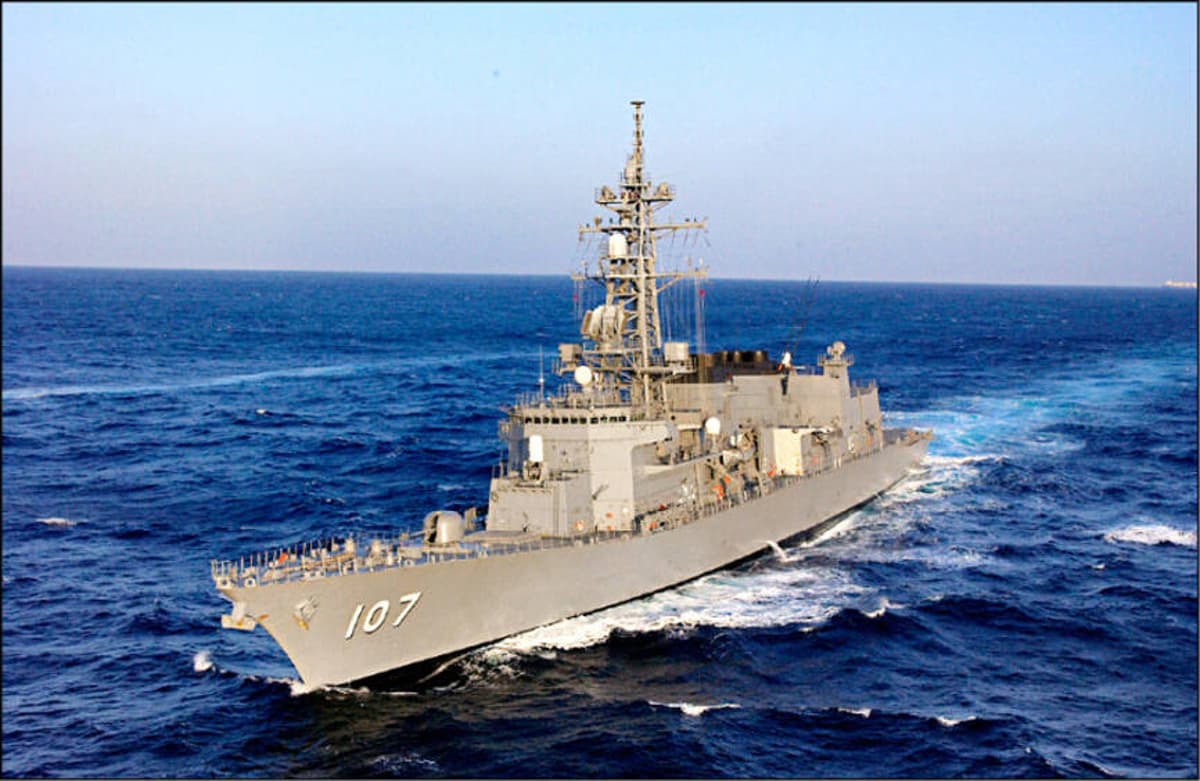
- •Ikazuchi transited Taiwan Strait, asserting freedom of navigation
- •1,400 Japanese personnel participated, first combat‑unit involvement
- •Type 88 missiles used in live‑fire ship‑sinking drill
- •Analysts say Japan now a central alliance actor, not observer
Pulse Analysis
The Balikatan joint exercises, traditionally a U.S.–Philippines drill, took on a new dimension this year as Japan fielded a sizable contingent of warships, aircraft and troops. By moving its Murasame‑class destroyer Ikazuchi through the contested Taiwan Strait and deploying the helicopter‑capable Ise, Tokyo sent a clear signal that the strait is an international water, not a Chinese internal sea. The inclusion of a Type 88 surface‑to‑ship missile in a live‑fire sinking exercise near the South China Sea further demonstrated Japan’s willingness to engage in high‑intensity, multi‑domain operations alongside its allies.
Strategically, Japan’s participation reinforces the First Island Chain concept, a defensive arc stretching from Japan through the Philippines to Taiwan. Analysts argue that the coordinated drills across air, land, sea and cyber domains enhance interoperability, allowing the three nations to conduct rapid joint responses to any regional flashpoint. The visible transit of Japanese vessels through the Taiwan Strait also serves as a deterrent, signaling that any attempt by Beijing to militarize the waterway would meet a unified, multilateral response. This shift from a passive observer to an active shaper of the Indo‑Pacific security order underscores Tokyo’s broader policy of sharing the burden of regional stability.
The move has ripple effects for the defense industry and future procurement. Joint exercises create demand for compatible platforms, such as the F‑35B‑capable Ise and advanced missile systems, encouraging deeper integration of U.S. and Japanese defense technology. Moreover, the expanded role may prompt Japan to accelerate development of longer‑range variants of its Type 12 missile, extending its strike envelope to 900 km. As allies deepen cooperation, policymakers will need to balance heightened deterrence with diplomatic efforts to avoid escalation, making Japan’s new centrality a pivotal factor in shaping the region’s security architecture.
Japan shifting to central role in alliances: experts
Comments
Want to join the conversation?
Loading comments...