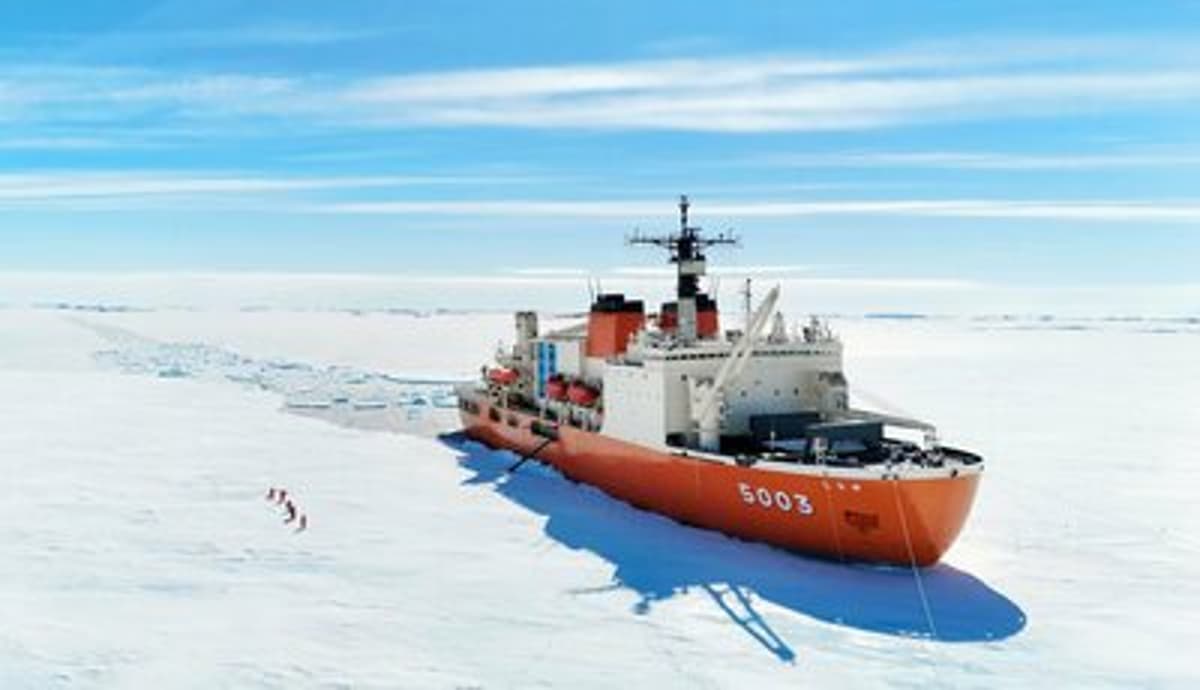
Japan to Withdraw MSDF From Antarctic Mission Amid Growing Security Demands
Why It Matters
Reallocating the icebreaker frees naval personnel for critical security missions and modernizes Japan’s Antarctic research logistics, enhancing scientific output while addressing defence staffing challenges.
Key Takeaways
- •MSDF will hand over Antarctic icebreaker to civilian agency by early 2030s
- •Crew size will shrink from 180 to about 30 for limited support
- •Shirase retirement set for 2034; successor vessel under design discussion
- •Manpower shortages and rising Chinese activity force defence resource reallocation
- •Civilian control expected to increase research flexibility and cut operational costs
Pulse Analysis
Japan has relied on its Maritime Self‑Defense Force to operate the icebreaker Shirase since the mid‑1960s, providing a reliable lifeline for scientists traveling between Tokyo and the remote Syowa Station. The vessel, crewed by roughly 180 sailors, transports personnel, cargo and research equipment across the Southern Ocean, a task that blends logistical expertise with naval discipline. As the current Shirase approaches the end of its service life, the government is planning a hand‑over to the Japan Agency for Marine‑Earth Science and Technology, marking the first civilian control of Japan’s Antarctic sealift.
The decision reflects mounting pressure on Japan’s defence forces. Increased Chinese naval activity around the East China Sea and broader Indo‑Pacific tensions have stretched the Self‑Defense Forces, while recruitment challenges mean the SDF workforce could fall from 220,000 today to about 180,000 by 2035. By scaling back the icebreaker crew to a 30‑person support team, the Ministry of Defense frees personnel for higher‑priority missions. Advances in satellite navigation and ice‑breaking technology also reduce the operational risk that once required a military crew, making civilian management feasible.
Civilian operation promises greater flexibility for scientific scheduling and potential cost savings, as research agencies can align voyages directly with project timelines rather than military availability. The upcoming replacement vessel, slated for launch in 2034, will likely be designed with modern autonomous navigation systems, further lowering the need for a large naval presence. This shift may also set a precedent for other nations evaluating the balance between defence commitments and scientific outreach, underscoring how demographic trends and regional security dynamics can reshape even the most remote research programs.
Japan to withdraw MSDF from Antarctic mission amid growing security demands
Comments
Want to join the conversation?
Loading comments...