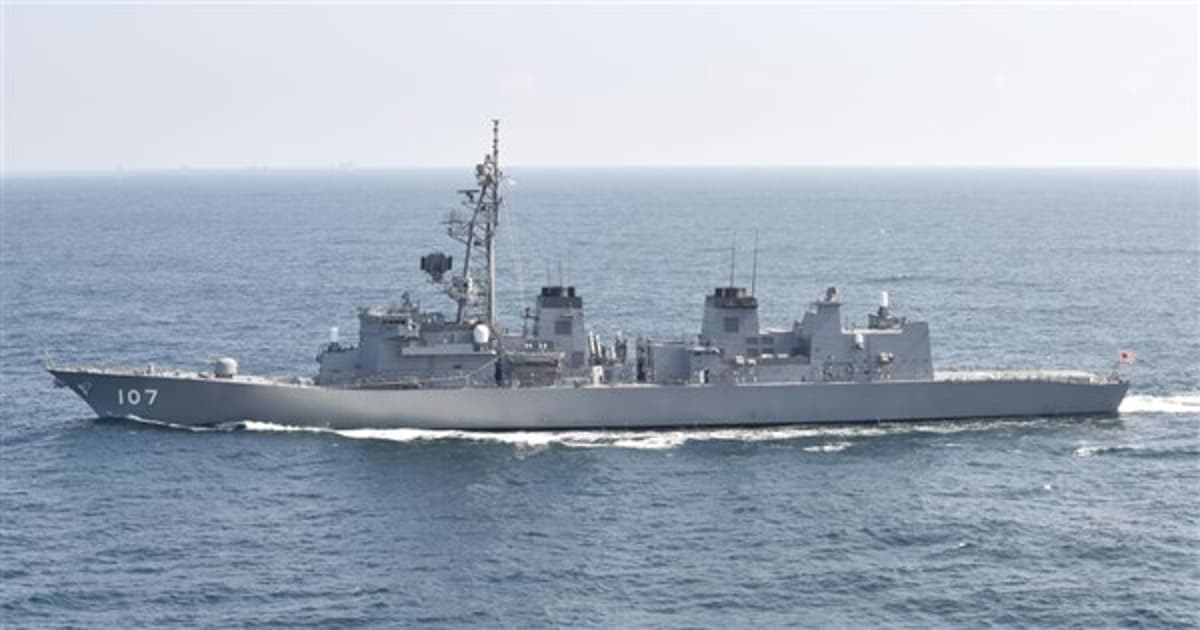
Japan Warship in Taiwan Strait Signals Free Passage Rights: Academic
Why It Matters
The passage underscores Japan’s willingness to assert navigation rights, heightening strategic competition in a flashpoint region and testing diplomatic channels between Tokyo, Beijing and allied partners.
Key Takeaways
- •JS Ikazuchi transited Taiwan Strait for nearly 14 hours
- •China dispatched naval and air assets to shadow the Japanese destroyer
- •Fourth Japanese warship passage, following 2024 joint transit with Australia, New Zealand
- •Academic says transit marks shift to multilateral freedom‑of‑navigation operations
- •PLA labeled its response as routine joint readiness patrols
Pulse Analysis
The Taiwan Strait remains one of the world’s most contested maritime corridors, and Japan’s decision to send the destroyer JS Ikazuchi through the waterway reaffirms its interpretation of the United Nations Convention on the Law of the Sea (UNCLOS) regarding innocent passage. By maintaining a continuous presence for nearly fourteen hours, the JMSDF demonstrated operational capability while sending a clear diplomatic signal that the strait is an international waterway, not subject to unilateral control. This action aligns Japan with a growing cohort of navies that view freedom of navigation as a cornerstone of regional stability.
China’s rapid deployment of naval and air units to shadow the Japanese vessel reflects Beijing’s heightened sensitivity to any perceived encroachment near its coastal perimeter. The People’s Liberation Army framed its response as a routine “joint readiness patrol,” yet the timing and public protest suggest a strategic calculus aimed at deterring further multilateral patrols. Tokyo’s move, coupled with earlier joint transits alongside Australia and New Zealand, indicates a shift from a U.S.-centric approach to a broader coalition of Indo‑Pacific partners willing to share the burden of upholding navigation norms.
The episode raises the stakes for diplomatic risk management. While the transit was peaceful, the close monitoring by Chinese forces creates a narrow margin for miscalculation, especially as both sides conduct regular exercises nearby. Analysts warn that repeated multilateral passages could compel Beijing to adopt more assertive postures, potentially prompting reciprocal actions from Japan and its allies. Continued engagement through confidence‑building measures and clear communication channels will be essential to prevent escalation and preserve the strait’s status as a conduit for global trade.
Japan warship in Taiwan Strait signals free passage rights: Academic
Comments
Want to join the conversation?
Loading comments...