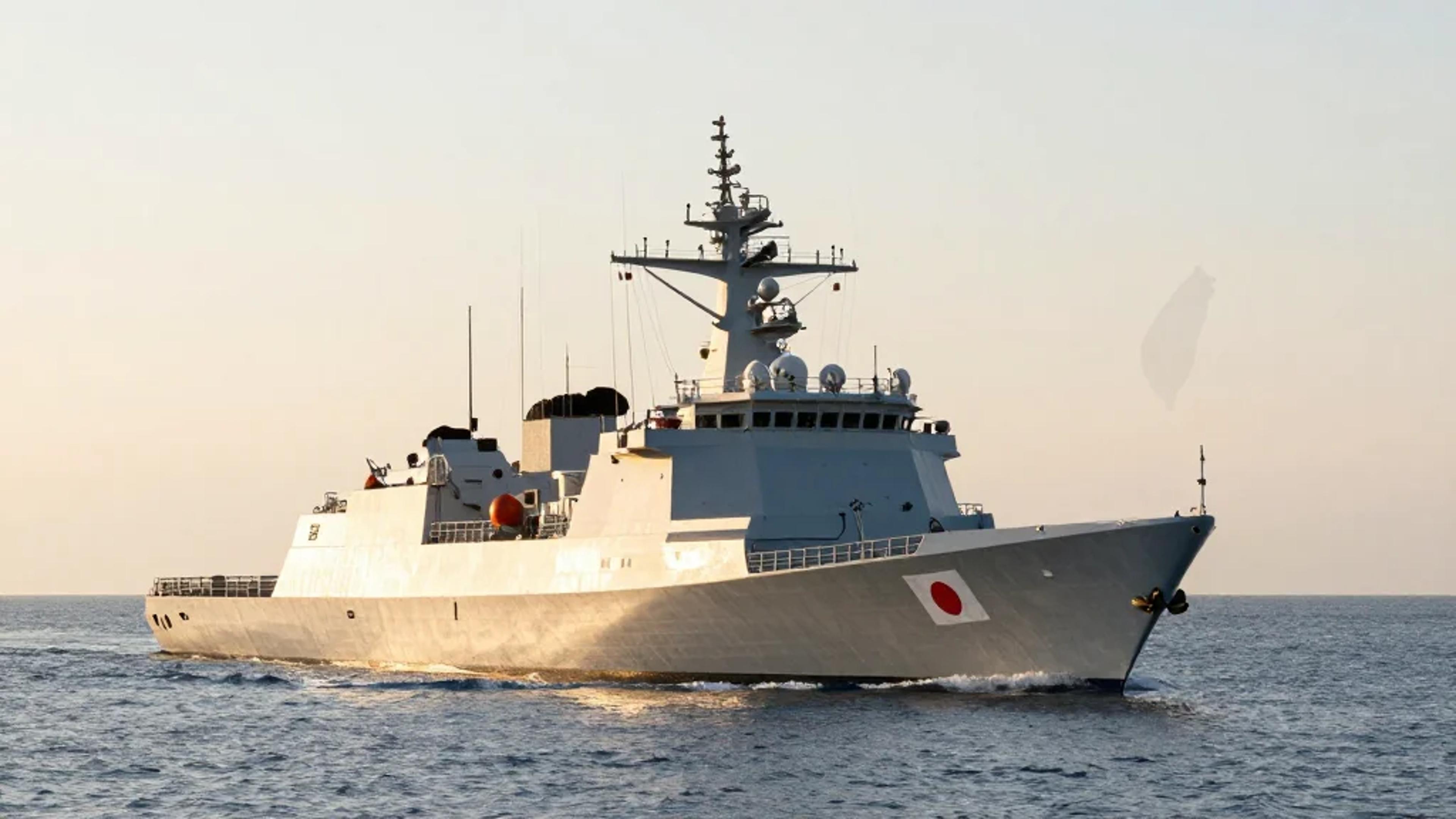
Japan's New Supermajority Mandate To Defend Taiwan
•February 11, 2026
0
Why It Matters
Japan’s commitment to Taiwan escalates its strategic role in Indo‑Pacific security, directly challenging Beijing’s expansionist agenda. The move will likely reshape regional power dynamics and influence global supply‑chain stability.
Key Takeaways
- •Takaichi secured two‑thirds parliamentary majority
- •New government pledges to defend Taiwan militarily
- •Policy aligns Japan more closely with US security strategy
- •Raises risk of escalation with China in East Asia
- •May trigger higher defense budget and force modernization
Pulse Analysis
Japan’s February 2026 election delivered an unprecedented two‑thirds legislative supermajority to Prime Minister Sanae Takaichi, a political figure known for her hawkish views on China. Historically, Japan has balanced its post‑World War II pacifist constitution with a modest security posture, relying heavily on the US‑Japan alliance for deterrence. Takaichi’s mandate, however, signals a willingness to reinterpret constitutional constraints, positioning Japan as an active defender of democratic partners, notably Taiwan, in the face of Beijing’s assertiveness.
The policy shift carries profound implications for regional security architecture. By explicitly committing to Taiwan’s defense, Tokyo is likely to deepen joint operational planning with Washington, expand its Self‑Defense Forces’ expeditionary capabilities, and accelerate acquisition of advanced missile‑defence systems. This alignment may also prompt other allies, such as Australia and South Korea, to reconsider their own deterrence postures, potentially leading to a coordinated Indo‑Pacific security framework. At the same time, the stance raises the specter of miscalculation, as China could respond with heightened naval activity around the Senkaku/Diaoyu islands and increased cyber‑espionage targeting Japanese critical infrastructure.
Economically, the heightened geopolitical tension could reverberate through global supply chains, especially in semiconductor manufacturing where Taiwan plays a pivotal role. Investors may price in higher risk premiums for Japanese equities, while defense contractors could see a surge in orders, boosting domestic industrial output. Diplomatically, Tokyo must balance its assertiveness with the need to maintain stable trade relations with China, its largest export market. The coming months will test Japan’s ability to navigate this tightrope, shaping not only its own security future but also the broader stability of the Asia‑Pacific region.
Japan's New Supermajority Mandate To Defend Taiwan
Ted Galen Carpenter, National Security Journal · February 10, 2026 · Prime Minister Sanae Takaichi’s landslide victory in the February 2026 elections has granted her a powerful two‑thirds majority, cementing a hardline Japanese stance against Chinese expansionism.
Japan’s New Supermajority Mandate To Defend Taiwan
Ted Galen Carpenter, National Security Journal
February 10, 2026
Prime Minister Sanae Takaichi’s landslide victory in the February 2026 elections has granted her a powerful two‑thirds majority, cementing a hardline Japanese stance against Chinese expansionism.
0
Comments
Want to join the conversation?
Loading comments...