JLR and General Motors Eye £900m Contract to Build New Range of Military Trucks
Companies Mentioned

Why It Matters
The deal would diversify revenue for two major carmakers amid the EV transition and lock in long‑term government business as defence budgets surge across NATO nations.
Key Takeaways
- •JLR and GM target £900 m ($1.1 bn) UK defence contract.
- •Contract aims to replace 7,800 aging Land Rover and Pinzgauer vehicles.
- •First deliveries slated for 2030, with 3,000 trucks initially.
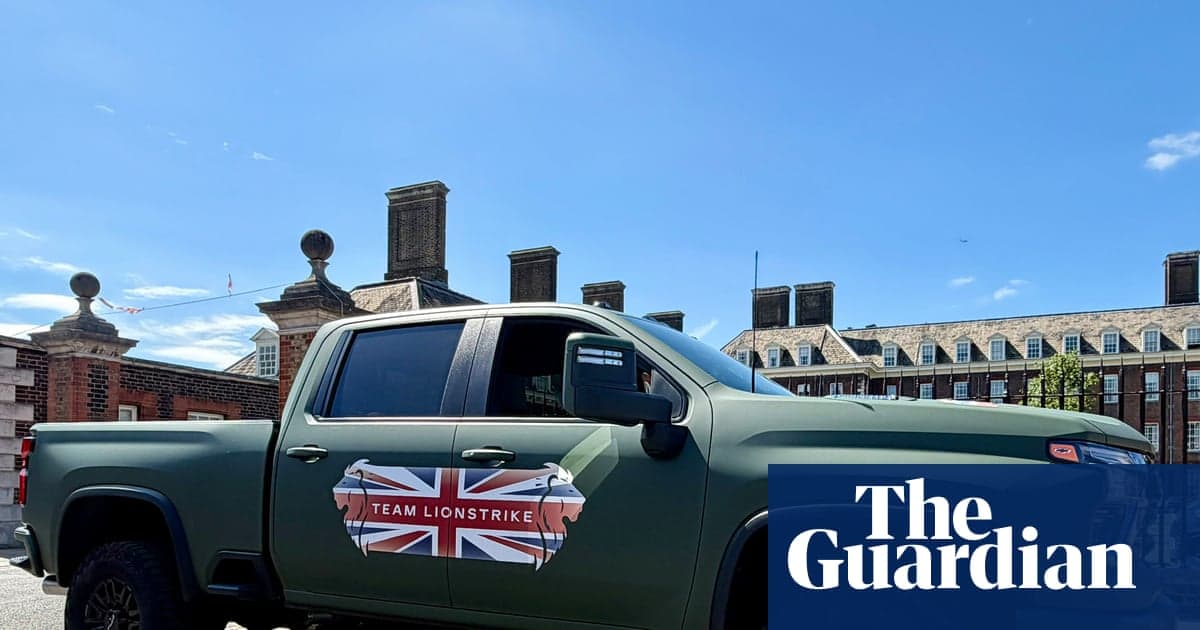
- •GM will ship US‑built Chevrolet trucks for UK modifications.
- •NATO defence spending rose 14% to $864 bn, spurring automotive bids.
Pulse Analysis
The rapid escalation of NATO defence spending—up 14% to $864 billion last year—has turned traditional automotive manufacturers into serious defence contenders. As governments scramble to modernise ageing fleets, the UK’s £900 million contract to replace 7,800 legacy 4x4s offers a lucrative, multi‑year revenue stream. For JLR, the project revives its historic link to military logistics while providing a hedge against the profit pressures of the electric‑vehicle transition and intense competition from Chinese rivals. GM, meanwhile, sees an opportunity to re‑establish its World War II‑era partnership with the British armed forces, leveraging its Chevrolet platform and a consortium that includes BAE Systems and NP Aerospace.
JLR’s involvement hinges on its Defender lineage and engineering capabilities, even though its current Defender production sits in Slovakia. By promising UK‑designed and engineered vehicles, JLR aims to satisfy the Ministry of Defence’s demand for domestic content, a key political criterion. GM’s strategy differs: it will export US‑built trucks for final outfitting in Britain, emphasizing a “concerted effort” to maximise British components. Both approaches reflect a broader industry trend of repurposing civilian platforms for military use, a tactic already seen at Volkswagen and Renault, which are converting car plants to produce heavy‑duty trucks and drones respectively.
If awarded, the contract could reshape the UK defence supply chain, encouraging deeper collaboration between automotive OEMs and traditional defence contractors. The influx of private‑sector expertise may accelerate the adoption of advanced technologies such as hybrid powertrains and autonomous navigation in military logistics. Moreover, success could spur additional bids from rivals like Ineos, Babcock and Rheinmetall, intensifying competition and potentially driving down costs for the MoD. For the automotive world, securing defence work offers a stable, high‑margin revenue source that can offset the volatility of consumer markets during the ongoing electrification shift.
JLR and General Motors eye £900m contract to build new range of military trucks
Comments
Want to join the conversation?
Loading comments...