Why It Matters
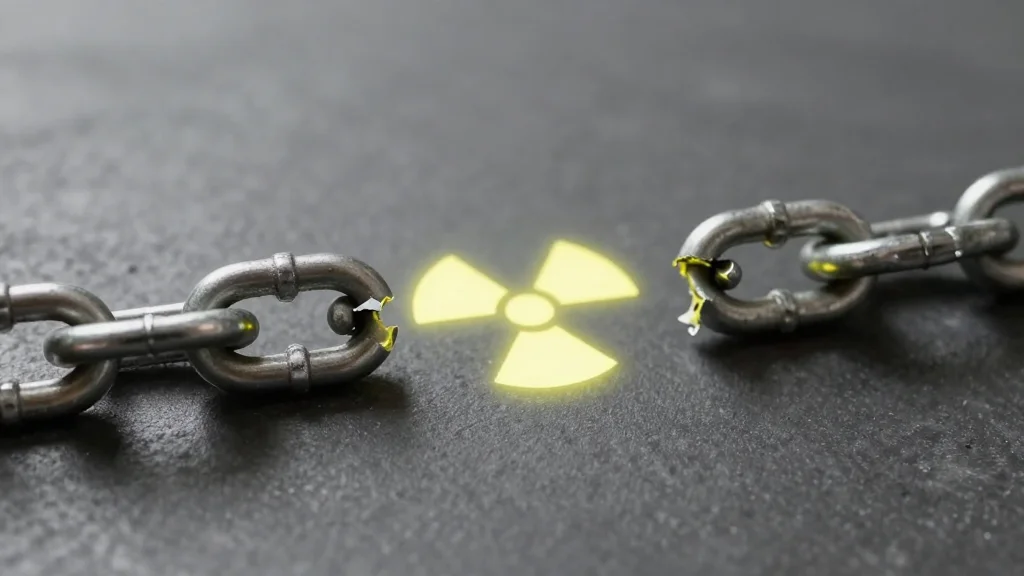
Erosion of the NPT could destabilize strategic balances, increase proliferation risk, and reshape defense‑industry investment priorities worldwide.
Key Takeaways
- •U.S., Russia, China delay NPT review conference until 2028
- •Iran's nuclear advancements strain treaty credibility
- •Emerging tech like hypersonic weapons bypass existing NPT safeguards
- •Non‑NPT states push for a new universal disarmament framework
Pulse Analysis
The Nuclear Non‑Proliferation Treaty, signed in 1968, has long been the cornerstone of global efforts to prevent the spread of nuclear weapons. Its three‑pillar structure—non‑proliferation, disarmament, and peaceful use of nuclear energy—has endured Cold War tensions and regional crises. Yet the treaty’s built‑in review process, slated for 2028, faces a deadlock as the United States, Russia and China cite geopolitical disputes and verification concerns, effectively postponing a critical forum for consensus building.
Compounding the procedural stalemate are substantive challenges. Iran’s recent enrichment activities, now approaching weapons‑grade levels, have reignited doubts about the treaty’s enforcement mechanisms. Simultaneously, breakthroughs in hypersonic glide vehicles and AI‑driven command systems fall outside the NPT’s traditional inspection regimes, creating regulatory blind spots. These technological gaps empower states to advance strategic capabilities without triggering treaty‑based scrutiny, undermining the credibility of the non‑proliferation regime.
For businesses and investors, the weakening of the NPT signals heightened geopolitical risk and potential market volatility in the defense and energy sectors. Companies tied to nuclear fuel cycles, missile defense, and emerging hypersonic technologies must reassess compliance strategies and supply‑chain exposures. Moreover, policymakers may introduce new export‑control frameworks or multilateral agreements to fill the regulatory void, presenting both compliance challenges and opportunities for firms that can navigate an evolving security landscape.
June 2026 Focus
Comments
Want to join the conversation?
Loading comments...