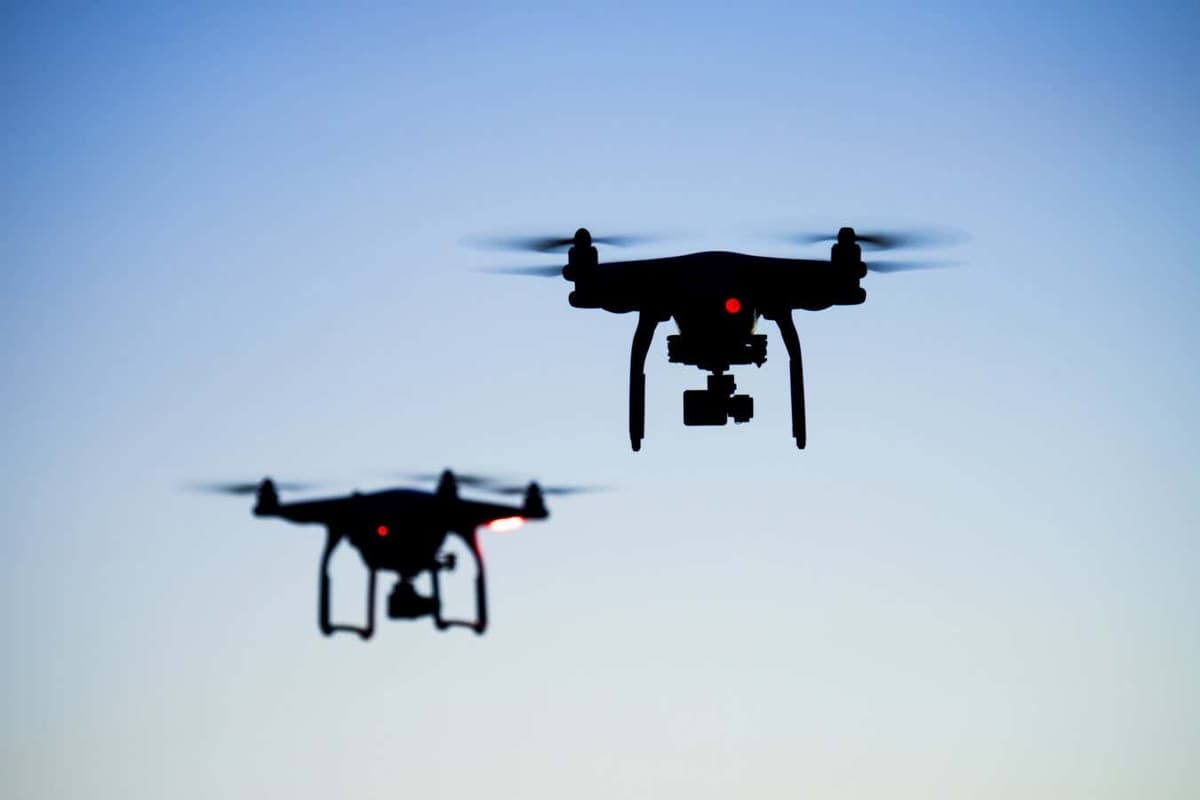
Killer Robots Are Here – We Must Finally Decide Whether to Accept Them
Why It Matters
Unregulated autonomous weapons threaten civilian safety and erode accountability, reshaping global security dynamics. A timely ban or strict controls could prevent an arms race and preserve humanitarian norms.
Key Takeaways
- •Autonomous weapons have already killed soldiers without human oversight
- •UN talks stalled by vetoes from India, Israel, Russia, US
- •Existing CCW framework could ban fully autonomous weapons quickly
- •Cheap parts and open-source code enable DIY lethal drones
- •Ethical concerns include loss of combatant dignity and accountability
Pulse Analysis
The emergence of fully autonomous weapons marks a turning point in modern conflict. Recent test exercises have demonstrated drones capable of selecting and engaging targets without any human in the loop, confirming rumors that AI‑driven lethality is no longer theoretical. The technology builds on decades of advances in computer vision, swarm algorithms, and low‑cost micro‑electronics, making it accessible to state actors and, increasingly, non‑state groups. As the war in Ukraine has shown, autonomous systems can shape battlefield dynamics faster than traditional command structures, prompting urgent strategic reassessment.
International law already contains a mechanism to curb such weapons through the Convention on Certain Conventional Weapons (CCW). Adding fully autonomous systems to the list of prohibited arms would follow precedents set by bans on cluster munitions and blinding lasers. However, diplomatic progress has stalled; India, Israel, Russia and the United States have repeatedly vetoed resolutions aimed at regulating lethal autonomy. Human Rights Watch and other NGOs argue that the vetoes reflect a strategic calculus that prioritizes national advantage over humanitarian norms, leaving a regulatory vacuum that accelerates proliferation.
The commercial implications are equally profound. Defense contractors are already integrating AI decision‑making modules into unmanned platforms, while civilian drone manufacturers face pressure to embed “human‑on‑the‑loop” safeguards. Meanwhile, the open‑source community’s contribution of navigation and targeting code lowers entry barriers for rogue actors, prompting calls for export controls on dual‑use components. Policymakers must balance innovation incentives with the moral imperative to retain human accountability for lethal force. A decisive, globally coordinated ban—or at minimum strict usage protocols—could shape the next decade of warfare and preserve international security norms.
Killer robots are here – we must finally decide whether to accept them
Comments
Want to join the conversation?
Loading comments...