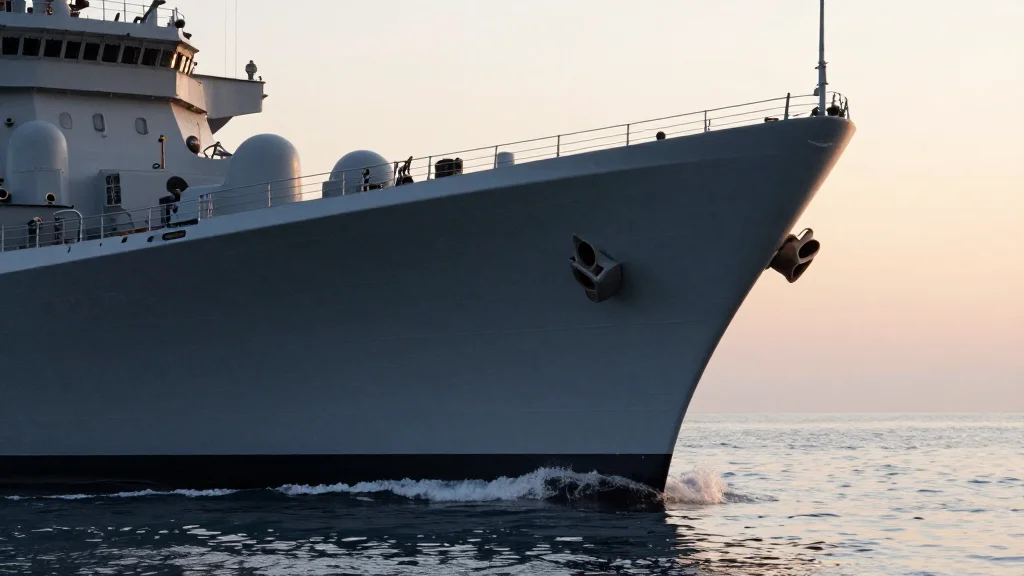
Kim Jong Un Rolls Out Restored Destroyer as Xi Jinping’s Visit Looms, Signaling Naval Modernization

Why It Matters
The naval expansion signals a shift in North Korea’s defense posture from a primarily land‑based missile threat to a more balanced sea‑and‑air capability. A larger, modern destroyer fleet would give Pyongyang the ability to contest maritime traffic in the Yellow Sea, threaten South Korean and Japanese naval assets, and complicate U.S. freedom‑of‑navigation operations. Coupled with the accelerated uranium‑enrichment program, the moves raise the stakes for regional security dialogues. If China’s President Xi offers any concessions, they could embolden Pyongyang to further invest in high‑cost platforms, potentially sparking an arms race in the Indo‑Pacific. Conversely, a hard‑line U.S. response could tighten sanctions and increase the risk of miscalculation during future missile or naval exercises.
Key Takeaways
- •Kim Jong Un inspected the repaired 5,000‑ton destroyer Kang Kon on June 6, 2026.
- •He announced plans for 10,000‑ton‑class destroyers, expanding the navy’s strike reach.
- •The visit coincides with a newly unveiled uranium‑enrichment plant, likely a fourth site at Yongbyon.
- •U.S. Assistant Secretary of Defense Robert Kadlec warned the growing nuclear forces pose a clear danger.
- •Analysts view the timing as strategic signaling ahead of Chinese President Xi Jinping’s state visit.
Pulse Analysis
North Korea’s recent naval and nuclear displays fit a pattern of leveraging high‑visibility milestones to extract diplomatic leverage. Historically, Pyongyang has used missile tests or nuclear proclamations to force concessions, from the 1994 Agreed Framework to the 2018‑19 summits with Donald Trump. The current strategy differs in its emphasis on conventional sea power, suggesting Kim seeks a broader deterrent that can threaten regional shipping lanes and naval bases, not just land‑based targets.
The timing with Xi’s visit is particularly salient. Beijing has long been North Korea’s principal patron, yet recent U.S.–China competition over the Indo‑Pacific has left Pyongyang vulnerable to shifting alliances. By showcasing a modern destroyer and a new enrichment facility, Kim is signaling that any future Chinese security guarantees must account for a more capable North Korean navy. This could push Beijing to offer economic aid or diplomatic cover, but it also risks entangling China deeper in a volatile security environment.
For the United States and its allies, the dual development trajectory complicates existing deterrence calculations. A larger navy expands Pyongyang’s options for asymmetric maritime aggression, while the enriched uranium capacity shortens the timeline for producing additional warheads. Policymakers may need to recalibrate sanctions, increase maritime surveillance, and consider new diplomatic overtures that address both nuclear and conventional threats simultaneously. The coming weeks, especially the outcome of Xi’s visit, will likely set the tone for the next phase of East Asian security dynamics.
Kim Jong Un Rolls Out Restored Destroyer as Xi Jinping’s Visit Looms, Signaling Naval Modernization
Comments
Want to join the conversation?
Loading comments...