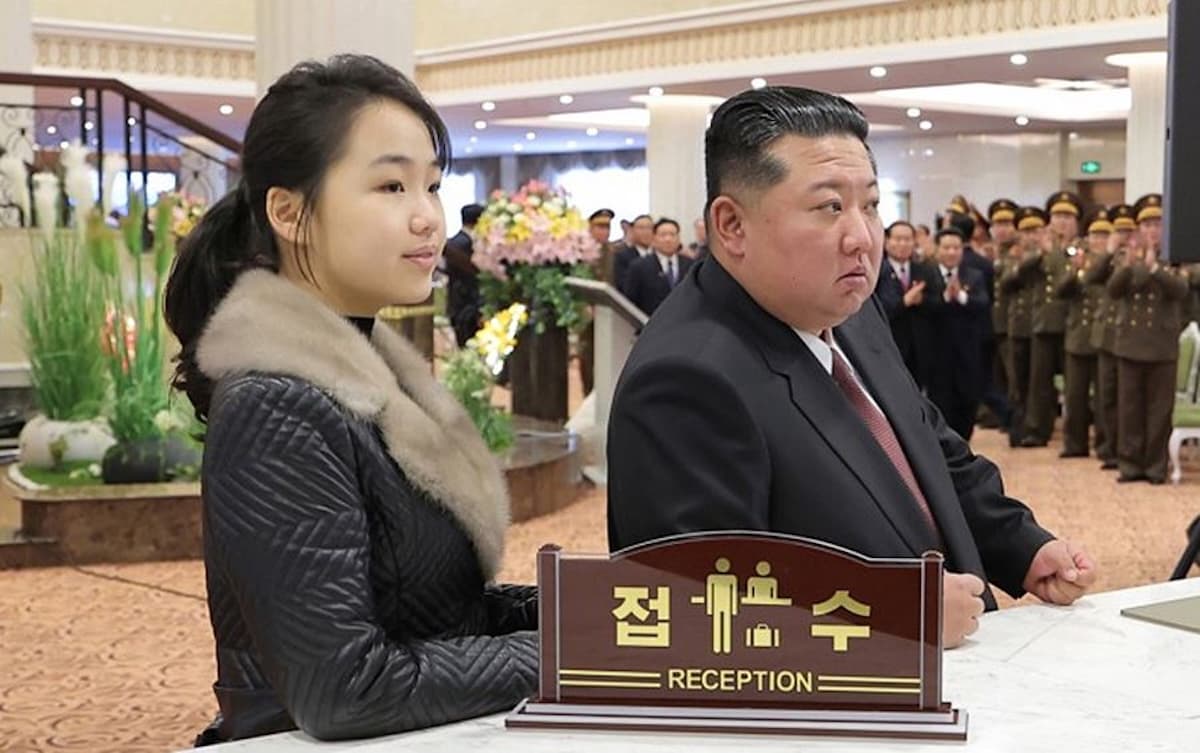
Kim’s Daughter Is a Princess – but Not Necessarily Crown Princess
•February 28, 2026
0
Why It Matters
A clear succession plan—or lack thereof—shapes diplomatic leverage, sanctions strategy, and regional security calculations for the United States, South Korea, and neighboring powers.
Key Takeaways
- •NIS assesses Kim's 13‑year‑old daughter as potential heir.
- •Daughter appeared publicly in matching jackets at Workers’ Party Congress.
- •Analysts warn a secret son could be groomed behind scenes.
- •Female succession rare but used for propaganda in North Korea.
- •Succession uncertainty impacts diplomatic negotiations and regional stability.
Pulse Analysis
The NIS assessment marks a rare instance of South Korean intelligence publicly naming a specific individual as North Korea’s next leader. While the agency’s track record on internal regime dynamics is mixed, its confidence stems from observable propaganda moves—most notably the daughter’s joint appearance with Kim Jong Un at the Workers’ Party Congress. Such visual cues are traditionally used by the regime to test public reaction and signal continuity, suggesting that the leadership is at least entertaining the idea of a female successor, even if only as a placeholder.
North Korea’s dynastic history offers a nuanced backdrop. Kim Jong Il famously promoted his daughter Sol Song, showcasing her in military attire and public tours, yet ultimately passed power to his youngest son. This pattern of elevating female relatives serves dual purposes: reinforcing the cult of personality and providing a softer, more relatable image for domestic audiences. The current emphasis on Kim Jong Un’s daughter mirrors that strategy, leveraging her youth and perceived innocence to humanize the regime while keeping the core power structure intact.
The succession ambiguity carries significant geopolitical weight. U.S. and South Korean policymakers rely on predictable leadership to calibrate sanctions, negotiate denuclearization talks, and manage military posturing. If a hidden male heir is being groomed, the regime may be preparing a more traditional, hard‑line successor, complicating diplomatic overtures. Conversely, a visible female heir could signal a shift toward a more image‑focused leadership, potentially opening new channels for engagement but also raising concerns about internal power struggles that could destabilize the peninsula.
Kim’s daughter is a princess – but not necessarily crown princess
0
Comments
Want to join the conversation?
Loading comments...