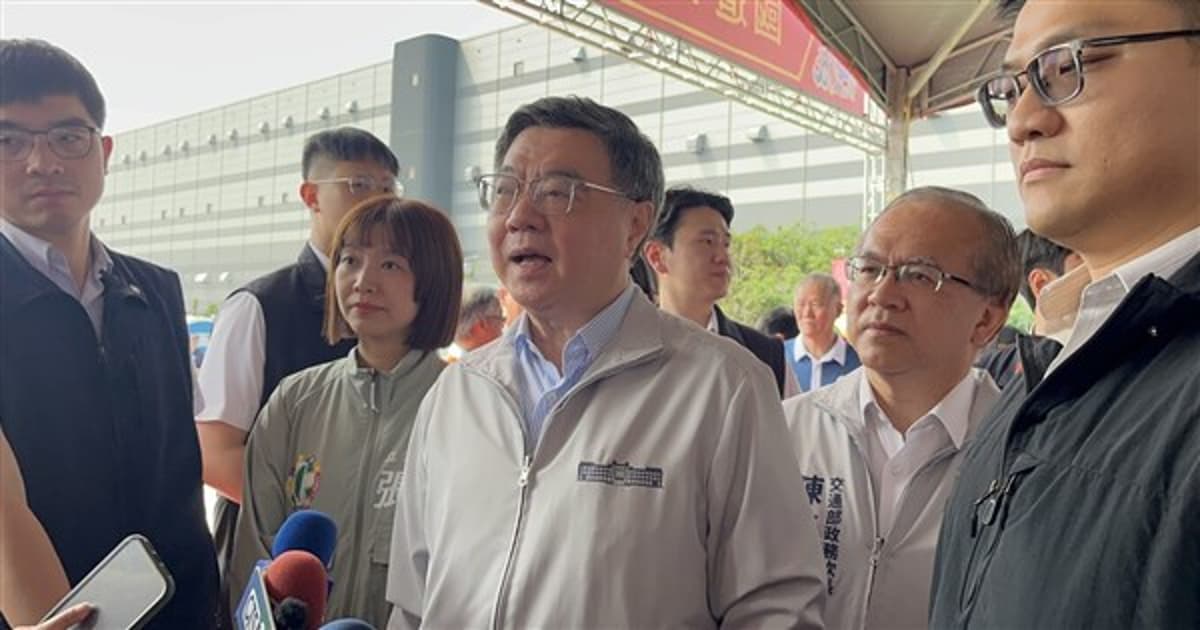
KMT Chair's Taiwan Strait Remark 'Playing with Fire': Premier Cho
Why It Matters
The clash highlights deep partisan divides over Taiwan’s approach to China, shaping policy and regional stability. It signals how rhetoric can influence cross‑strait tensions and international perceptions of Taiwan’s sovereignty.
Key Takeaways
- •Cho labels KMT chair's China‑talk as 'playing with fire'
- •KMT defends Cheng, accuses DPP of smearing opposition
- •Cheng met Xi, urged closer Taiwan‑China ties, avoiding conflict
- •Cho warns peace without strength invites aggression, cites Hong Kong, Tibet
- •KMT proposes cross‑strait peace framework, DPP calls it naive
Pulse Analysis
The latest verbal sparring between Premier Cho Jung‑tai and KMT chair Cheng Li‑wun underscores Taiwan’s fraught domestic politics surrounding cross‑strait policy. Cheng’s meeting with President Xi in Beijing, where she advocated for reduced tensions and closer economic ties, was framed by Cho as an "erroneous" concession that could embolden Beijing’s reunification agenda. By invoking the phrase "playing with fire," Cho not only attacks the opposition’s diplomatic posture but also reinforces the DPP’s narrative that Taiwan must maintain a robust defensive posture to safeguard its democratic institutions.
Beyond the partisan feud, the episode reflects broader strategic calculations in the Indo‑Pacific. Taiwan’s status as a de‑facto democracy on a critical maritime corridor makes any shift toward accommodation with China a potential flashpoint for regional powers, notably the United States and Japan, who monitor Taiwan’s security closely. Cho’s emphasis on “peace backed by strength” echoes longstanding DPP doctrine that deterrence, rather than appeasement, is essential to prevent escalation. Meanwhile, the KMT’s proposal for an institutionalized peace framework signals a desire to normalize relations, yet it risks being perceived as soft‑power overtures that could weaken Taiwan’s bargaining position.
The public exchange also serves as a barometer for electoral sentiment ahead of upcoming local elections. Voters are likely to weigh the perceived risks of Cheng’s China‑leaning statements against Cho’s hard‑line stance on sovereignty. As both parties vie for legitimacy, the rhetoric may translate into concrete policy moves—ranging from defense spending adjustments to diplomatic outreach initiatives. Ultimately, how Taiwan navigates this internal discord will influence its ability to manage external pressure from Beijing while preserving its democratic identity and strategic relevance in the region.
KMT chair's Taiwan Strait remark 'playing with fire': Premier Cho
Comments
Want to join the conversation?
Loading comments...