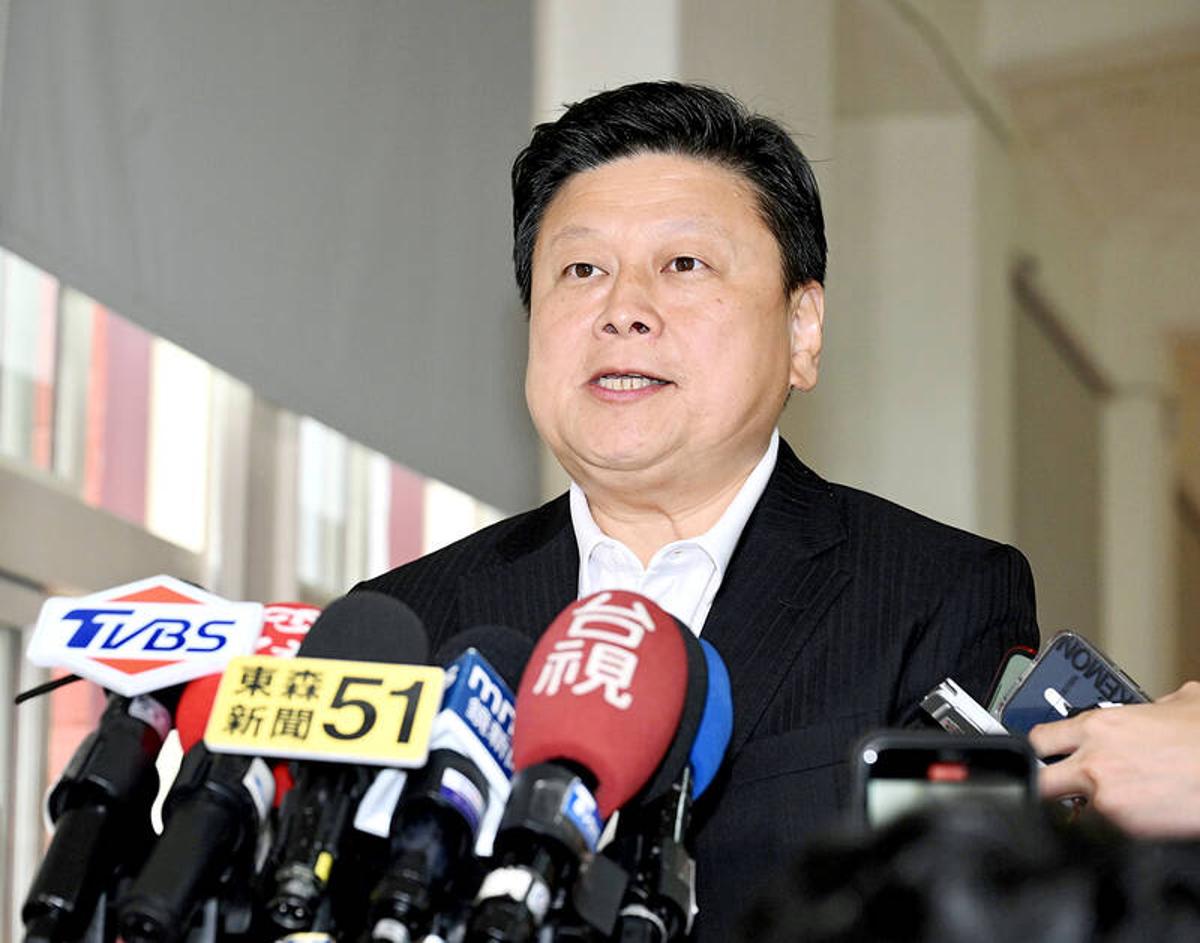
KMT Fails to Find Consensus on Its Defense Proposal
Why It Matters
A fragmented KMT stance threatens Taiwan’s ability to quickly modernize its armed forces, while political gridlock could undermine confidence from the United States and affect regional security dynamics.
Key Takeaways
- •KMT split between NT$800 bn and NT$380 bn plus N defense bills
- •KMT whip cites need for US offer letter and timely weapons
- •DPP warns bill delay could erode Taiwan‑US trust and regional stability
- •Special budget aims to expedite procurement amid eight‑year DPP proposal
- •KMT argues funds could be drawn from annual budgets, not urgent appropriation
Pulse Analysis
Taiwan’s defense budgeting has become a flashpoint in its domestic politics, as the KMT grapples with two competing proposals: a NT$800 billion (approximately US$25.3 billion) special appropriation and a more modest NT$380 billion "plus N" plan. The former mirrors the DPP’s broader NT$1.25 trillion (about US$39.5 billion) eight‑year framework, but the KMT argues that an urgent, single‑year package would better address the immediate need for frontline weaponry and tighter financial oversight. The core of the dispute is not the sum itself but the mechanism for securing a U.S. letter of offer and ensuring rapid delivery of critical systems.
The timing of the legislative deadlock is especially sensitive, coming just before a high‑profile summit between U.S. President Donald Trump and Chinese President Xi Jinping. DPP legislators warn that any postponement of the defense bill could be perceived by Washington as a lack of commitment from Taipei, potentially slowing future arms sales and security cooperation. In a region where Beijing’s military posture is increasingly assertive, delays could also embolden Chinese expectations that Taiwan will acquiesce to a slower modernization pace, raising the risk of miscalculation.
For investors and analysts, the stalemate signals heightened political risk for companies tied to Taiwan’s defense supply chain and for broader market participants monitoring cross‑strait stability. A swift resolution would likely boost confidence in continued U.S. defense support, reinforcing Taiwan’s strategic position and sustaining demand for advanced weaponry. Conversely, prolonged gridlock could trigger a reassessment of regional risk premiums, affecting equities linked to defense contractors, semiconductor manufacturers, and other sectors dependent on Taiwan’s security environment.
KMT fails to find consensus on its defense proposal
Comments
Want to join the conversation?
Loading comments...