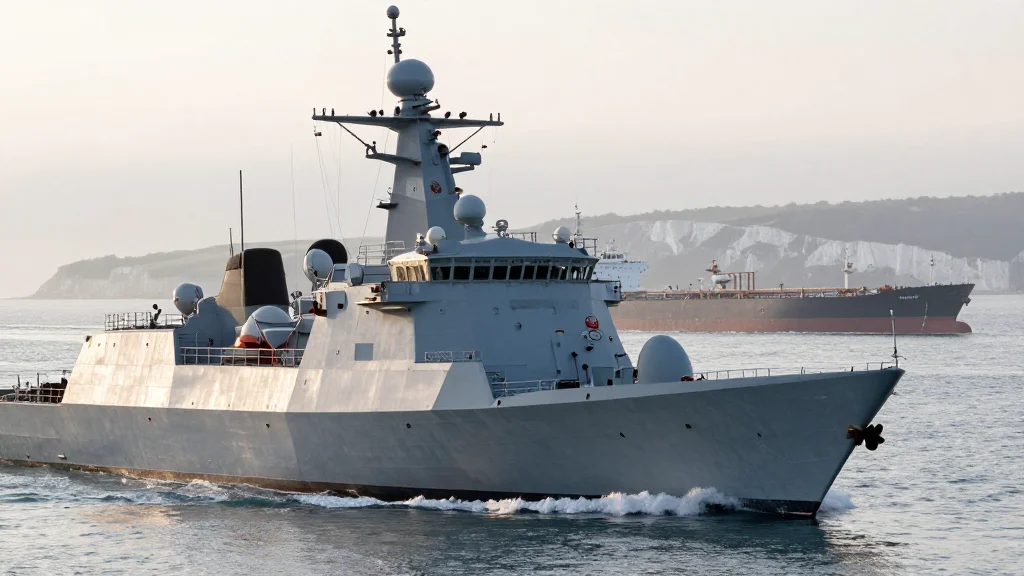
Kremlin Says Russia Has Right to Defend Itself From ‘Piracy’ After Report of Warship Escort Near UK
Why It Matters
The incident underscores a sharp escalation in maritime security disputes, threatening the enforcement of sanctions and potentially disrupting global oil supply chains. It signals a broader risk of confrontations between Russia and NATO‑aligned states in critical shipping lanes.
Key Takeaways
- •Russian frigate escorted sanctioned tankers Universal and Enigma through English Channel
- •Kremlin labels UK actions as piracy, asserting right to self‑defence
- •UK PM authorized boarding of Russian ships but no detentions yet
- •Escalating maritime tension threatens oil flow and sanctions compliance
Pulse Analysis
The recent escort of two sanctioned tankers by a Russian frigate through the English Channel revives a familiar flashpoint in the post‑Ukraine war era: the clash between Russia’s need for oil revenue and Western attempts to choke that lifeline. Since the invasion, the United Kingdom and its allies have imposed strict export bans and secondary sanctions targeting vessels that transport Russian crude. By moving the Universal and Enigma—both flagged under Russia and Cameroon—through one of the world’s busiest waterways, Moscow signals its willingness to challenge enforcement mechanisms and test the resolve of NATO members.
Moscow’s framing of the UK’s proposed boarding actions as "piracy" taps into a legal narrative that seeks to legitise defensive measures under international law. While piracy traditionally refers to non‑state actors, the Kremlin argues that state‑sanctioned interdictions against its commercial fleet constitute unlawful aggression. This rhetoric may be aimed at deterring further boarding operations and rallying domestic support. However, legal scholars note that the United Nations Convention on the Law of the Sea provides for the right of coastal states to enforce sanctions in their territorial waters, making the UK’s stance defensible under existing frameworks.
For markets and policymakers, the episode raises immediate concerns about oil flow reliability and price volatility. Any disruption in the English Channel—a critical conduit for European energy—could tighten supply and push Brent crude higher, especially as global demand rebounds post‑pandemic. Moreover, the incident may prompt allied navies to increase patrols, raising operational costs and the risk of inadvertent confrontations. Stakeholders should monitor diplomatic channels for de‑escalation efforts while preparing contingency plans for potential rerouting of Russian oil shipments.
Kremlin Says Russia Has Right to Defend Itself From ‘Piracy’ After Report of Warship Escort Near UK
Comments
Want to join the conversation?
Loading comments...