Kuwait Turns To Anduril For $2 Billion Counter-Drone Shield After Horrifying Airport Attack
Key Takeaways
- •Kuwait approves $2 bn Anduril counter‑drone deal after airport attack
- •Roadrunner and Anvil systems provide autonomous kinetic and electronic drone interception
- •Package includes mobile sentry towers, electromagnetic warfare, and training services
- •Enhances Kuwait’s lower‑altitude defense, reducing reliance on costly Patriot interceptors
Pulse Analysis
The June 2026 attack on Kuwait International Airport highlighted a growing vulnerability across the Gulf: cheap, expendable Shahed‑type drones can bypass traditional air‑defense radars and strike civilian hubs with minimal warning. While legacy systems such as Patriot batteries excel at high‑altitude, high‑speed threats, they are ill‑suited for low‑observable, low‑altitude platforms that swarm or conduct one‑way kinetic attacks. Kuwait’s decision to pursue a dedicated counter‑UAS suite reflects a broader shift toward multi‑layered protection that blends electronic disruption with kinetic interception, a model increasingly favored by nations facing asymmetric aerial threats.
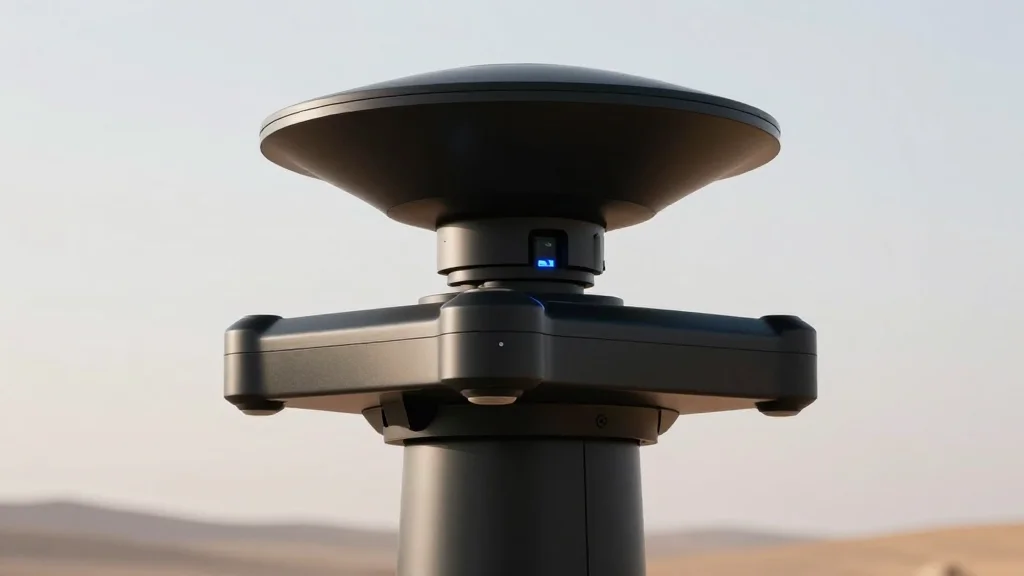
Anduril’s offering combines its Roadrunner‑Munition autonomous VTOL drones, which can engage non‑threatening targets and return for rapid redeployment, with the Anvil‑Kinetic system that delivers precision fire against hostile UAVs. Complementary assets—Long‑Range Sentry Towers, mobile maritime variants, and pulsar electromagnetic warfare units—create a networked shield capable of detecting, tracking, and neutralizing drones from the ground up to several kilometers away. The inclusion of extensive training, software development, and logistics support ensures that Kuwait’s military police can integrate these tools quickly, turning a reactive response into a proactive deterrent.
The deal signals a burgeoning market for counter‑drone technologies, as governments worldwide recognize that future conflicts will feature dense swarms and low‑cost attack drones. By securing a $1.98 bn sale, the United States not only strengthens a key Gulf ally but also validates Anduril’s commercial‑military hybrid approach, which leverages AI‑driven autonomy at scale. Competitors in the defense sector will likely accelerate their own UAS‑defeat programs, driving innovation in sensor fusion, directed‑energy weapons, and autonomous engagement algorithms. For investors and policymakers, the Kuwait contract underscores the strategic importance of next‑generation air‑space security solutions in an era where the sky is increasingly contested by inexpensive, proliferated drones.
Kuwait Turns To Anduril For $2 Billion Counter-Drone Shield After Horrifying Airport Attack
Comments
Want to join the conversation?