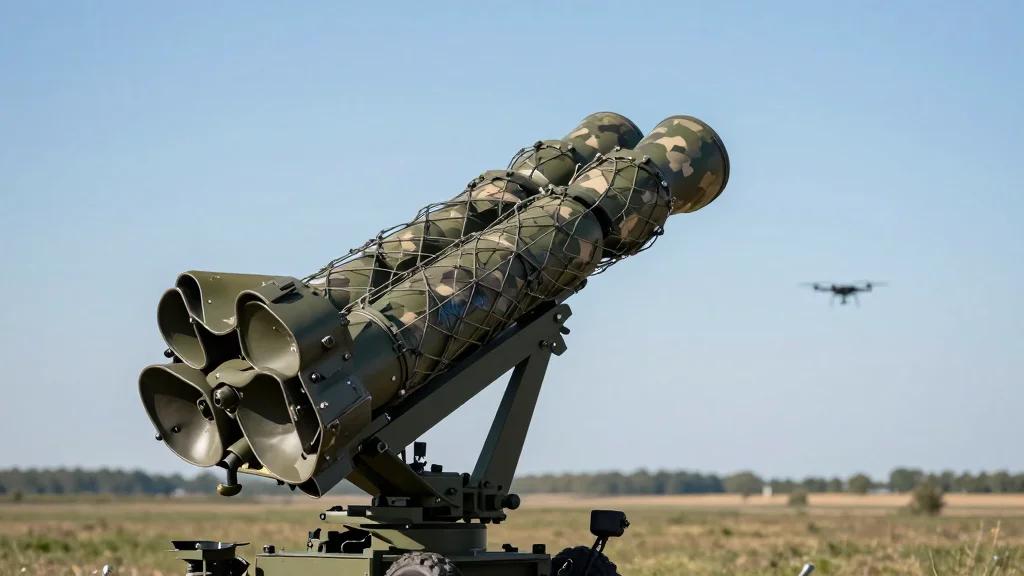
Kyiv’s Expat Business Community Begins New Air Defence Role
Why It Matters
By mobilising foreign residents and private firms, Ukraine can quickly augment critical air‑defence capacity while preserving combat units for frontline operations, strengthening its resilience against Russia’s drone barrage.
Key Takeaways
- •Expat volunteers augment Kyiv's air‑defence under TDF and National Guard.
- •Initiative started summer 2025, recruiting residents with 5‑year permits.
- •Volunteers train on‑site, serve part‑time, unpaid, boosting existing units.
- •Private air‑defence groups operate in Kharkiv, integrated into command network.
- •Goal: scale capability without straining frontline combat forces.
Pulse Analysis
Ukraine’s air‑defence has long been a bottleneck in its broader war strategy, relying heavily on Western shipments of missiles and radar. As Russian drone attacks grow more sophisticated, Kyiv faces a pressing need to fill gaps in coverage, especially over densely populated areas. The emergence of an expatriate volunteer force reflects a pragmatic shift: leveraging the expertise and residency status of foreign professionals already living in the capital to plug short‑term shortages while formal procurement pipelines catch up.
The volunteer programme, launched in mid‑2025, targets long‑term residents with at least five years of legal status or former Ukrainian veterans. Participants receive on‑the‑ground training from seasoned air‑defence operators and are slotted into existing Territorial Defence Force and National Guard units, providing rotating shifts of radar monitoring and short‑range missile operation. Though unpaid and part‑time, these volunteers bring diverse military backgrounds, enhancing tactical flexibility without creating a separate foreign legion. The model sidesteps logistical complexities of integrating a new unit, instead reinforcing the layered defence architecture that President Zelenskyy has prioritized.
Beyond Kyiv, the private‑sector air‑defence initiative in Kharkiv illustrates how corporate resources can be woven into national command structures. By aligning 19 enterprises with military C2 networks, Ukraine can rapidly field additional interceptor teams, as evidenced by recent successful engagements against high‑speed Shahed drones. This hybrid approach—combining state forces, expatriate volunteers, and private groups—offers a scalable template for other nations confronting asymmetric aerial threats, highlighting the strategic value of civilian‑military collaboration in modern conflict.
Kyiv’s expat business community begins new air defence role
Comments
Want to join the conversation?
Loading comments...