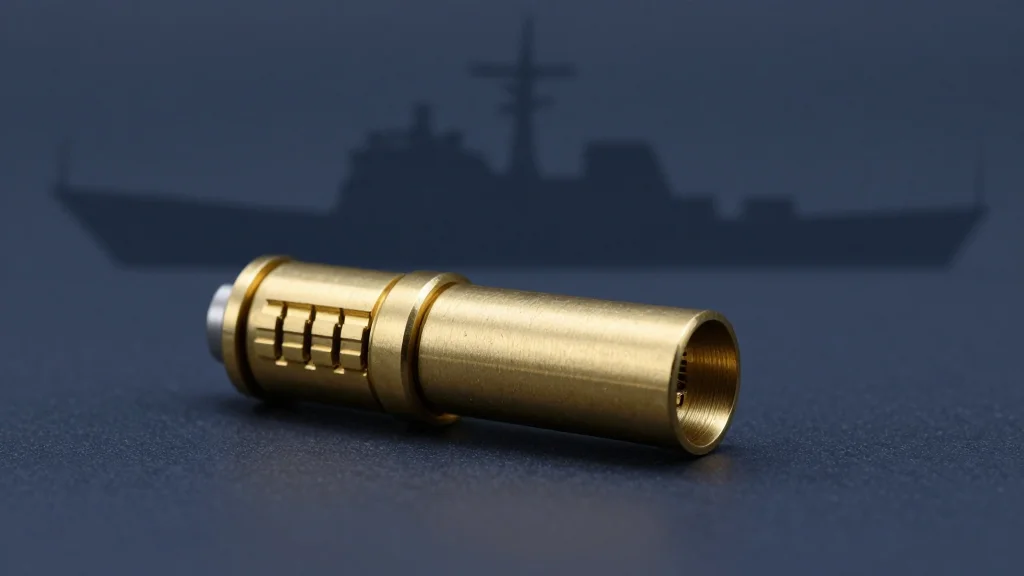
L3Harris Secures up to $98m US Navy Contract for Proximity Fuzes
Why It Matters
The deal strengthens the Navy’s ability to neutralize unmanned aerial threats cost‑effectively, while cementing L3Harris’s role in the fast‑growing counter‑UAS market.
Key Takeaways
- •L3Harris wins up to $98 million Navy proximity fuze contract.
- •Mechanical fuze, dubbed FALCO, targets counter‑UAS missions.
- •Production capacity expanded sevenfold, aiming for twenty‑fold increase.
- •Cincinnati plant will manufacture fuzes for Advanced Precision Kill Weapon System.
- •Investment in tooling and suppliers supports long‑term U.S. defense needs.
Pulse Analysis
The surge in unmanned aerial systems (UAS) has forced militaries worldwide to rethink traditional air‑defense tactics. Mechanical proximity fuzes, like L3Harris’s FALCO, provide a reliable, air‑burst solution that detonates at the optimal distance from a target, dramatically increasing kill probability against small, fast‑moving drones. By integrating these fuzes into the Advanced Precision Kill Weapon System, the Navy gains a scalable, low‑cost option that complements existing radar‑guided missiles, addressing gaps in short‑range air defense without overhauling existing platforms.
L3Harris’s new contract reflects both the urgency of the UAS challenge and the company’s ability to meet it. The firm‑fixed‑price award, capped at $98 million, funds the production of thousands of fuzes at its Cincinnati plant, where recent investments have boosted tooling, inspection capabilities, and supplier networks. This infrastructure upgrade has already lifted output sevenfold, with plans to increase total capacity twentyfold, ensuring a steady supply for current and future Navy programs. The contract also underscores the Department of War’s confidence in L3Harris’s decades‑long expertise in safe‑and‑arm technologies and multi‑domain ordnance.
Industry analysts see the agreement as a bellwether for the broader defense market, where counter‑UAS solutions are becoming a top procurement priority. Competitors are racing to develop similar proximity technologies, but L3Harris’s early mover advantage and established production base give it a competitive edge. As the U.S. and allied forces continue to integrate autonomous drones into both combat and logistics roles, demand for reliable, cost‑effective interceptors like the FALCO fuze is expected to rise sharply, driving further innovation and potential export opportunities.
L3Harris secures up to $98m US Navy contract for proximity fuzes
Comments
Want to join the conversation?
Loading comments...