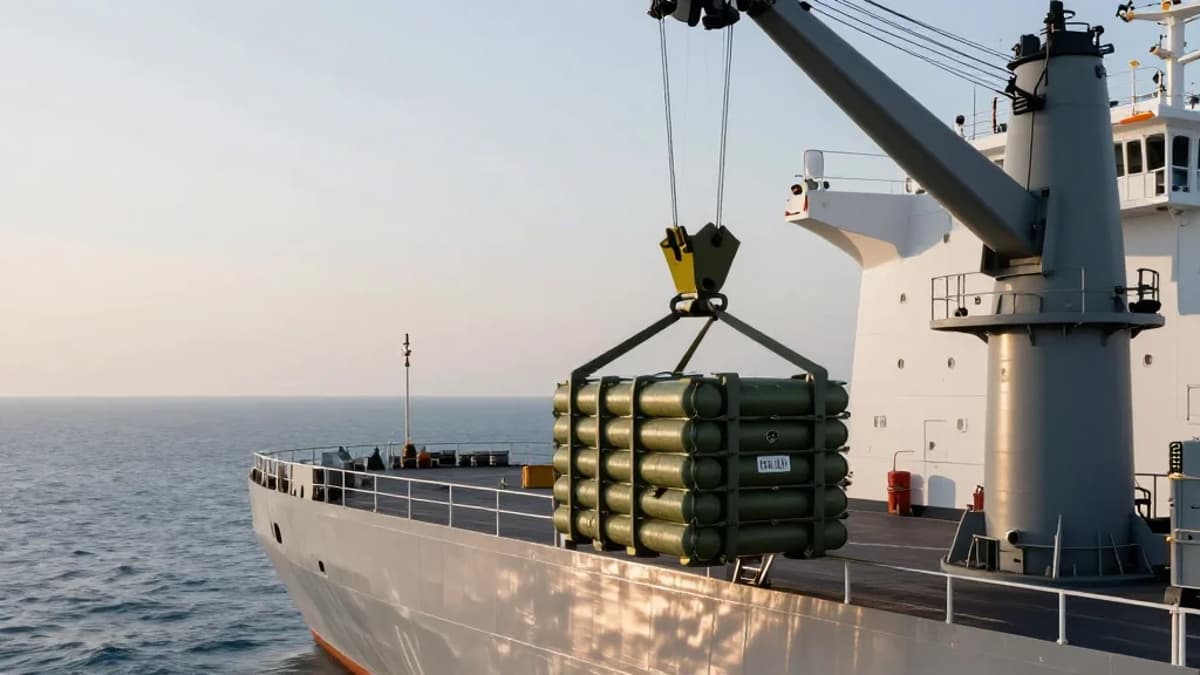
Late-Phase Failure and the Erosion of Military Effectiveness in Prolonged Conflict
•February 26, 2026
0
Why It Matters
Extended deterrence credibility depends on institutional endurance; misreading late‑phase dynamics can undermine strategic stability in the Indo‑Pacific.
Key Takeaways
- •Late‑phase stress degrades logistics, eroding operational tempo.
- •Energy grid fragility undermines command and sustainment.
- •Personnel fatigue reduces training quality and leadership.
- •Civil‑military cohesion wanes under prolonged economic strain.
- •Cyber and space disruptions amplify institutional vulnerabilities.
Pulse Analysis
Traditional defense planning has long prioritized firepower, platforms, and early‑war momentum. Recent high‑intensity wars, however, reveal that the decisive break often occurs after the initial surge, when institutional friction accumulates. In the Indo‑Pacific, vast distances, diverse allies, and critical chokepoints magnify these stresses, turning logistics bottlenecks, energy shortages, and command‑and‑control disruptions into strategic liabilities. Recognizing this shift from a platform‑centric to an institution‑centric paradigm is essential for credible extended deterrence.
Logistics networks are the first to show wear; sustained supply‑line attacks and civilian demand strain maritime and air transport, eroding resupply rates. Parallel energy vulnerabilities—centralized grids and imported fuels—undermine command systems and maintenance cycles, while personnel fatigue erodes training standards and leadership depth. Civil‑military coordination, once robust in crisis onset, deteriorates as economic pressures and public fatigue rise, signaling weakness to adversaries. Cyber and space domains compound these issues, as incremental attacks can silently degrade situational awareness and decision‑making.
Policymakers must therefore integrate late‑phase resilience into deterrence planning. This includes redundant logistics hubs, diversified energy sources, robust personnel rotation schemes, and institutionalized civil‑military education. Alliance frameworks should prioritize joint exercises that stress‑test command structures and cyber defenses, ensuring redundancy across digital and physical networks. By treating institutional endurance as a strategic variable equal to weapon systems, the United States and its Indo‑Pacific partners can sustain credible deterrence even under protracted pressure.
Late-Phase Failure and the Erosion of Military Effectiveness in Prolonged Conflict
0
Comments
Want to join the conversation?
Loading comments...