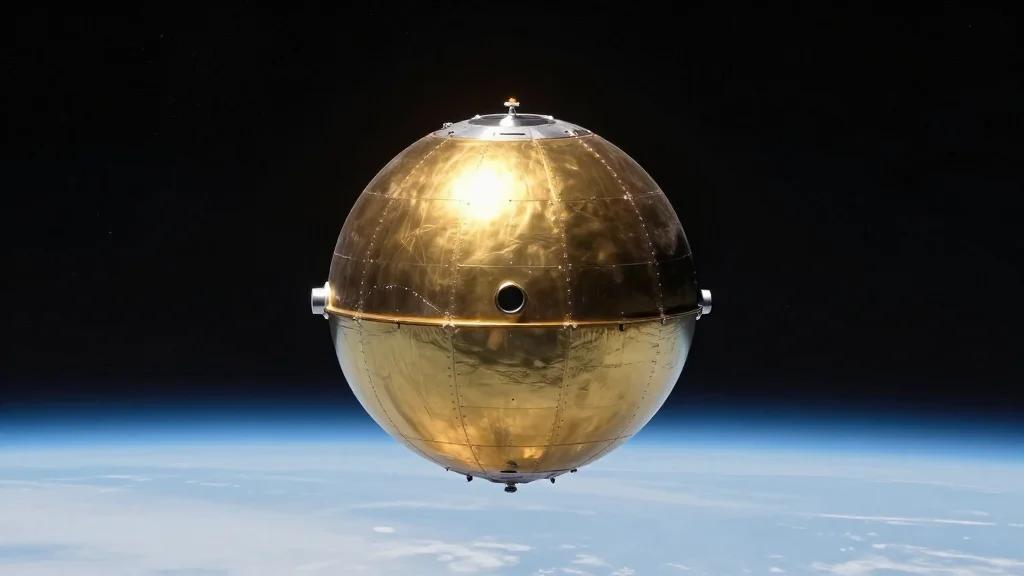
Lawmakers Seek More Details, Cost Information From Golden Dome Program Manager
Why It Matters
The disparity between agency estimates and independent cost projections could reshape congressional appropriations and determine whether Golden Dome proceeds as planned. Transparency will be pivotal for securing long‑term funding and maintaining strategic credibility.
Key Takeaways
- •Golden Dome seeks $17.5 billion FY2027, $24.4 billion FY2026 funding.
- •CBO estimates space‑interceptor layer could cost $542 billion over 20 years.
- •White House projects total program cost at $185 billion, far lower than CBO.
- •Lawmakers criticize lack of cost transparency and classified architecture details.
- •Program manager cites affordability as deciding factor for boost‑phase interceptors.
Pulse Analysis
Golden Dome represents the Trump administration’s most ambitious missile‑defense vision, aiming to integrate sea, land, air and space‑based interceptors into a single shield. The FY 2027 defense request of $1.5 trillion, the largest ever, earmarks $17.5 billion for the program, reflecting a strategic push to counter emerging hypersonic and ballistic threats. While the Pentagon claims the initiative is on schedule and budget, the sheer scale of the investment raises questions about prioritization amid competing defense priorities such as naval modernization and cyber capabilities.
Congressional scrutiny has intensified after the CBO’s 2025 analysis projected the space‑based interceptor component could demand $542 billion over twenty years—far exceeding the administration’s $185 billion projection. Lawmakers argue that the lack of transparent cost breakdowns hampers effective oversight and risks cost overruns that could crowd out other critical programs. The debate underscores a broader tension between classified defense projects and the need for fiscal accountability in a tight budget environment.
Technical hurdles also loom large. General Michael Guetlein highlighted affordability as the gatekeeper for boost‑phase interceptors, acknowledging that if the technology proves too costly or complex, production will be halted. This pragmatic stance reflects a shift toward cost‑effectiveness over untested capabilities, a sentiment echoed by both Democratic and Republican members of the subcommittee. The outcome of this oversight will shape not only Golden Dome’s trajectory but also the future architecture of U.S. missile defense, influencing how the nation balances innovation, budget constraints, and strategic deterrence.
Lawmakers seek more details, cost information from Golden Dome program manager
Comments
Want to join the conversation?
Loading comments...