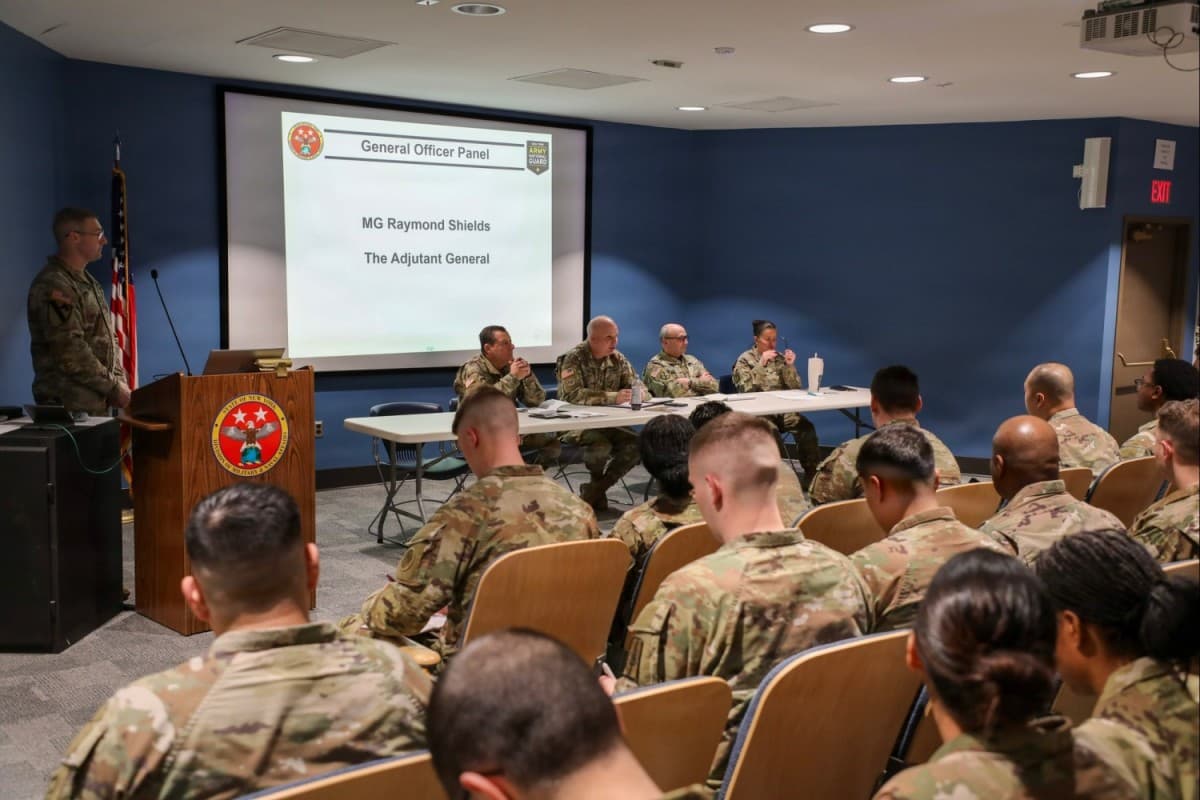
Leadership Conference Conducted for Junior Enlisted New York Army National Guard Soldiers
•January 13, 2026
0
Why It Matters
Developing junior enlisted talent strengthens the Guard’s leadership pipeline, directly enhancing recruitment, retention, and operational readiness.
Key Takeaways
- •61 junior soldiers attended four‑day leadership workshop
- •Senior Guard leaders addressed career, training, and readiness
- •Emphasis on safety, recruitment, and deployment readiness
- •Museum visit linked history to modern service
- •Participants selected for high growth potential
Pulse Analysis
Investing in junior enlisted leadership development has become a strategic priority for state National Guard components. The New York Army National Guard’s recent conference reflects a broader trend of immersive training programs that blend tactical instruction with personal mentorship. By bringing together sergeants and lower‑rank soldiers for intensive workshops, the Guard not only accelerates skill acquisition but also cultivates a culture of continuous learning that aligns with the Department of Defense’s emphasis on adaptable, tech‑savvy forces.
Readiness and retention are tightly linked to the quality of early‑career experiences. The conference’s focus on safety, recruitment metrics, and deployment preparedness addresses core challenges faced by reserve components nationwide. Direct interaction with senior leaders such as Maj. Gen. Ray Shields provides junior soldiers with transparent career pathways, reinforcing the value of service and encouraging long‑term commitment. Moreover, integrating family and soldier support programs into the curriculum acknowledges the holistic needs of modern service members, a factor proven to reduce attrition rates.
Historical awareness and institutional pride also play a role in shaping future leaders. The inclusion of a visit to the New York State Military Museum connects participants to the Guard’s storied legacy, fostering a sense of belonging that can translate into higher morale and performance. As other states observe the outcomes of New York’s model—enhanced leadership competencies and improved readiness—they may adopt similar conferences, creating a ripple effect across the National Guard. Ultimately, such initiatives position the Guard to meet evolving security demands while maintaining a resilient, well‑trained enlisted force.
Leadership Conference conducted for junior enlisted New York Army National Guard Soldiers
0
Comments
Want to join the conversation?
Loading comments...