Legislative Proposal Would Eliminate Contracting Preferences for Minority, Women-Owned Businesses
Why It Matters
Eliminating DEI clauses and minority‑business set‑aside programs could reshape federal procurement, removing billions of dollars in contracts from historically disadvantaged firms and altering the competitive landscape for small‑business suppliers.
Key Takeaways
- •Bill would strip DEI clauses from all federal contracts.
- •8(a) and women‑owned business preferences eliminated.
- •HUBZone, veteran and service‑disabled goals remain untouched.
- •No reporting required on contracts to minority or women‑owned firms.
- •Repeal of 2021 Minority Business Development Act proposed.
Pulse Analysis
The federal government has long used diversity, equity and inclusion (DEI) mandates to steer procurement toward minority‑ and women‑owned firms. President Trump’s March 26 executive order introduced a blanket prohibition on DEI language in contracts, requiring agencies to insert a “no‑DEI” clause and to report compliance. That order set a July 24 deadline for agencies to retrofit existing contracts, signaling a shift toward a merit‑based, color‑blind procurement model. Industry observers note that the move has sparked a broader debate about the role of social policy in government spending.
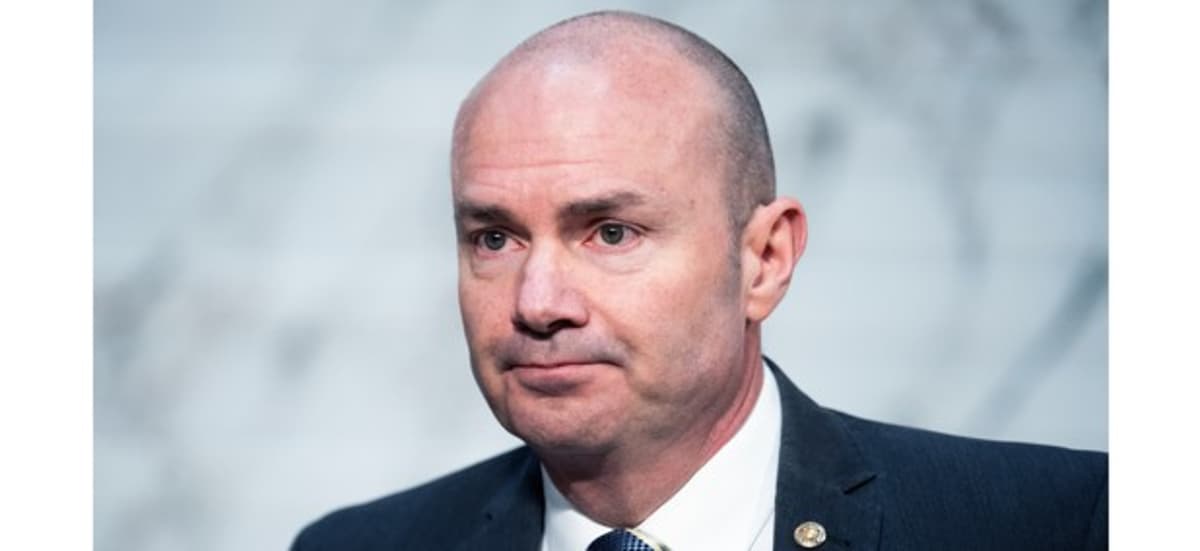
The new legislation, known as the Ending Discrimination in Government Contracting Act, takes the executive order a step further. Sponsored by Republican lawmakers Sen. Mike Lee and Rep. Glenn Grothman, the bill would not only ban DEI clauses but also eliminate the 8(a) program and the set‑aside goals for women‑owned businesses. It preserves only the HUBZone, veteran‑owned and service‑disabled veteran‑owned targets, and proposes repealing the 2021 Minority Business Development Act, which has directed billions of dollars to minority firms. With no co‑sponsors and committee referral pending, the proposal faces an uncertain legislative path, but it reflects a growing push to curtail what its proponents call wasteful “identity‑based” spending.
If enacted, the bill would reverberate across the small‑business ecosystem. Thousands of firms that rely on federal contracts for a significant share of revenue could lose access to a stable pipeline of work, prompting them to seek private‑sector opportunities or consolidate. Conversely, larger prime contractors may benefit from reduced reporting burdens and fewer subcontractor compliance checks. The broader market could see a shift toward price‑driven competition, but critics warn that removing targeted support may widen disparities and diminish the government’s ability to promote inclusive economic growth. Stakeholders will be watching closely as the debate unfolds in Congress and within the procurement community.
Legislative proposal would eliminate contracting preferences for minority, women-owned businesses
Comments
Want to join the conversation?
Loading comments...