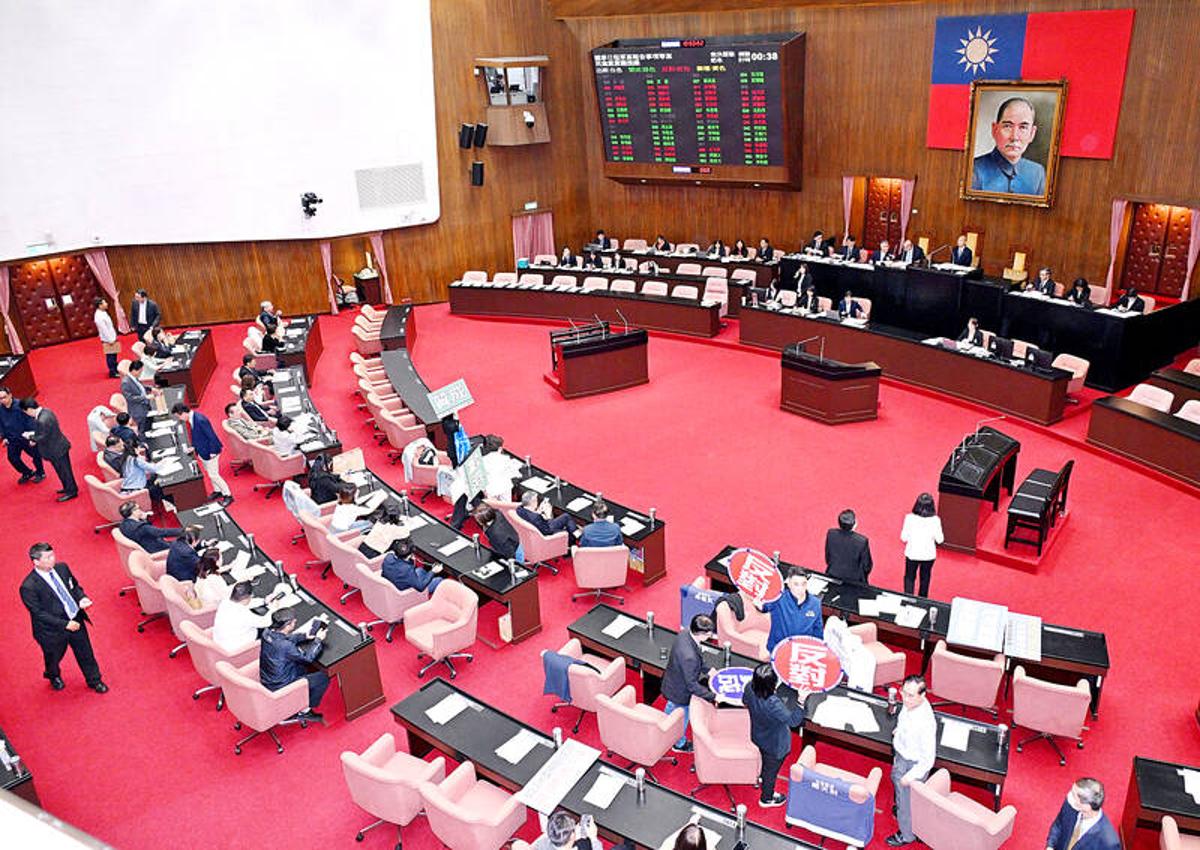
Legislature Okays NT$8.8bn Arms Fund
Why It Matters
The move deepens Taiwan’s reliance on U.S. military hardware while exposing fiscal and operational challenges that could affect regional security dynamics.
Key Takeaways
- •Taiwan approves $281 million special budget for five U.S. weapons systems
- •Funding gap of $13 billion identified for the “T‑Dome” air‑defense project
- •Framework allows up to $25 billion in U.S. arms purchases through 2033
- •Lawmakers demand live‑fire tests on anti‑armor drones amid performance concerns
- •Volunteer force recruitment below 80 % target, risking personnel shortages
Pulse Analysis
Taiwan’s latest defense budget underscores the island’s strategic pivot toward American weaponry amid rising cross‑strait tensions. By earmarking roughly $281 million for systems such as the M109A7 self‑propelled howitzer and HIMARS rocket launchers, Taipei signals a commitment to modernizing its firepower while aligning procurement timelines with U.S. delivery schedules. The broader legislative framework, which could unlock up to $25 billion over the next decade, reflects a long‑term partnership that extends beyond individual platforms to include integrated command, control, and intelligence capabilities.
However, the financing model raises fiscal eyebrows. The special budget will be funded through borrowing, and lawmakers highlighted a staggering $13 billion gap in the “T‑Dome” air‑defense project—an integrated radar and missile shield critical to countering missile threats. This shortfall forces the Ministry of National Defense to seek supplementary appropriations or re‑allocate existing funds, potentially straining other defense priorities. The emphasis on live‑fire testing for anti‑armor drones also reveals concerns about technology reliability, especially after mixed performance reports from the Ukraine conflict.
Beyond hardware, the legislature’s resolutions touch on human capital and cyber resilience. A declining volunteer force, now projected below 80 % of its target, threatens the ability to operate and maintain high‑tech systems. Simultaneously, a ban on Chinese mapping apps highlights anxieties over digital espionage that could expose tactical positions. Together, these issues paint a picture of a defense strategy that must balance cutting‑edge acquisitions with sustainable funding, skilled personnel, and robust cybersecurity safeguards.
Legislature okays NT$8.8bn arms fund
Comments
Want to join the conversation?
Loading comments...