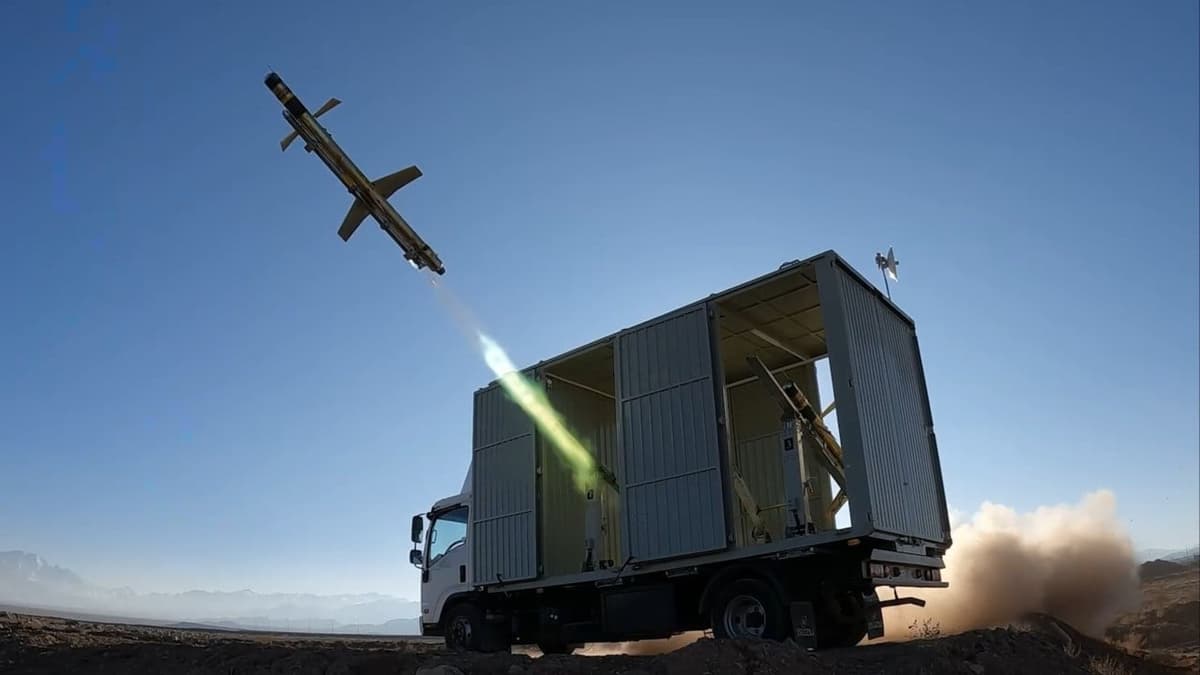
Lesson for China? Iran’s Low-Cost 358 Missile Takes Out Million-Dollar US Assets
Why It Matters
The 358 shows how inexpensive loitering munitions can neutralize high‑value UAVs, reshaping cost calculations for air defense. Its visibility in China suggests a possible shift toward affordable, proliferated anti‑drone capabilities worldwide.
Key Takeaways
- •Iran's 358 loitering munition costs a fraction of traditional missiles
- •358 can intercept MALE drones like MQ‑9 Reaper at subsonic speeds
- •Chinese media highlights the system as a model for low‑cost defense
- •Slow speed limits use against fast jets, but excels against turboprop UAVs
Pulse Analysis
The rise of loitering munitions like Iran’s 358 reflects a broader trend toward cost‑effective, precision‑guided weapons that blur the line between missile and drone. Weighing roughly 50 kg and powered by a micro‑turbojet, the 358 can loiter for tens of minutes before homing in on a target with an infrared seeker. Its subsonic cruise and modest range keep production costs low, allowing Iran to field large numbers without the budgetary strain of conventional surface‑to‑air missiles. This affordability has caught the eye of militaries seeking to counter the proliferation of medium‑altitude, long‑endurance (MALE) UAVs that are increasingly used for surveillance and strike missions.
For the United States and its allies, the 358’s success underscores a vulnerability in current air‑defense architectures that prioritize high‑speed, high‑altitude threats while under‑investing in counter‑UAV solutions. The MQ‑9 Reaper, a multi‑role platform valued at several million dollars per unit, can be neutralized by a weapon that costs a fraction of that price. This cost asymmetry forces defense planners to reconsider budget allocations, potentially accelerating development of dedicated low‑cost interceptors, directed‑energy systems, or electronic warfare suites designed to protect high‑value assets from inexpensive swarms.
China’s coverage of the Iranian system signals an appetite for replicating or adapting the technology within its own defense industry. By showcasing the 358 as a model for affordable anti‑drone capability, Chinese commentators hint at a future where such weapons could be exported to allied states or integrated into regional security frameworks. The convergence of low production costs, ease of deployment, and proven effectiveness may drive a new market segment, prompting both established arms manufacturers and emerging players to innovate around the loitering‑munition concept. As more nations adopt similar systems, the strategic calculus of aerial warfare could shift toward a layered defense where cheap, expendable interceptors complement traditional high‑end missile batteries.
Lesson for China? Iran’s low-cost 358 missile takes out million-dollar US assets
Comments
Want to join the conversation?
Loading comments...