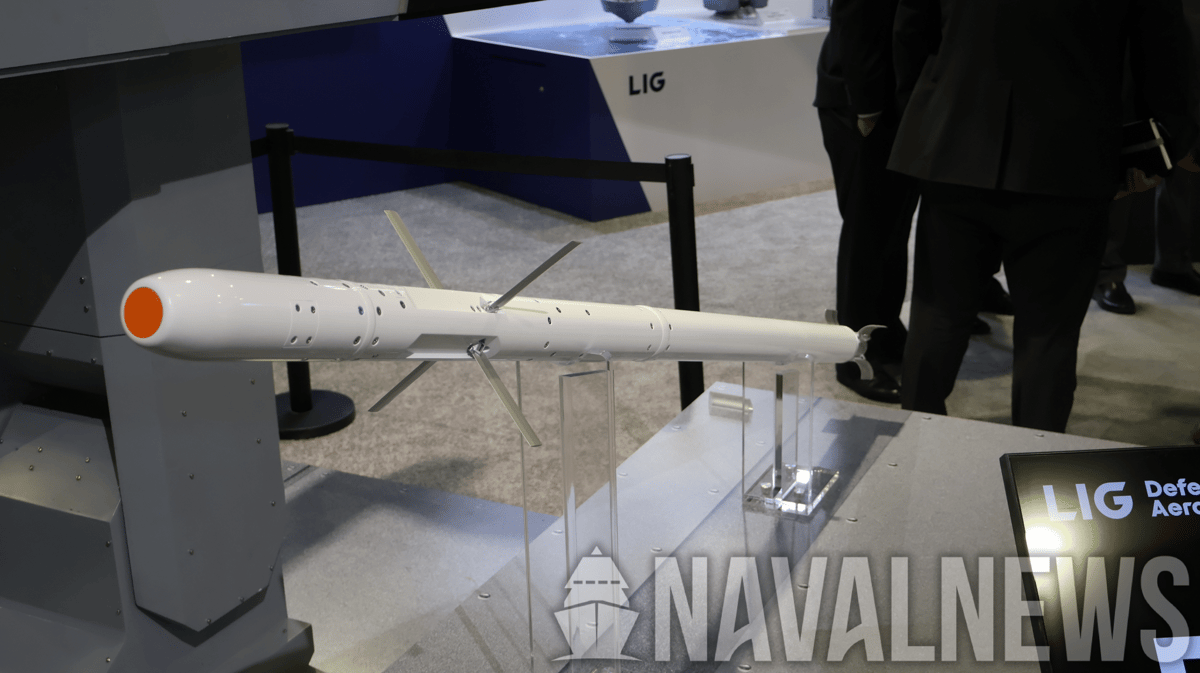
LIG to Expand Guided Rocket Offerings in the U.S.
Companies Mentioned
Why It Matters
The move positions LIG as a low‑cost, high‑accuracy alternative for U.S. forces confronting unmanned threats, potentially reshaping procurement and logistics for naval aviation and surface combatants.
Key Takeaways
- •Poniard 70mm achieved 100% accuracy in US Navy testing
- •Integration onto MH‑60R helicopters targets counter‑UAS missions
- •LIG seeks contracts with PMA‑299 for aviation procurement
- •130mm rockets offer datalink mid‑course guidance and longer range
- •140mm variant adds GPS/INS for anti‑tank and CUAS roles
Pulse Analysis
LIG Defense & Aerospace is leveraging the momentum from its successful Sea Air Space 2026 debut to push a family of guided rockets into the U.S. defense market. The 70mm Poniard, already validated by a five‑year foreign comparative testing program, delivers fire‑and‑forget capability with an infrared seeker, a rarity for inexpensive effectors. Its perfect hit rate against fast‑attack craft and compatibility with existing 2.75‑inch pods make it an attractive solution for the Navy’s urgent need to counter swarms of unmanned aerial systems and low‑cost surface threats emerging from the Iran conflict and illicit drug‑running vessels.
Beyond the 70mm, LIG’s 130mm and 140mm rockets expand the concept to longer‑range, higher‑payload applications. The 130mm model adds a datalink for mid‑course updates before the terminal IR seeker takes over, enabling engagements from land‑based or ship‑borne launchers and offering a cheaper alternative to traditional anti‑surface missiles. The 140mm variant incorporates GPS and inertial navigation alongside the IR seeker, broadening its role to anti‑tank and CUAS missions while drawing on LIG’s Raybolt ATGM heritage. Both larger rockets promise modular integration on destroyers, frigates, and potentially future unmanned surface vessels.
Strategically, LIG’s push for U.S. production and its newly opened American subsidiary signal a deeper partnership with American defense procurement channels. By aligning with PMA‑299 and positioning its rockets as cost‑effective, readily integrable munitions, LIG could capture a niche in the Navy’s evolving arsenal, reducing reliance on pricier missile systems while enhancing flexibility across air, surface, and unmanned platforms. This approach may accelerate adoption cycles and set a precedent for other foreign defense firms seeking footholds in the U.S. market.
LIG to Expand Guided Rocket Offerings in the U.S.
Comments
Want to join the conversation?
Loading comments...