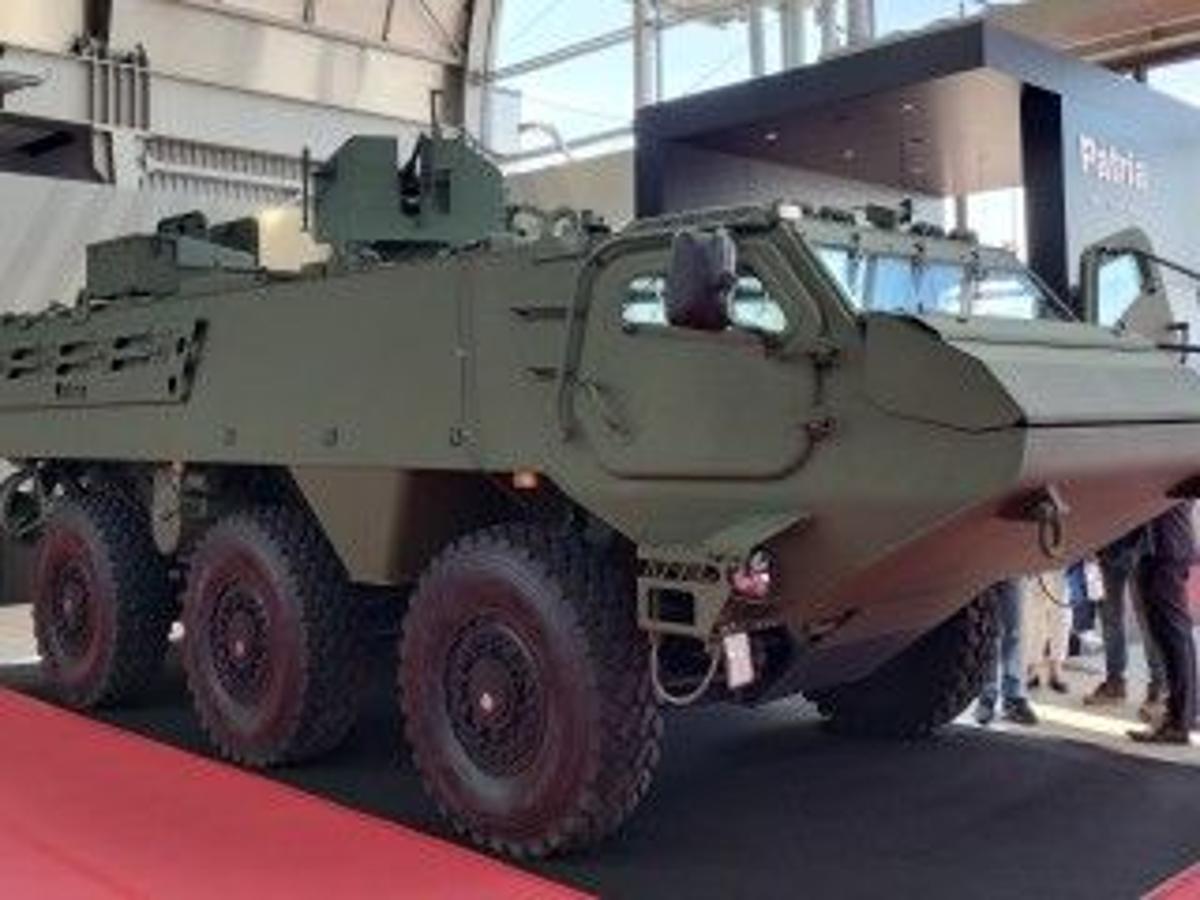
Lithuania Buys Patria Vehicles to Counter Growing Threats
Why It Matters
The deal strengthens Lithuania’s deterrence posture and bolsters NATO’s eastern flank, while fostering a home‑grown defense industry that can supply future upgrades. It signals a rapid shift toward integrated, technology‑driven security in a region facing heightened Russian activity.
Key Takeaways
- •Lithuania orders 936 Patria armored vehicles, 30 delivered by 2030.
- •Vehicles will be assembled on Lithuanian soil, boosting local industry.
- •Procurement supports NATO’s Baltic deterrence against Russian aggression.
- •New short‑range radars and drone interceptors complement vehicle fleet.
- •Domestic software will unify drone monitoring across national defense networks.
Pulse Analysis
Lithuania’s latest defence procurement reflects a decisive response to the heightened security volatility surrounding the Baltic Sea. Since Russia’s invasion of Ukraine, Warsaw‑aligned states have accelerated modernisation, and Lithuania now earmarks billions of euros for a fleet of Patria 6x6 and 8x8 armored vehicles. By securing 936 units—30 of which will be operational by 2030—the country aims to fill critical mobility gaps and reinforce infantry protection on its vulnerable frontiers.
Beyond sheer numbers, the contract embeds a strategic industrial component: the vehicles will be assembled on Lithuanian soil, leveraging Finnish engineering while cultivating a domestic supply chain. This approach dovetails with NATO’s push for greater resilience in the alliance’s eastern flank, ensuring that member states can maintain and upgrade platforms without relying exclusively on external logistics. Complementary purchases of short‑range radars and drone‑interceptor systems create a layered defence architecture, while a home‑grown software suite promises seamless integration of aerial surveillance data across command networks.
Economically, the programme taps into EU defence funds and national budget allocations, generating high‑skill jobs and spurring ancillary sectors such as metallurgy and electronics. In the broader geopolitical calculus, Lithuania’s move signals to both allies and adversaries that the Baltic region is investing in a modern, interoperable force capable of rapid response. As neighboring states observe the rollout, the procurement may catalyse similar initiatives, reshaping the security equilibrium in Northern Europe for the coming decade.
Lithuania buys Patria vehicles to counter growing threats
Comments
Want to join the conversation?
Loading comments...