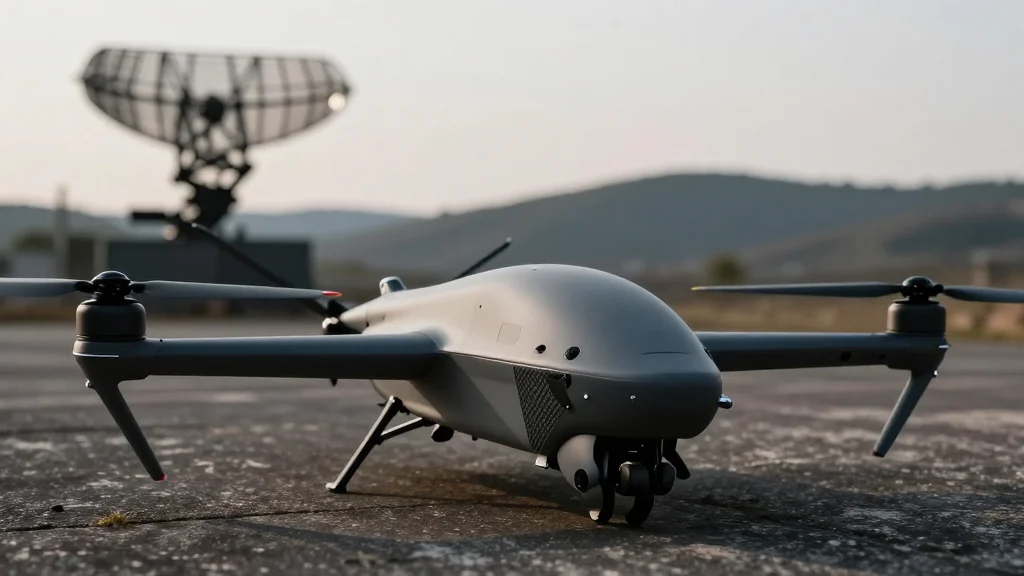
Lithuania Joins U.S. and Poland in Buying Merops Interceptor Drones
Why It Matters
The deal bolsters Lithuania’s air‑defense capability against the rising drone threat near Russia, while the fast‑track approach demonstrates NATO allies’ urgency to close counter‑drone gaps. Its adoption signals broader acceptance of interceptor‑drone technology as a budget‑friendly alternative to missiles.
Key Takeaways
- •Lithuania orders 48 Merops interceptor drones, split between thermal and RF seekers
- •Fast‑track procurement bypasses bureaucracy, accelerating NATO air‑defense readiness
- •System proven in Ukraine, targeting cheap loitering munitions like Shahed
- •U.S. and Poland also field Merops, signaling broader NATO adoption
Pulse Analysis
The Baltic region has become a frontline for modern aerial threats, as Russian‑origin drones and Iranian‑made loitering munitions proliferate across Eastern Europe. Lithuania, a NATO member bordering the Russian exclave of Kaliningrad, has prioritized rapid upgrades to its air‑defense architecture to protect critical infrastructure and civilian populations. By selecting a system already battle‑tested in Ukraine, Vilnius not only gains immediate operational credibility but also aligns its procurement with the alliance’s broader push to counter low‑cost, high‑volume drone attacks.
Merops AS‑3 Surveyor distinguishes itself by using purpose‑built interceptor UAVs instead of expensive missiles or pure electronic jamming. The dual‑seeker configuration—thermal for low‑visibility environments and radio‑frequency for GPS‑guided threats—provides flexibility across weather conditions and target types. Each interceptor drone costs a fraction of a traditional missile, allowing defenders to engage swarms without exhausting budgets. Training, radar integration, and a streamlined logistics package further reduce the total cost of ownership, making the solution attractive for smaller NATO economies with limited defense spending.
Lithuania’s procurement, mirrored by recent purchases in the United States and Poland, signals a strategic shift toward interoperable, cost‑effective counter‑drone platforms across the alliance. The fast‑track legislative pathway underscores a growing consensus that bureaucratic delays jeopardize national security in a rapidly evolving threat landscape. As more NATO members adopt interceptor‑drone technology, we can expect standardized tactics, shared data links, and joint exercises that enhance collective resilience against the next generation of unmanned threats.
Lithuania joins U.S. and Poland in buying Merops interceptor drones
Comments
Want to join the conversation?
Loading comments...