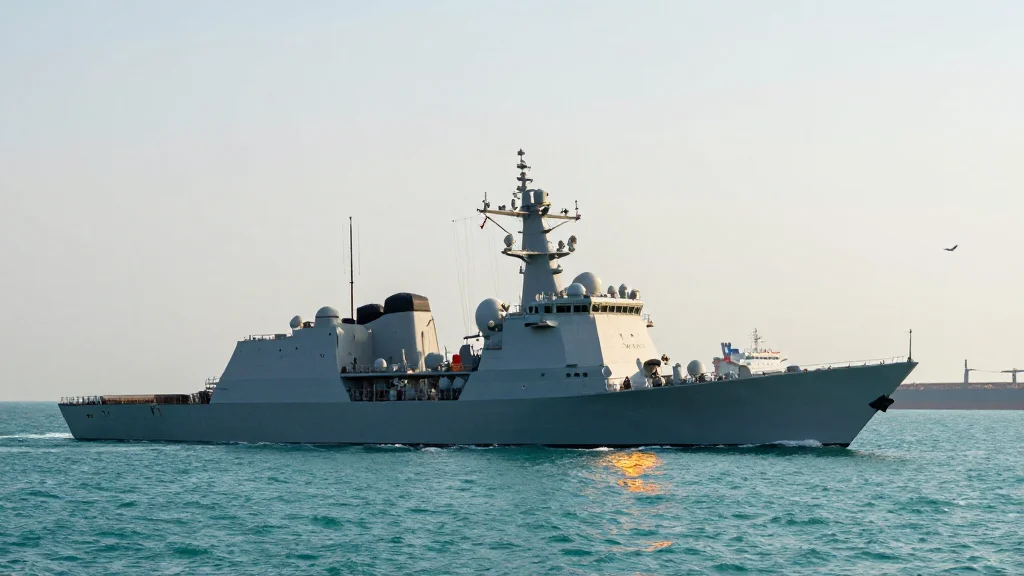
Live: Iran Warns It Has 'Not Even Started' In Hormuz Stand-Off
Why It Matters
The flare‑up jeopardizes the Strait of Hormuz, a critical artery for world oil, raising shipping costs and amplifying inflationary pressure across global markets.
Key Takeaways
- •Iran's chief negotiator says US actions have only begun
- •US KC‑135 tanker transmitted emergency code over Persian Gulf
- •Fires on commercial vessels and Korean cargo ship raise maritime risk
- •Brent crude rose to $113 per barrel amid regional instability
- •EU, India and others condemn attacks, urge Hormuz de‑escalation
Pulse Analysis
The Strait of Hormuz remains one of the world’s most vulnerable chokepoints, funneling roughly a fifth of global oil shipments. In early May 2026, Iran’s chief negotiator Mohammad Bagher Ghalibaf took to X to warn that the United States and its allies have only “just begun” to feel Tehran’s response, signaling a potential escalation beyond the current tit‑for‑tat. The warning coincided with a spate of maritime incidents: a fire broke out on several commercial vessels docked at Iran’s Dayyer port, a blaze erupted aboard the South Korean‑operated HMM Namu in the strait, and a US Air Force KC‑135 aerial refuelling tanker transmitted a 7700 emergency code while transiting the Persian Gulf. These events underscore the heightened risk to commercial navigation and the possibility of broader military involvement.
Energy markets reacted swiftly. Brent crude surged to roughly $113 per barrel, reflecting investor anxiety over supply disruptions. 35% citing Middle‑East‑driven inflation. Shipping firms face increased insurance premiums and rerouting expenses as vessels weigh the dangers of a potentially closed strait. The cumulative effect threatens to tighten global supply chains, elevate consumer prices, and strain fiscal balances in oil‑importing nations.
International diplomatic responses have been swift but fragmented. The European Council, India, and New Zealand condemned Iran’s missile and drone attacks on the United Arab Emirates and called for an immediate cease‑fire. Meanwhile, US President Donald Trump promoted “Project Freedom,” a limited escort operation that has so far shepherded only a fraction of the estimated 2,000 stranded ships. Analysts warn that without a coordinated multilateral de‑escalation strategy, the Hormuz standoff could evolve into a protracted conflict, further destabilising oil markets and compelling policymakers to balance security imperatives against economic fallout.
Live: Iran warns it has 'not even started' in Hormuz stand-off
Comments
Want to join the conversation?
Loading comments...