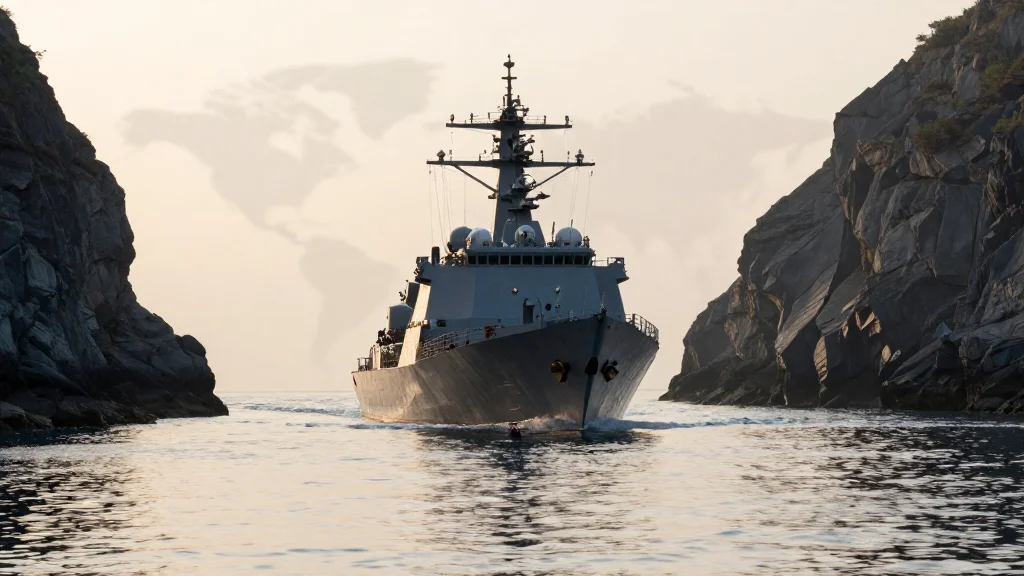
Live: Trump Says Peace Talks Could Restart in Days as Blockade 'Completely' Halts Maritime Iranian Trade
Companies Mentioned
Why It Matters
Resuming talks could de‑escalate a volatile Middle‑East conflict, while the Hormuz blockade tightens global oil supply, raising prices and disrupting supply chains worldwide.
Key Takeaways
- •Trump says US‑Iran peace talks could resume in Pakistan within days
- •US blockade has completely stopped maritime trade through the Strait of Hormuz
- •Iranian oil exports halted, tightening global oil supply and prices
- •Australia flags that one quarter of its jobs rely on Hormuz trade
- •Airlines and truckers cut capacity as jet fuel costs surge 150%
Pulse Analysis
The prospect of renewed US‑Iran negotiations marks a rare diplomatic opening in a war that has already reshaped energy markets. By signaling a willingness to meet in Pakistan, Trump is leveraging a neutral venue to bypass entrenched mistrust, a tactic reminiscent of past back‑channel talks. If successful, a cease‑fire could restore some stability to the Persian Gulf, easing the risk premium that has driven oil prices above $100 per barrel and allowing multinational firms to recalibrate their exposure to sanctions and supply disruptions.
Meanwhile, the US‑enforced blockade of the Strait of Hormuz has effectively choked off Iran’s maritime trade, cutting off an estimated 2‑3 million barrels per day of crude and refined products. This abrupt halt not only squeezes global oil inventories but also forces shipping firms to reroute vessels around the Cape of Good Hope, adding weeks and thousands of dollars to freight costs. Energy‑intensive economies, from Europe to East Asia, face heightened price volatility, prompting governments to tap strategic reserves and accelerate alternative supply agreements.
Australia’s commentary underscores the broader economic ripple effect. With roughly 25% of Australian employment linked to Hormuz‑dependent supply chains—particularly in mining, agriculture, and aviation—the blockade threatens domestic labor markets and inflation. Companies are already trimming capacity, as seen with Virgin Australia’s 1% domestic flight reduction and trucking firms reporting $300,000‑$315,000 monthly fuel cost spikes. The convergence of diplomatic uncertainty and supply‑chain strain highlights the urgent need for diversified energy sources and resilient logistics networks to mitigate future geopolitical shocks.
Live: Trump says peace talks could restart in days as blockade 'completely' halts maritime Iranian trade
Comments
Want to join the conversation?
Loading comments...