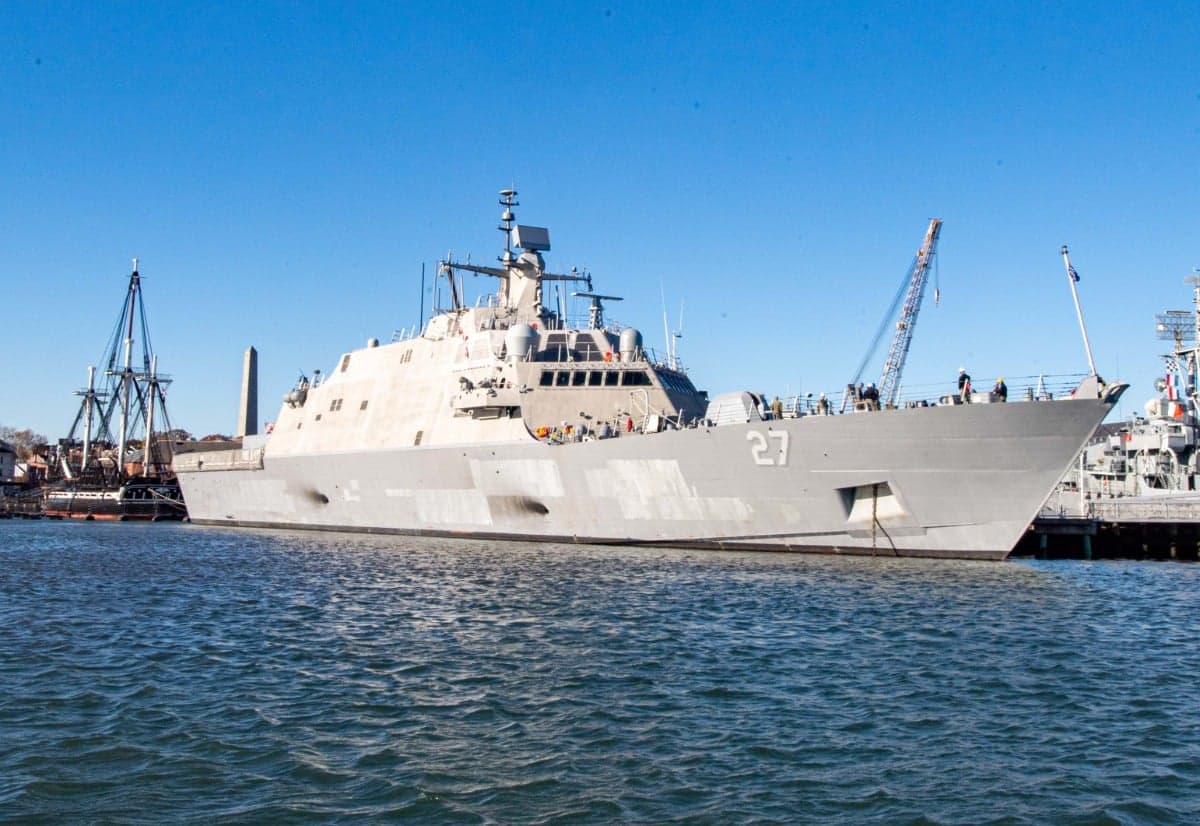
Lockheed Martin Awarded $50M to Keep LCS Warships Combat-Ready
Companies Mentioned
Why It Matters
By keeping the LCS combat architecture operational, the Navy avoids a capability gap in its surface fleet and preserves the value of ships that remain in service despite earlier program cuts.
Key Takeaways
- •$49.9M contract extends LCS combat‑system sustainment to April 2027.
- •87% of work performed at Lockheed’s Moorestown, NJ engineering hub.
- •Funding split: 85% RDT&E, 15% operations & maintenance.
- •Sustainment prevents capability loss for remaining LCS hulls.
Pulse Analysis
The Littoral Combat Ship program has been a polarizing element of U.S. naval strategy since its debut in 2008. Early criticism focused on cost overruns, mechanical reliability, and questions about survivability in high‑intensity conflict. Although the original procurement plan was scaled back and several hulls retired early, a core group of Freedom‑class and Independence‑class vessels remains active, tasked with missions ranging from coastal patrol to mine countermeasures. Maintaining these ships’ combat‑system software and hardware is essential to preserving their operational relevance and preventing them from becoming liabilities.
Lockheed Martin’s latest $49.9 million contract modification, awarded by Naval Sea Systems Command, is a targeted sustainment effort rather than a major upgrade. The majority of the work—87 percent—will be executed at the company’s Moorestown, New Jersey facility, a long‑standing hub for naval combat‑system engineering that supports Aegis and allied warship programs. Funding is split between research, development, test and evaluation (85 percent) and operations and maintenance (15 percent), reflecting a balanced approach that leverages existing expertise while keeping fiscal exposure modest. The one‑year performance window, ending in April 2027, ensures that the LCS fleet’s combat architecture stays current without committing to a long‑term development cycle.
For the Navy, the contract signals a pragmatic stance: rather than abandoning the LCS fleet outright, it opts to preserve capability while deliberating the ships’ future role in force structure. This sustainment model offers a template for other legacy platforms facing budget constraints and evolving mission sets. Industry observers see the Moorestown concentration of talent as a strategic asset, reinforcing Lockheed Martin’s position as a primary supplier of naval combat systems. As the Navy continues to assess the LCS’s place alongside larger surface combatants, the contract underscores the importance of incremental engineering support in extending the service life of existing assets.
Lockheed Martin awarded $50M to keep LCS warships combat-ready
Comments
Want to join the conversation?
Loading comments...