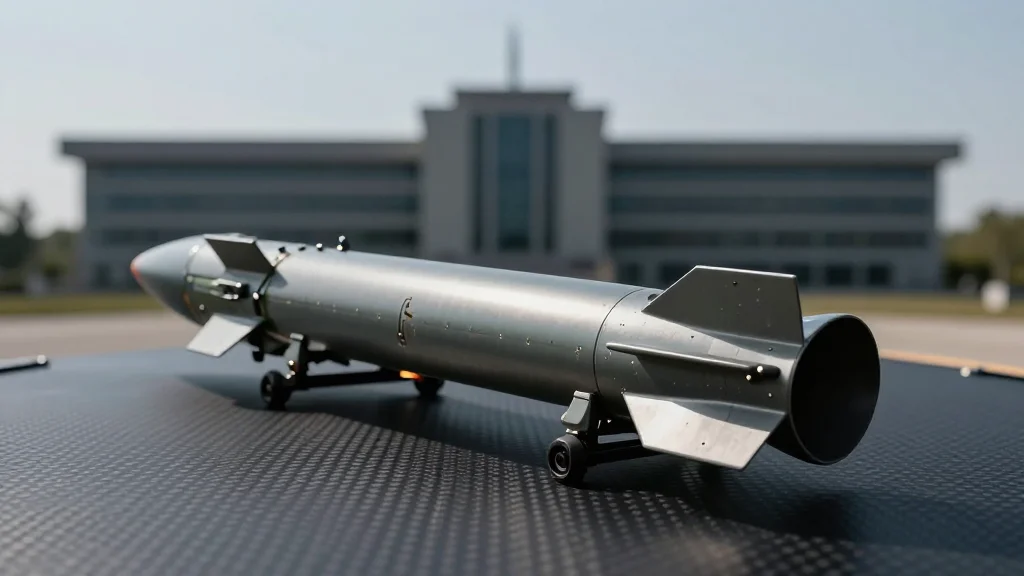
Lockheed Martin Cannot Say when US Allies Will Get Patriot Missiles
Companies Mentioned
Why It Matters
Unclear Patriot delivery dates could delay allies’ air‑defence upgrades, affecting regional deterrence and U.S. strategic influence. The uncertainty also highlights supply‑chain constraints within the defense industrial base.
Key Takeaways
- •Production limited by component shortages and domestic priorities
- •Allies face uncertain timelines for air‑defence capability upgrades
- •Lockheed Martin commits support but cannot guarantee delivery dates
- •Procurement processes vary, adding complexity to schedule coordination
- •Delays could affect regional security calculations against emerging threats
Pulse Analysis
The Patriot system, now in its third generation, remains a cornerstone of NATO’s integrated air‑defence architecture. Recent spikes in demand from Europe and the Indo‑Pacific have strained Lockheed Martin’s production lines, already juggling domestic orders for the U.S. Army and Navy. Component bottlenecks—particularly in advanced radar modules and propulsion units—have forced the manufacturer to prioritize contracts that align with national security directives, leaving less‑certain timelines for export customers.
For partner nations, the lack of a concrete delivery schedule hampers force‑planning cycles. Countries like Poland, Japan, and Saudi Arabia rely on Patriot batteries to fill gaps in their own missile‑defence portfolios, and any postponement can shift threat‑assessment calculations, especially amid heightened regional tensions. Moreover, the variability in each ally’s procurement procedures—ranging from congressional approvals to local industrial offset requirements—adds another layer of complexity that the contractor must navigate, often extending lead times beyond the original contract milestones.
Looking ahead, analysts suggest that Lockheed Martin may mitigate delays by expanding its supply chain partnerships and increasing domestic production capacity for critical subsystems. Simultaneously, the U.S. government could streamline export licensing to align with allied procurement calendars, reducing bureaucratic lag. If these measures take hold, the Patriot program could regain its rhythm, preserving its role as a deterrent while sustaining revenue streams for the defense sector. Until then, stakeholders should monitor component sourcing trends and policy adjustments that could reshape delivery expectations.
Lockheed Martin cannot say when US allies will get Patriot missiles
Comments
Want to join the conversation?
Loading comments...