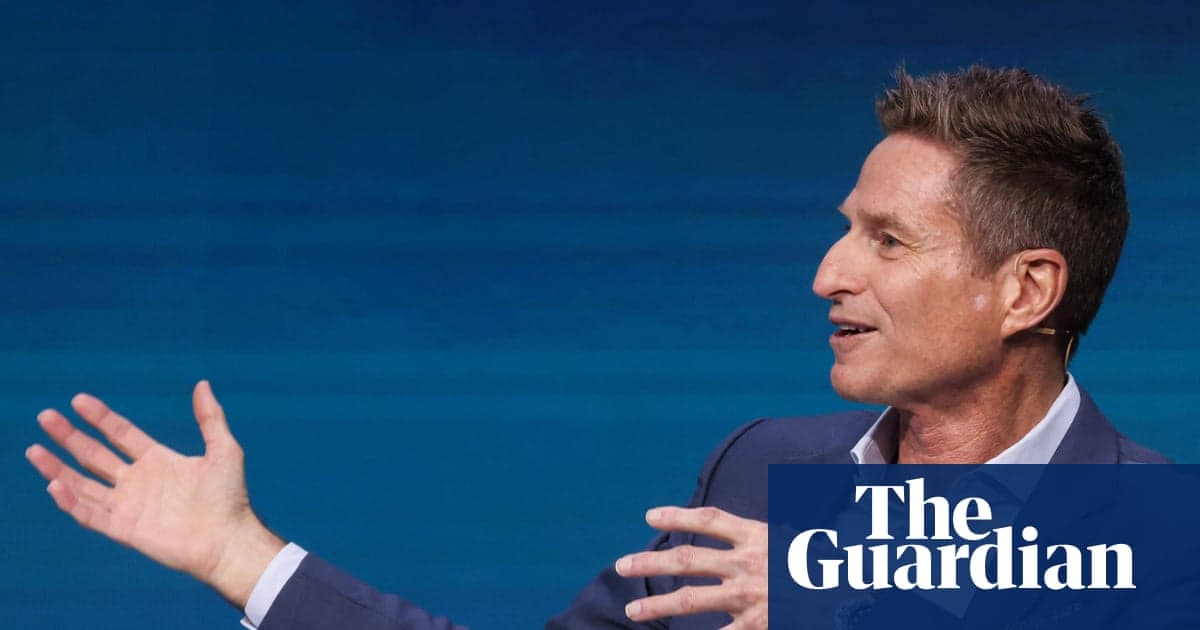
Lockheed Martin CEO Sees Trump’s Pentagon as ‘Golden Opportunity’ for Growth
Companies Mentioned
Why It Matters
The contracts and new contracting framework boost Lockheed’s cash flow and reduce exposure to government order volatility, signaling stronger earnings prospects for the defense sector under heightened U.S. military spending.
Key Takeaways
- •Lockheed secured $4.7 bn Pac‑3 missile production contract
- •$1.9 bn contract for C‑0130J training systems
- •Q1 2026 revenue $18 bn, flat YoY
- •Pentagon adds recovery clause to mitigate contract changes
- •Trump admin proposes $73 bn cuts to domestic programs
Pulse Analysis
Lockheed Martin’s latest earnings call underscored how the company is capitalizing on the Trump administration’s aggressive defense agenda. Two multi‑billion‑dollar Pentagon awards—a $4.7 bn boost to Pac‑3 missile interceptors and a $1.9 bn extension for C‑0130J training systems—reinforce the firm’s position as a primary supplier for high‑priority weapons. These deals arrive as the White House pushes a $1.5 tn defense budget, a $445 bn increase that would dwarf last year’s spending, while simultaneously targeting $73 bn cuts to domestic programs. The fiscal environment creates a clear tailwind for legacy contractors.
Beyond the headline contracts, Taiclet emphasized a strategic pivot toward a commercial‑like contracting model. By embedding a recovery clause that guarantees payment even if production rates are trimmed or congressional appropriations shift, Lockheed reduces the traditional risk of government‑only funding. This approach mirrors private‑sector risk‑sharing mechanisms, potentially accelerating production cycles and improving cash conversion. Analysts view the model as a template for other defense firms seeking more predictable revenue streams amid the volatility of political budgeting.
The broader industry implications are significant. A sustained, higher‑than‑historical defense budget could trigger a wave of modernization programs, benefiting not only Lockheed but also its supply chain partners. However, the reliance on a single administration’s priorities introduces political risk; a shift in congressional sentiment or a change in leadership could alter funding trajectories. Investors will watch how effectively Lockheed translates these contracts into long‑term profitability while navigating the delicate balance between defense spending growth and domestic program reductions.
Lockheed Martin CEO sees Trump’s Pentagon as ‘golden opportunity’ for growth
Comments
Want to join the conversation?
Loading comments...