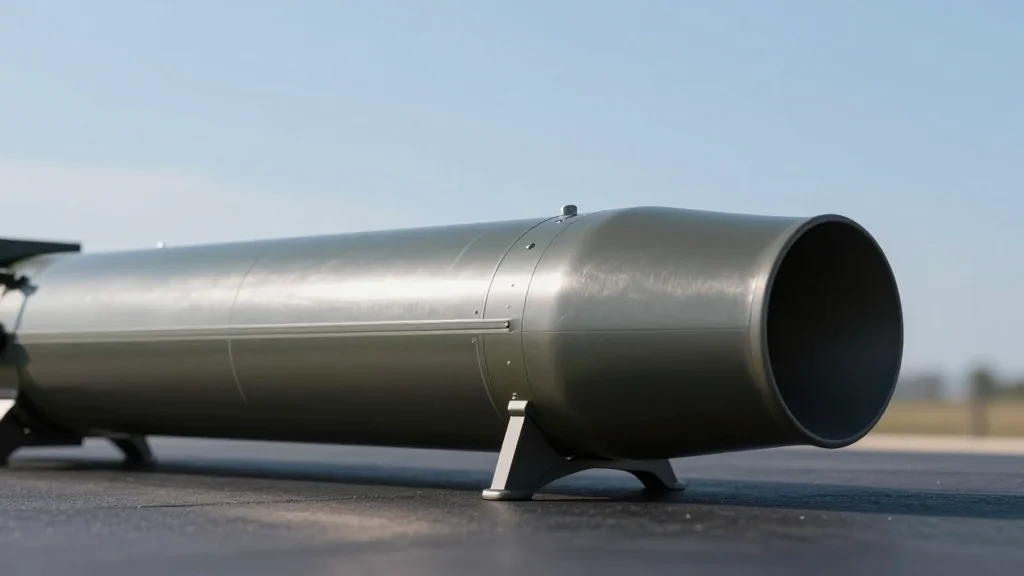
Lockheed Martin Wins $4.7 B Contract to Produce PAC‑3 MSE Missiles

Companies Mentioned
Why It Matters
The contract represents a decisive step in the United States’ broader effort to field a next‑generation air‑defense shield capable of countering hypersonic and maneuverable threats. By expanding the production of the PAC‑3 MSE, the Army can field larger, more responsive missile batteries, reducing the time required to replenish stocks after high‑intensity operations. For allies, the additional interceptors enhance collective deterrence, especially in regions where adversaries are fielding advanced missile capabilities. Beyond the immediate hardware, the deal reinforces the strategic importance of maintaining a domestic missile industrial base. A robust U.S. production pipeline reduces reliance on foreign suppliers, safeguards technology security, and ensures rapid scalability in response to emerging crises. The contract also signals to competitors that the United States is committed to sustaining a technological edge in missile defense, a critical factor in shaping future arms‑control and security dynamics.
Key Takeaways
- •Lockheed Martin awarded a $4.7 billion undefinitized contract for PAC‑3 MSE production
- •Contract enables record‑high output of air‑defense interceptors for the U.S. Army and allies
- •PAC‑3 MSE features a more powerful motor and advanced guidance software
- •Deal strengthens Lockheed’s market share in high‑end missile systems
- •First upgraded interceptors slated for delivery in late 2027
Pulse Analysis
Lockheed Martin’s $4.7 billion contract is more than a revenue boost; it is a strategic lever that reshapes the competitive landscape of missile defense. Historically, the PAC‑3 family has been the backbone of U.S. and NATO air‑defense networks, and the MSE upgrade extends its relevance into an era of hypersonic and stealthy threats. By securing a UCA, the Pentagon mitigates cost‑overrun risk while granting Lockheed the flexibility to adjust production rates as threat assessments evolve. This arrangement could become a template for future high‑value procurements where speed and scalability outweigh the certainty of fixed‑price contracts.
From a market perspective, the award deepens Lockheed’s moat against rivals. Raytheon’s portfolio leans heavily on the Patriot system, while Boeing’s focus remains on larger strategic interceptors. Lockheed’s ability to deliver a proven, yet upgraded, interceptor at scale gives it leverage in upcoming defense budget cycles, especially as the Army seeks to modernize its Integrated Air and Missile Defense (IAMD) architecture. Competitors will need to either develop comparable upgrades or carve niche markets in emerging technologies such as directed‑energy weapons to stay relevant.
Looking forward, the contract’s delivery schedule aligns with the Army’s broader modernization timeline, which includes fielding mobile launchers and networked sensor suites by the early 2030s. Successful execution will hinge on Lockheed’s supply‑chain resilience, particularly for critical components like high‑energy propellants and advanced electronics. Any disruption could prompt the Department of Defense to diversify its supplier base, potentially opening opportunities for smaller firms that can meet stringent performance standards. In sum, the contract not only fuels immediate production but also sets the stage for the next wave of air‑defense innovation and industrial policy decisions.
Lockheed Martin Wins $4.7 B Contract to Produce PAC‑3 MSE Missiles
Comments
Want to join the conversation?
Loading comments...