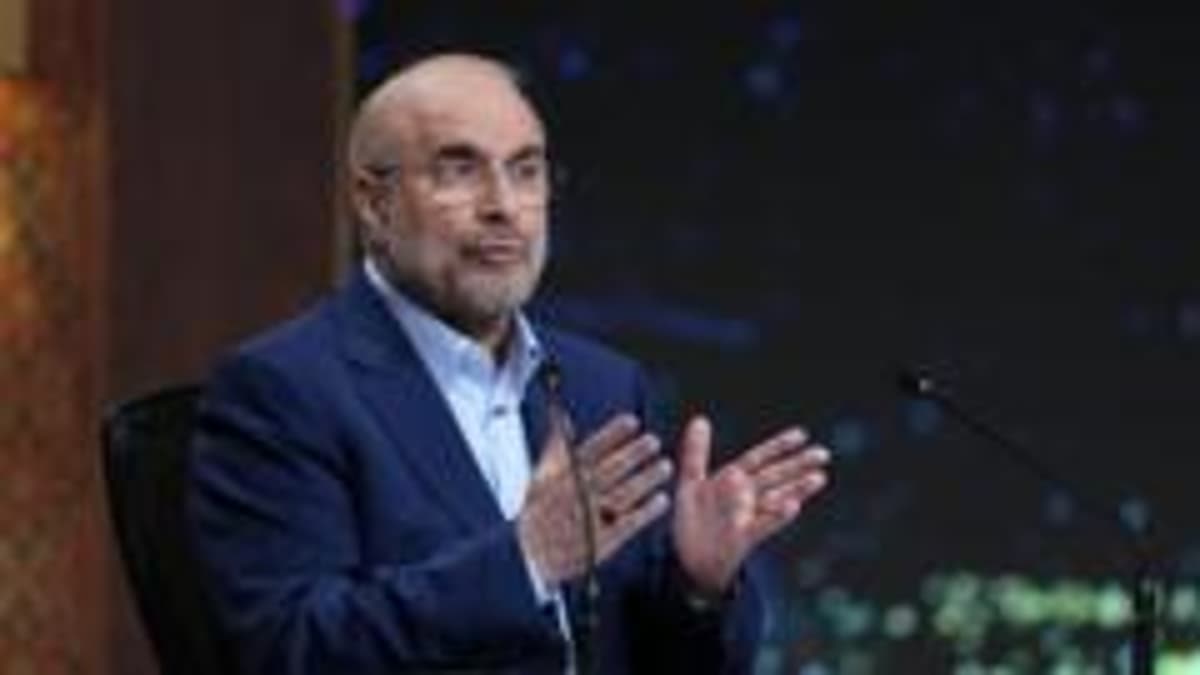
Lyse Doucet: Historic US-Iran Talks Must Bridge Deep Distrust
Why It Matters
Reviving direct U.S.–Iran engagement could curb regional escalation, reopen pathways to a nuclear restraint deal, and reshape Middle‑East security dynamics.
Key Takeaways
- •Vance‑Ghalibaf meeting would be first senior U.S.–Iran contact since 1979
- •Iran demands indirect talks via Oman, limiting direct U.S. engagement
- •U.S. team includes Steve Witkoff and Jared Kushner, reflecting Trump‑era tactics
- •Regional powers, especially Gulf states and Israel, watch talks for security guarantees
Pulse Analysis
The Islamabad meeting between Vice‑President JD Vance and Iran’s parliamentary speaker signals a rare diplomatic opening after more than four decades of hostility. While the photo‑op may be low‑key, the mere presence of senior officials from Washington suggests a willingness to test a fragile cease‑fire and explore a framework for nuclear restraint. Historically, high‑level U.S.–Iran talks have hinged on seasoned diplomats and multilateral support; this time, the U.S. relies on political operatives like Steve Witkoff and Jared Kushner, underscoring a shift toward a more politicized negotiating style.
Understanding the broader context is essential. The 2015 Joint Comprehensive Plan of Action, brokered by then‑Secretary of State John Kerry and Iran’s foreign minister Javad Zarif, collapsed after President Trump withdrew in 2018, leaving a vacuum filled by intermittent, indirect talks. Recent negotiations have been mediated by Oman and supported by the IAEA, yet they were repeatedly derailed by renewed hostilities, most recently a U.S.–Israeli strike that reignited war rhetoric. Iran’s hardliners, backed by the Revolutionary Guard, remain skeptical, demanding recognition of enrichment rights and security guarantees for its missile arsenal and the Strait of Hormuz.
If the Islamabad talks gain traction, the implications extend beyond Tehran and Washington. Gulf Cooperation Council members, still wary of Iran’s ballistic capabilities, will seek assurances that any agreement curtails missile threats. Israel, under Prime Minister Benjamin Netanyahu, will monitor the dialogue closely, fearing a strategic concession that could embolden Tehran. A successful diplomatic breakthrough could stabilize oil markets, reduce the risk of a broader regional conflagration, and potentially pave the way for a revised nuclear framework that balances Iran’s economic needs with non‑proliferation goals. The world now watches whether this historic encounter can translate into concrete policy outcomes.
Lyse Doucet: Historic US-Iran talks must bridge deep distrust
Comments
Want to join the conversation?
Loading comments...