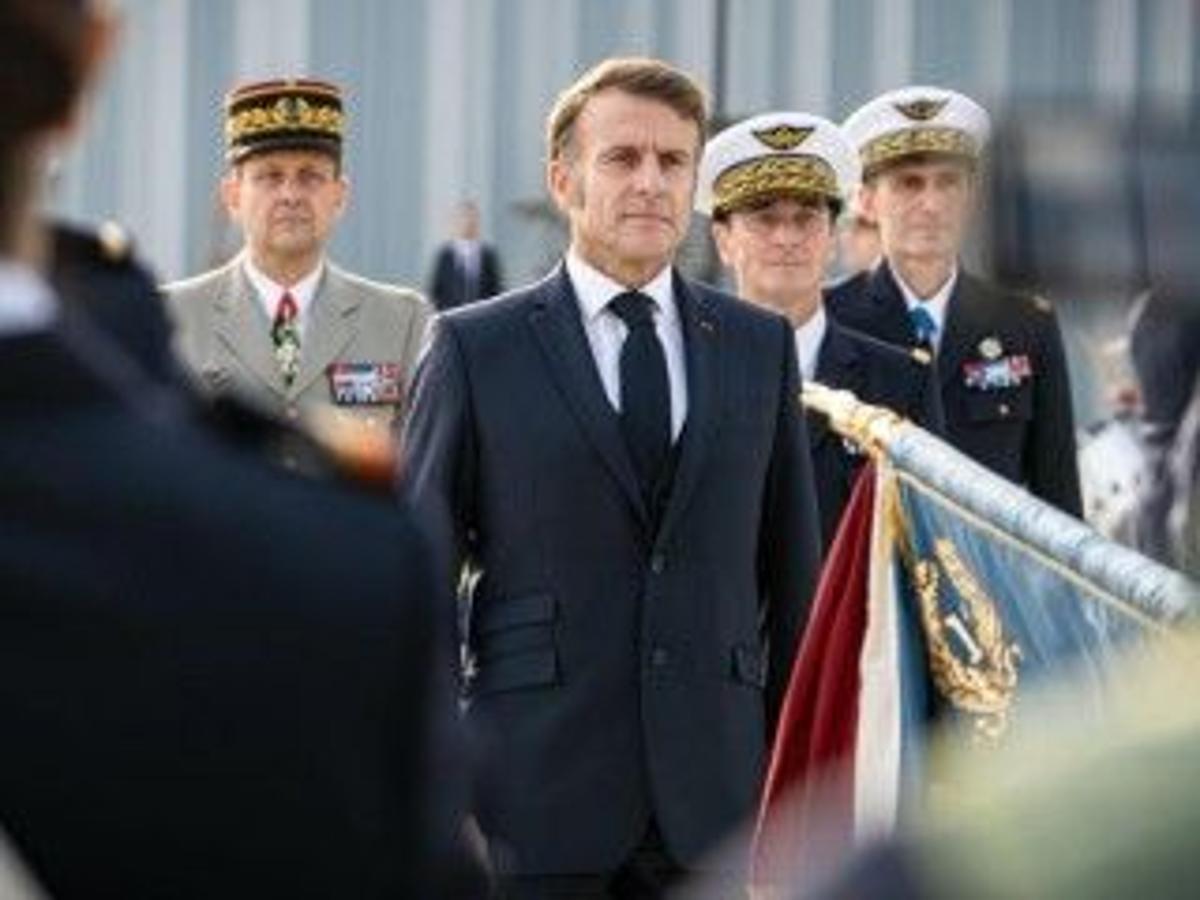
Macron in Poland. Strategic Missiles and Nuclear Deterrence
Why It Matters
Strengthening France‑Poland ties expands Europe’s strategic autonomy and bolsters NATO’s eastern flank. The agreements could accelerate Poland’s deep‑strike capabilities and reduce reliance on U.S. assets.
Key Takeaways
- •Macron to discuss France's extended nuclear deterrence with Poland
- •Potential sale of SCALP Naval cruise missiles for >1,000 km range
- •Poland may acquire two Airbus A330 MRTT refuelers from France
- •Joint ELSA programme aims to develop EU land‑based cruise missile
- •Talks include industrial cooperation on ammunition and satellite systems
Pulse Analysis
Macron’s April 20 visit to Poland marks a decisive step toward a more integrated European defence architecture. By positioning France’s extended nuclear deterrence alongside NATO’s sharing arrangements, Paris offers Warsaw a credible alternative that could enhance the country’s strategic bargaining power with Washington. The dialogue also signals a broader shift: European powers are increasingly willing to pool high‑end capabilities—such as Rafale‑borne ASMP‑A missiles and the upcoming EU land‑based cruise missile—thereby diversifying the continent’s nuclear posture and reducing sole reliance on U.S. nuclear assets.
On the conventional front, the prospect of Poland acquiring SCALP Naval cruise missiles and integrating them with Orka‑class or Swedish A26 submarines would give Warsaw a long‑range, sea‑based strike option previously unavailable in the region. Coupled with the ELSA programme’s push for a 1,000‑kilometre cruise missile, these moves could reshape the Baltic‑North Sea balance, prompting neighboring states to reassess their own deterrence postures. The anticipated purchase of two Airbus A330 MRTT tankers—potentially expanding to four—addresses a critical NATO capability gap, enhancing the Polish Air Force’s ability to sustain F‑35, F‑16 and FA‑50 operations without direct U.S. support.
Beyond weaponry, the talks emphasize industrial cooperation, from ammunition production with KNDS and Eurenco to satellite system development. Such collaboration aligns with the EU’s goal of rebuilding a resilient defence industrial base and securing supply chains for high‑intensity conflict. By deepening political, economic, and security ties, France and Poland are not only fortifying bilateral relations but also contributing to a more autonomous European security framework that can respond swiftly to emerging threats. This partnership could serve as a template for future Franco‑European defence initiatives.
Macron in Poland. Strategic missiles and nuclear deterrence
Comments
Want to join the conversation?
Loading comments...