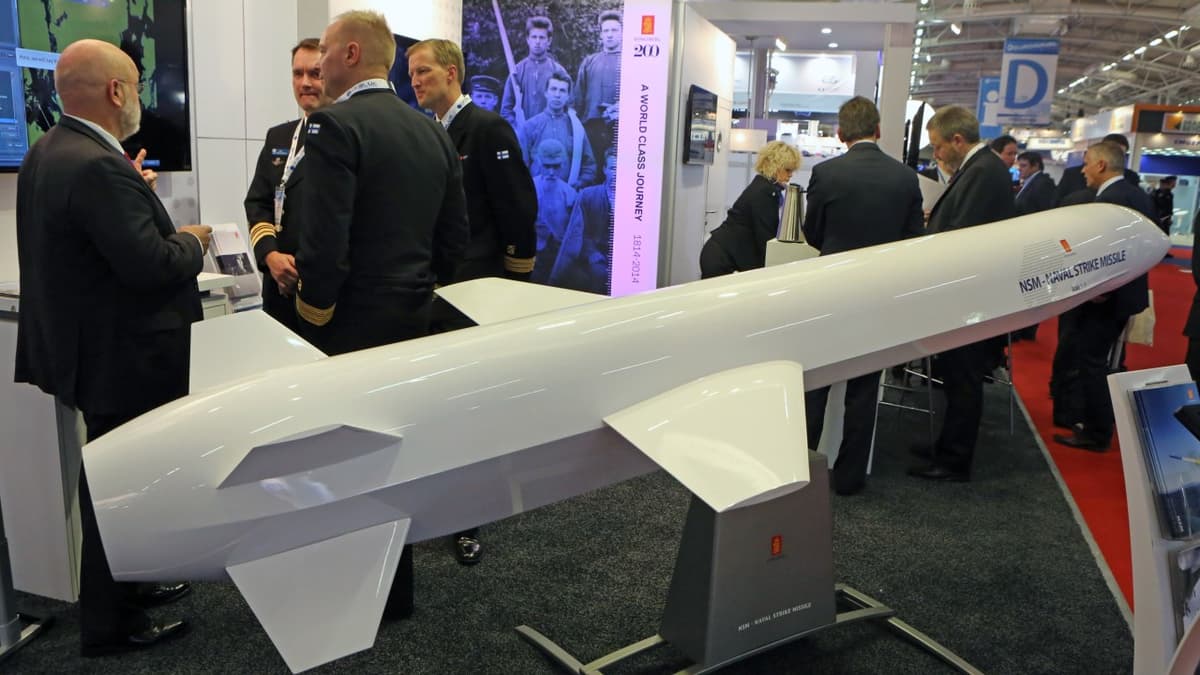
Malaysia Tells Norway to Hasten Scrapped Missile Deal Refund
Why It Matters
The stalled refund jeopardises Malaysia’s naval readiness and highlights how export‑licence decisions can disrupt multi‑billion‑dollar defence contracts, affecting confidence in the global arms market.
Key Takeaways
- •Norway refused export licence for Malaysia's Naval Strike Missile purchase
- •Malaysia seeks $151 million refund and faster repayment from Norway
- •Refund needed to fund alternative missile system for Royal Malaysian Navy
- •Indirect losses exceed $250 million, including integration and training costs
- •Malaysia evaluating missile options from Italy, France, Turkey, South Korea, US, Japan
Pulse Analysis
Norway’s decision to withhold an export licence for the Naval Strike Missile has rippled beyond a single contract, exposing the delicate balance between national security policies and international defence trade. Export controls are a sovereign tool, yet when a supplier nation blocks a licence after a buyer has already paid, the financial and operational fallout can be severe. In Malaysia’s case, the refusal left the Royal Malaysian Navy without a critical weapon system and forced the government to chase a $151 million refund, underscoring the risk of relying on foreign‑origin armaments without robust contingency clauses.
The immediate priority for Kuala Lumpur is to replace the cancelled missile suite without further delaying its littoral combat ships. Alternative systems under review—from Italy’s Oto Melara to the United States’ AGM‑158C—are already in production, but delivery timelines range from four to six years, extending the navy’s capability gap. The estimated indirect costs, now above $250 million, cover not only the lost procurement but also integration challenges, new training programmes, and potential platform modifications. This financial pressure accelerates Malaysia’s push to diversify its defence suppliers, reducing dependence on any single foreign source.
Beyond the bilateral row, the episode raises broader questions about the reliability of international defence contracts when political decisions intervene post‑sale. If governments can unilaterally block licences after payments are made, confidence in the rule‑based trade system erodes, potentially prompting buyers to demand stronger guarantees or shift toward domestic production. For Norway, a swift, transparent resolution could preserve a strategic partnership in Southeast Asia, while for Malaysia, the outcome will shape future procurement strategies and its stance on multilateral defence cooperation.
Malaysia tells Norway to hasten scrapped missile deal refund
Comments
Want to join the conversation?
Loading comments...