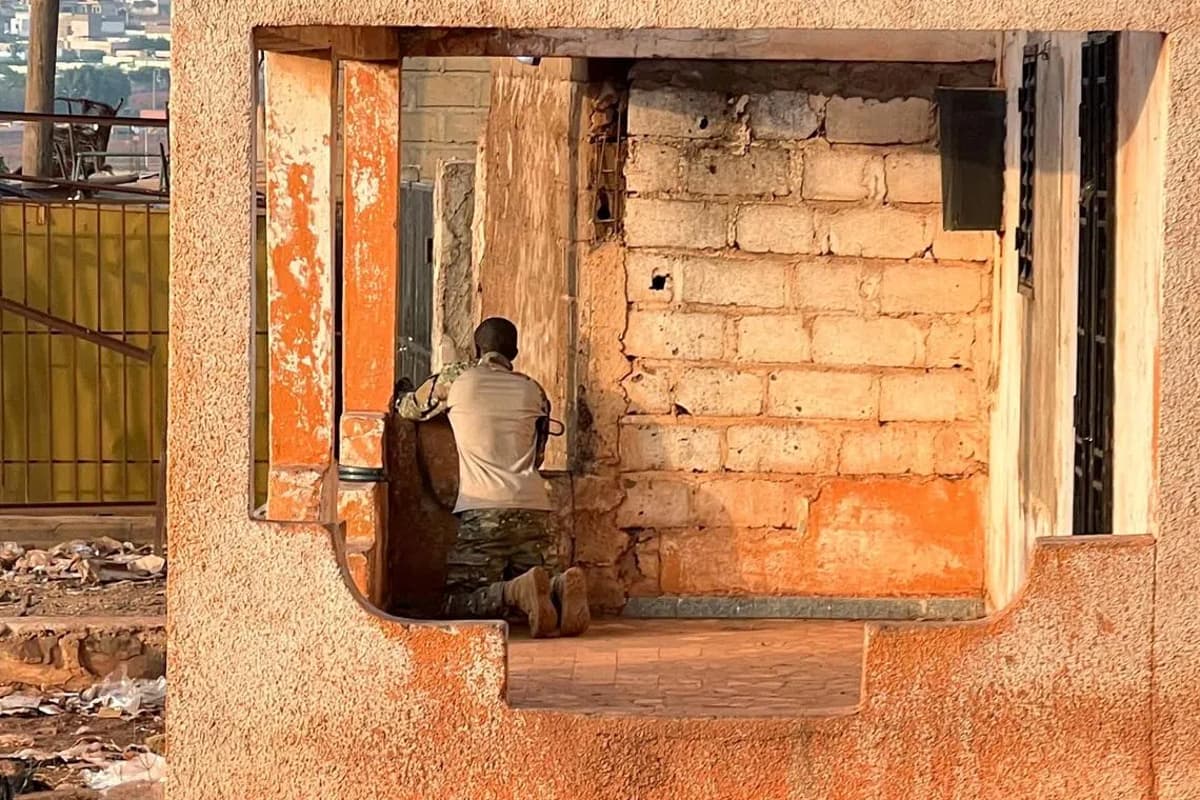
Mali's Defence Minister Reported Dead in Major Weekend Assault
Why It Matters
The killing of a senior cabinet member underscores the fragility of Mali’s military‑led government and raises the risk of broader destabilisation across the Sahel, threatening both security and key mineral export revenues.
Key Takeaways
- •Defence Minister Sadio Camara killed in Kati base attack
- •JNIM and Tuareg rebels coordinated largest assault in years
- •UN urges international response to escalating Sahel violence
- •Insurgents claim recapture of Kidal, status still disputed
- •Attacks hit gold‑rich regions, threatening Mali's export revenues
Pulse Analysis
The weekend onslaught in Mali reflects a deepening crisis in the Sahel, where jihadist networks such as JNIM have increasingly partnered with local Tuareg factions. Historically, the region’s porous borders and weak state institutions have allowed extremist groups to embed themselves within communities, leveraging grievances over marginalisation and resource distribution. By targeting the Kati military base—home to the defence minister—and striking gold‑rich districts, insurgents demonstrated both tactical sophistication and a strategic aim to disrupt the country’s economic lifelines.
Politically, the death of Defence Minister Sadio Camara removes a key figure in President Assimi Goïta’s security apparatus, potentially creating a power vacuum within the armed forces. This loss could embolden rebel coalitions, complicate ongoing negotiations with armed groups, and strain the already tenuous relationship between the military government and civilian institutions. Moreover, the alleged recapture of Kidal—a symbolic stronghold for northern separatists—signals a possible shift in territorial control that may affect mining contracts and foreign investment, especially in the lucrative gold sector that underpins a sizable share of Mali’s export earnings.
Internationally, the United Nations’ call for a coordinated response highlights the growing recognition that Sahel instability cannot be contained by any single nation. Regional bodies such as ECOWAS and external partners like France and the United States face pressure to recalibrate their counter‑terrorism strategies, balancing kinetic operations with development aid aimed at addressing the root causes of insurgency. As the security vacuum widens, stakeholders will watch closely whether diplomatic engagement, increased troop deployments, or new multilateral frameworks will emerge to curb the momentum of jihadist‑Tuareg alliances and restore a measure of stability to Mali’s volatile landscape.
Mali's defence minister reported dead in major weekend assault
Comments
Want to join the conversation?
Loading comments...