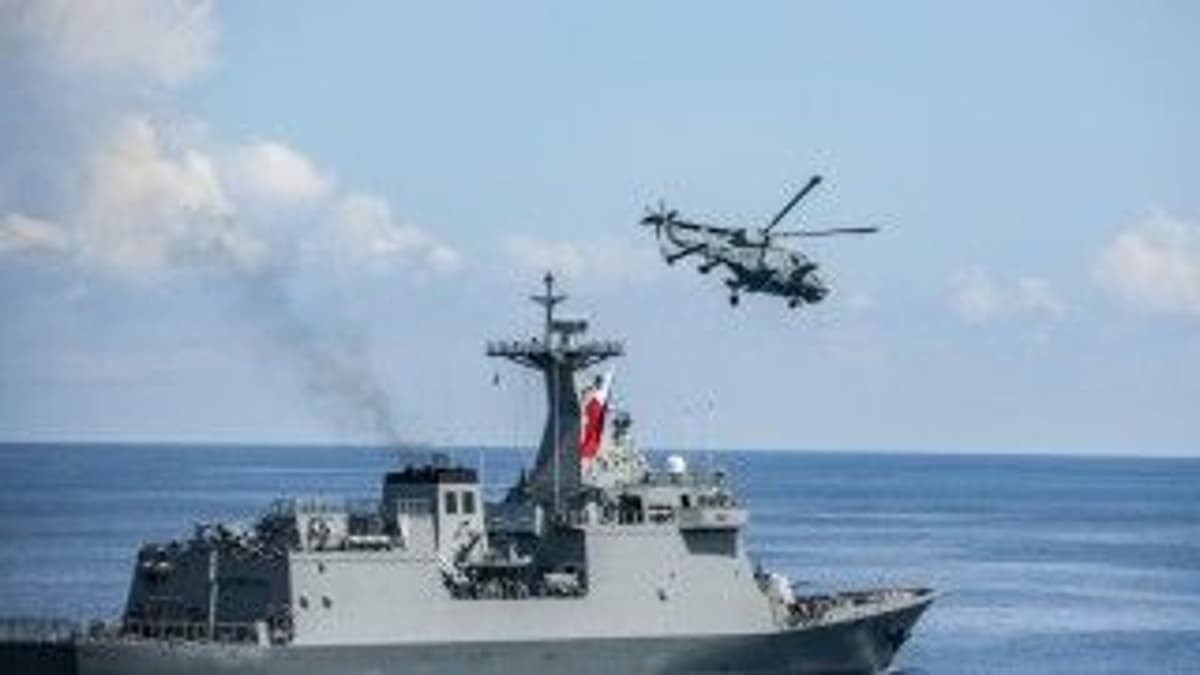
Maneuvers Near the South China Sea. Beijing Responds
Why It Matters
Balikatan signals a deepening security partnership among Indo‑Pacific allies and a coordinated pushback against China’s expansive maritime claims, raising the stakes for regional stability.
Key Takeaways
- •Balikatan involves 17,000 troops across seven allied nations
- •Japan will fire missiles in combat role for first time
- •Exercises focus on northern Luzon, near Taiwan and disputed South China Sea
- •China warned drills could undermine regional trust and stability
- •Goal: strengthen deterrence and uphold international maritime law
Pulse Analysis
The 2026 Balikatan exercises mark a watershed in Indo‑Pacific security cooperation. With roughly 17,000 personnel from the United States, the Philippines, France, Canada, Australia, New Zealand and Japan, the drill showcases unprecedented multilateral coordination. Japan’s shift from humanitarian assistance to an active combat role—launching missiles against a mock enemy vessel—underscores a broader re‑orientation toward forward‑deployed deterrence in a region where Beijing’s maritime ambitions have intensified.
Strategically, the exercises serve a dual purpose: they reinforce the United States’ commitment to its treaty ally, the Philippines, and send a clear signal to Beijing that a coalition of democratic partners is prepared to contest any coercive moves toward Taiwan or contested South China Sea features. By simulating high‑intensity operations near contested waters, the allies are testing interoperability, rapid response, and the enforcement of international maritime law, thereby raising the cost of potential Chinese aggression.
The geopolitical ripple effects extend beyond the immediate theater. A unified display of force bolsters alliance cohesion, deterring China from exploiting perceived divisions among U.S. partners. However, Beijing’s sharp criticism warns of possible retaliatory measures, ranging from increased naval patrols to diplomatic pressure on participating nations. As the United States seeks to maintain a credible presence in the Indo‑Pacific, the outcome of Balikatan will shape future force posturing, defense spending priorities, and the broader balance of power in one of the world’s most vital trade corridors.
Maneuvers near the South China Sea. Beijing responds
Comments
Want to join the conversation?
Loading comments...