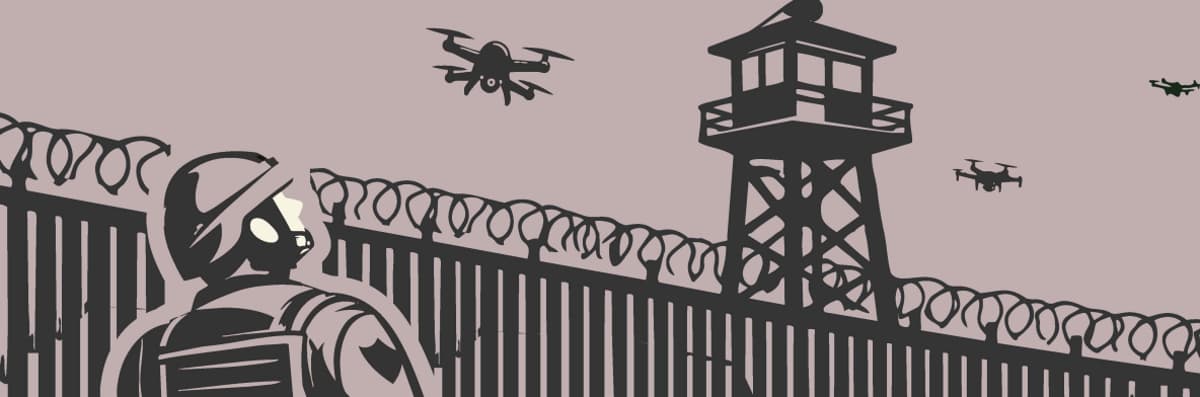
Mapping Weaponized Drone Attacks Attributed to Mexican Drug Cartels
•February 16, 2026
0
Why It Matters
Cartel‑operated drones elevate violence levels and threaten cross‑border security, prompting urgent policy and law‑enforcement responses. Understanding the scale and tactics informs counter‑UAS strategies and international cooperation.
Key Takeaways
- •221 weaponized drone incidents (2021‑2025) in Mexico
- •27 attacks caused 77 fatalities
- •CJNG responsible for 42 attacks, 19% share
- •LNFM spikes to 20 attacks 2024, 15 in 72 hrs
- •Drone use expanding toward U.S. border regions
Pulse Analysis
The proliferation of commercial‑grade unmanned aerial systems among Mexican drug cartels marks a new frontier in asymmetric warfare. Between 2021 and 2025, researchers cataloged over two hundred weaponized drone events, a figure that dwarfs earlier estimates of illicit aerial activity. Cartels have repurposed off‑the‑shelf quadcopters to deliver grenades, improvised explosive devices, and even multi‑munition payloads, blurring the line between conventional crime and terrorist tactics. This shift reflects both the accessibility of drone technology and the strategic calculus of groups seeking to intimidate rivals, civilian populations, and state actors without direct confrontation.
Operational sophistication is rising alongside frequency. The Jalisco New Generation Cartel has experimented with first‑person‑view (FPV) platforms that detonate on impact, while La Nueva Familia Michoacana demonstrated a capacity to launch coordinated strikes—over twenty explosives in a single 72‑hour window. Such capabilities enable rapid, hard‑to‑trace attacks that strain local law‑enforcement resources and complicate intelligence gathering. Moreover, the geographic diffusion toward border states amplifies the risk of spillover incidents affecting U.S. communities, prompting heightened alerts from homeland‑security agencies.
Policy implications are immediate. The 2025 designation of six Mexican cartels as foreign terrorist organizations provides a legal framework for intensified counter‑UAS measures, including cross‑border intelligence sharing, export controls on drone components, and targeted disruption of illicit supply chains. Future research must track evolving payload designs and command‑and‑control methods to stay ahead of adaptive threats. By integrating academic insights with operational data, stakeholders can develop calibrated responses that protect civilians while curbing the militarization of the drug trade.
Mapping Weaponized Drone Attacks Attributed to Mexican Drug Cartels
0
Comments
Want to join the conversation?
Loading comments...