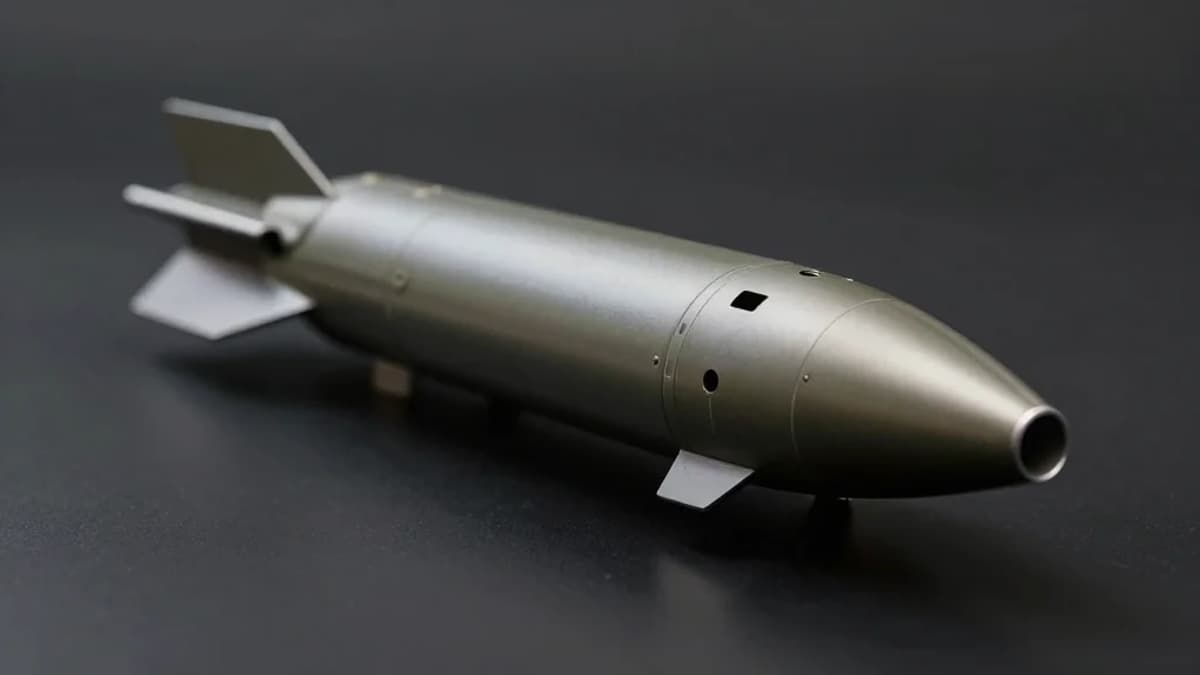
Why It Matters
The claim raises the risk of a new nuclear arms race and could destabilize global non‑proliferation efforts, prompting diplomatic and market reactions.
Key Takeaways
- •US alleges Chinese underground nuclear drilling
- •Potential CTBT violation cited by Washington
- •Accusation follows broader US‑China strategic rivalry
- •No official Chinese response released yet
- •Implications for global non‑proliferation regime
Pulse Analysis
The United States’ latest accusation that China is gearing up for a nuclear test reflects a deepening mistrust between the two powers. Over the past year, Washington has increased surveillance of Chinese military sites, leveraging high‑resolution satellite data to monitor construction activity near known test facilities. By publicly naming China’s alleged preparations, the U.S. aims to pressure Beijing into reaffirming its commitment to the Comprehensive Nuclear‑Test‑Ban Treaty, even though China has never ratified the treaty. This move also serves domestic political purposes, signaling a tough stance on perceived strategic threats.
If the allegations hold merit, they could trigger a cascade of diplomatic consequences. Allies in the Nuclear Suppliers Group and the United Nations may demand verification mechanisms, while Russia and other nuclear powers could exploit the narrative to justify their own testing programs. The incident underscores the fragility of the global non‑proliferation architecture, which relies heavily on mutual trust and transparent reporting. Any breach—or perceived breach—of the CTBT could erode confidence in the treaty, prompting calls for renewed verification protocols or even a revival of limited testing allowances.
Financial markets are likely to react to heightened geopolitical risk, especially sectors tied to defense, energy, and rare‑earth supply chains. Defense contractors may see increased demand for missile detection and counter‑measure technologies, while investors could reassess exposure to Chinese sovereign debt amid potential sanctions. Moreover, the accusation may influence multinational corporations’ supply chain strategies, prompting diversification away from regions perceived as high‑risk. Overall, the U.S. charge not only intensifies the strategic rivalry but also forces policymakers, businesses, and investors to reconsider the stability of the current nuclear order.
March 2026 China news
0
Comments
Want to join the conversation?
Loading comments...