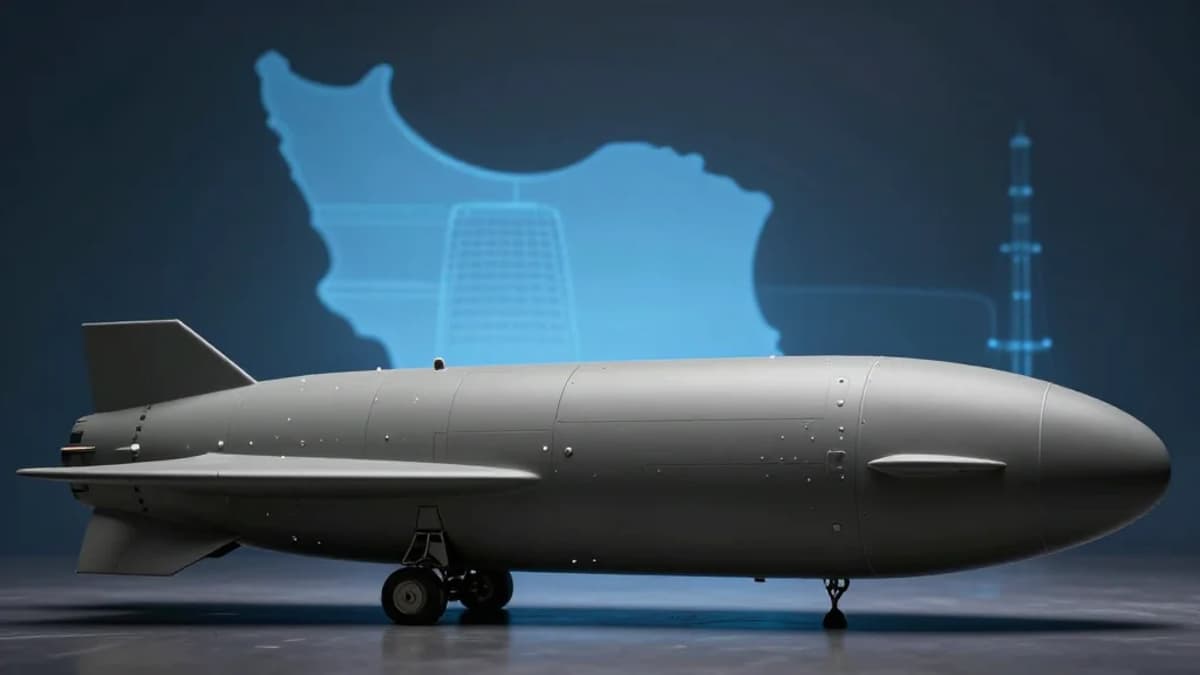
Why It Matters
The strike threatens to derail multilateral non‑proliferation efforts and could trigger a broader Middle‑East conflict, impacting global security and markets. Investors and policymakers must reassess risk exposure amid heightened geopolitical volatility.
Key Takeaways
- •Trump orders missile strike on Iranian nuclear facilities
- •Strike occurs during active diplomatic negotiations in Vienna
- •U.S. defense budget sees immediate $2 billion increase
- •Global oil prices jump 4% following attack
Pulse Analysis
The unexpected military action by Donald Trump has reshaped the diplomatic landscape surrounding Iran's nuclear ambitions. While the Vienna talks were poised to produce a framework for verification and gradual sanctions relief, the strike introduced a new calculus for both sides. Analysts note that the U.S. move undermines the credibility of back‑channel negotiations and may embolden hardliners in Tehran, complicating any future diplomatic overtures.
From a security perspective, the attack raises questions about the future of the non‑proliferation regime. The International Atomic Energy Agency (IAEA) now faces the challenge of assessing damage to Iran's nuclear infrastructure while maintaining its inspection mandate. Moreover, the precedent of unilateral force during negotiations could encourage other states to adopt similar tactics, eroding the norms that have underpinned arms control agreements for decades.
Financial markets have already reacted, with Brent crude climbing over four percent and defense contractors reporting a surge in order books. The U.S. defense budget is projected to absorb an additional $2 billion to support ongoing operations and readiness. Investors are advised to monitor geopolitical risk premiums, as the potential for a wider regional escalation could reverberate across energy, aerospace, and commodities sectors.
March 2026 - Iran news
0
Comments
Want to join the conversation?
Loading comments...