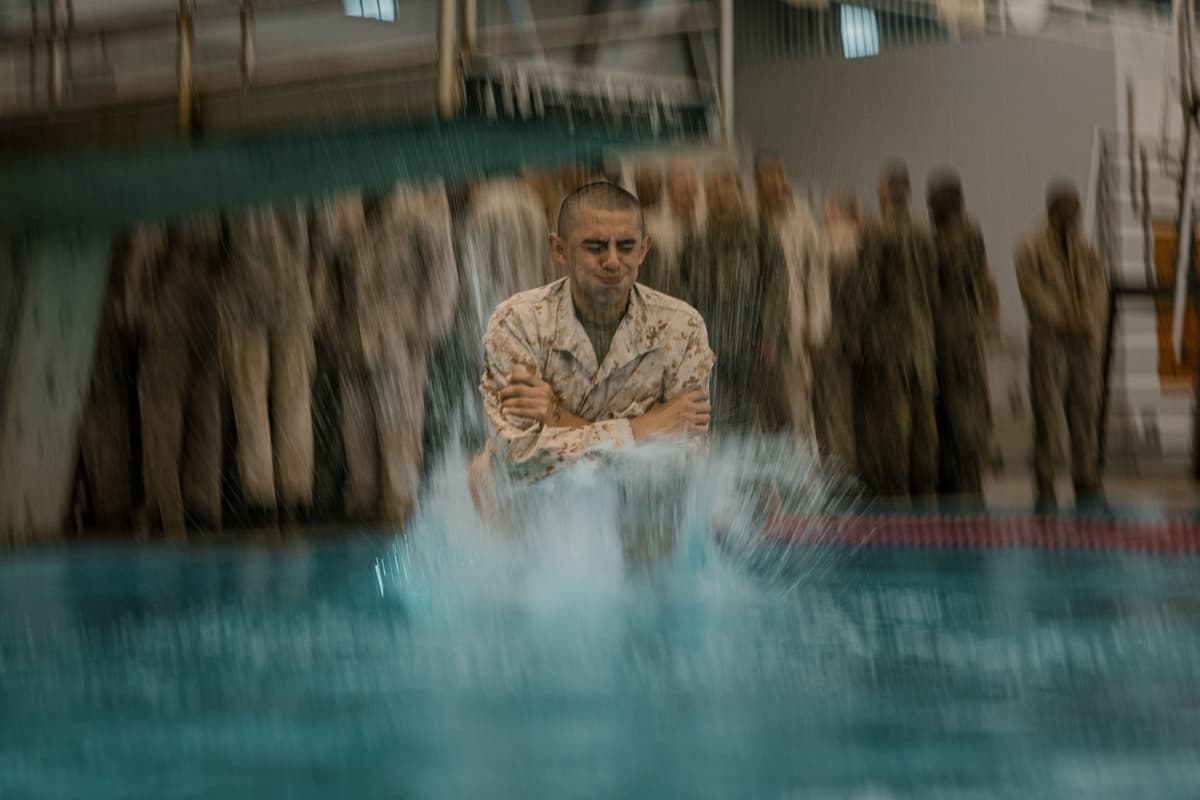
Why It Matters
Elevating aquatic competence boosts unit readiness for maritime operations and embeds water proficiency into career advancement, directly impacting combat effectiveness.
Key Takeaways
- •New swim test combines survival and egress training.
- •Implementation starts Oct 1, 2026.
- •Five qualification levels replace current basic standard.
- •Failure may lead to administrative counseling.
- •Water skills now tied to performance evaluations.
Pulse Analysis
The Marine Corps’ decision to tighten swim qualifications reflects a long‑standing concern over aquatic readiness. Since 2022, senior leaders have highlighted a “swimming problem” that could hinder amphibious missions, prompting a shift from a single boot‑camp test to a continuous, career‑long skill set. By integrating water survival with underwater egress training, the service aligns its curriculum with modern maritime threats and the need for rapid, safe extraction from hostile environments.
Under the new MARADMIN guidance, Marines will progress through five distinct levels—Basic, Novice, Competent, Proficient, and Advanced—each demanding longer treading‑water periods and mastery of additional strokes. The Novice tier becomes the minimum post‑boot‑camp requirement, and failure to meet it may result in administrative counseling. Importantly, these water‑skill metrics will now feed directly into the Junior Enlisted Performance Evaluation System and senior performance reviews, making aquatic proficiency a measurable component of career advancement.
Embedding rigorous swim standards into performance evaluations signals a broader cultural shift toward holistic combat readiness. As the Navy and other services emphasize joint maritime operations, the Marine Corps’ enhanced focus on water competence could set a benchmark for inter‑service training standards. While the increased difficulty may challenge some personnel, the long‑term payoff includes higher unit survivability, reduced casualty risk during shipboard incidents, and a more versatile force capable of operating confidently across the full spectrum of maritime environments.
Marine Corps to ramp up swim test difficulty
0
Comments
Want to join the conversation?
Loading comments...