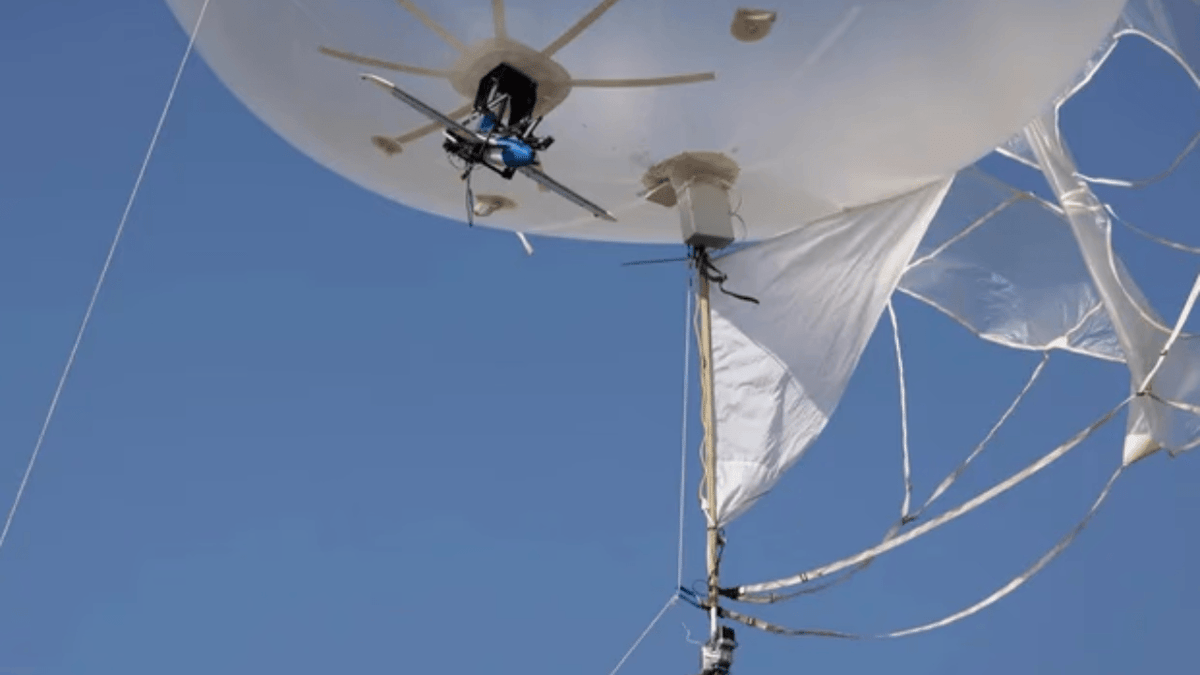
MaXon Systems Secures Funding to Build Autonomous Air Defence Against Mass Drone Attacks
•February 20, 2026
0
Why It Matters
Scalable autonomous air defence counters the rising threat of mass drone attacks, reducing reliance on costly manned systems and strengthening NATO’s perimeter protection.
Key Takeaways
- •MaXon raised undisclosed funding from Greenflag, BRAVE1, others
- •System targets mass Shahed‑type drone swarms autonomously
- •Detect‑to‑defeat stack offers 16 km range detection
- •Remote command post can launch multiple interceptors simultaneously
- •Radar integration with EU automotive partner for all‑weather guidance
Pulse Analysis
The proliferation of inexpensive, commercially‑available drones has reshaped modern battlefields, allowing adversaries to launch coordinated swarms that overwhelm traditional point‑defence assets. Nations across Europe and NATO are grappling with how to protect critical infrastructure and urban centers without deploying prohibitively expensive manned air‑defence batteries at scale. This strategic shift has spurred a wave of investment in autonomous counter‑UAS technologies that can detect, track, and neutralise multiple threats in real time.
MaXon Systems’ approach centres on a closed‑loop, detect‑to‑defeat architecture that fuses a high‑speed interceptor called Eichel with a proprietary detection and tracking unit capable of spotting targets at 16 km. Its software stack automates the launch, mid‑course guidance and terminal engagement phases, even in GPS‑denied or electronic‑warfare‑heavy environments. By offloading decision‑making to AI‑driven algorithms, a remote command centre can dispatch several interceptors simultaneously, compressing the intercept cycle into a rapid launch‑target‑engage sequence. Ongoing integration of FMCW radar with an EU automotive partner promises all‑weather performance, addressing a key limitation of many current systems.
The recent funding round, featuring Greenflag Ventures and BRAVE1, underscores market confidence that autonomous air‑defence will become a cornerstone of European security architecture. With TRL 8 validation in combat and a commercial launch slated for early 2026, MaXon is positioned to meet the urgent demand for scalable, cost‑effective solutions. As NATO modernises its air‑defence posture, platforms that combine high‑volume interception, remote operation and weather‑resilient guidance are likely to attract further public and private investment, shaping the next decade of defence procurement.
MaXon Systems secures funding to build autonomous air defence against mass drone attacks
0
Comments
Want to join the conversation?
Loading comments...