Why It Matters
AI’s battlefield integration gives the United States a decisive operational edge while introducing new escalation risks and legal challenges, reshaping defense spending and global security dynamics.
Key Takeaways
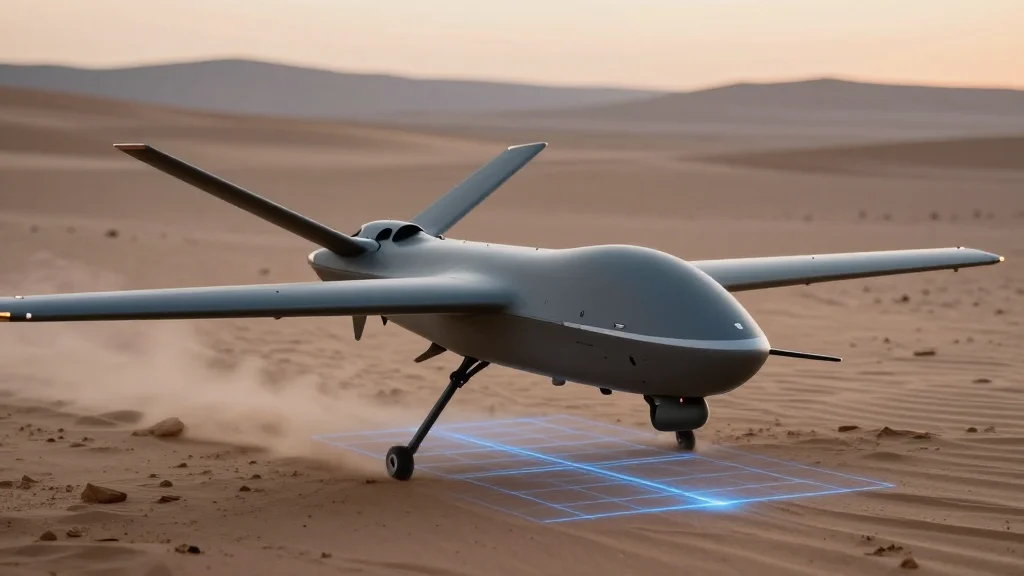
- •US deployed AI‑driven drones for real‑time target identification
- •AI algorithms intercept Iranian cyber communications, disrupting command networks
- •Autonomous weapons raise escalation risk without human oversight
- •Defense contractors report $2 billion in AI war‑budget allocations
- •International law debates AI use in sovereign conflicts
Pulse Analysis
The integration of artificial intelligence into kinetic operations has moved from experimental labs to the front lines of the emerging conflict with Iran. In the latest phase of the war, U.S. and coalition forces are employing AI‑enhanced platforms that can process sensor data and designate targets within seconds, dramatically shortening the decision cycle. This capability is especially valuable in the densely populated urban zones where Iranian forces have entrenched themselves, allowing precision strikes while limiting collateral damage. Analysts see AI as the decisive edge that reshapes conventional battle doctrine.
Beyond the battlefield, AI is driving a new wave of cyber‑offensive tools aimed at Iran’s command‑and‑control infrastructure. Machine‑learning models sift through massive volumes of intercepted communications, flagging vulnerable nodes for disruption in real time. At the same time, autonomous weapon systems—ranging from loitering munitions to swarm drones—are being fielded with limited human oversight, raising concerns about unintended escalation. Defense contractors have already secured roughly $2 billion in contracts to develop these capabilities, underscoring the rapid monetization of AI in national security budgets.
The strategic implications extend far beyond the immediate theater. Nations observing the AI‑enabled Iranian conflict are reassessing their own defense postures, prompting a global race for autonomous systems that can operate under contested electromagnetic environments. At the same time, legal scholars and human‑rights groups are intensifying debates over compliance with international humanitarian law, particularly the principle of meaningful human control. For investors, the surge in AI‑war spending signals robust growth prospects for firms specializing in sensor fusion, edge computing, and secure AI algorithms.
May 2026 - AI News
Comments
Want to join the conversation?
Loading comments...