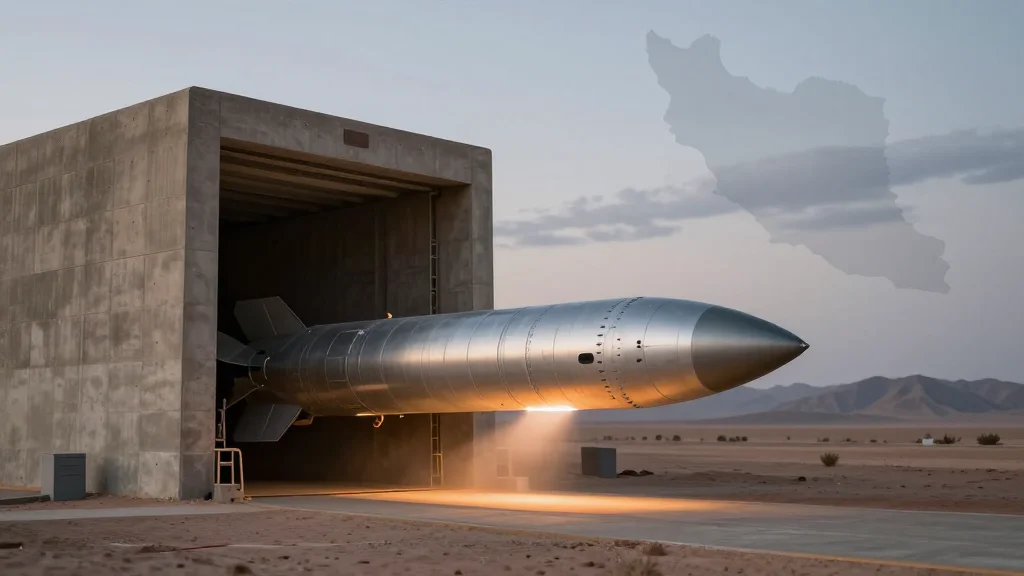
Why It Matters
Trump’s dismissal of a nuclear threat reduces immediate escalation risk, but underscores the fragility of the stalled Iran nuclear talks, affecting regional security and global energy markets.
Key Takeaways
- •Trump publicly rejects nuclear option against Iran
- •Iran‑U.S. nuclear talks stalled over verification issues
- •Statement aims to reassure allies and investors
- •Escalation risk remains despite rhetoric of restraint
Pulse Analysis
The latest comments from former President Donald Trump come at a critical juncture for the Joint Comprehensive Plan of Action (JCPOA) negotiations. While Trump is no longer in office, his influence on the Republican caucus and the broader political discourse remains significant. By dismissing the idea of a nuclear strike, he seeks to temper hawkish sentiment within the administration and among congressional leaders, reinforcing a narrative that diplomatic pathways, however slow, remain preferable to military escalation. This stance also serves to reassure European partners who fear a unilateral U.S. move could destabilize the delicate balance achieved by the 2015 agreement.
Stalled talks between Washington and Tehran have centered on verification protocols and the sequencing of sanctions relief. Iran insists on a comprehensive lift of economic sanctions before allowing additional inspections, while the United States demands tighter monitoring to prevent clandestine enrichment. The impasse has ripple effects on global oil markets; uncertainty over Iran’s nuclear trajectory often triggers price volatility, prompting investors to seek safe‑haven assets. Trump’s remarks, therefore, act as a market signal that the U.S. is not poised to trigger a sudden geopolitical shock, which can help temper speculative spikes in crude prices.
Looking ahead, the durability of this diplomatic posture will depend on the Biden administration’s ability to bridge the verification gap and on regional actors’ willingness to engage in confidence‑building measures. If talks resume, the emphasis on restraint highlighted by Trump could translate into a more predictable policy environment, encouraging foreign direct investment in the Middle East and supporting broader non‑proliferation goals. Conversely, any shift toward aggressive rhetoric could reignite fears of a nuclear showdown, underscoring the delicate interplay between political statements and strategic stability.
May 2026 - Iran News
Comments
Want to join the conversation?
Loading comments...