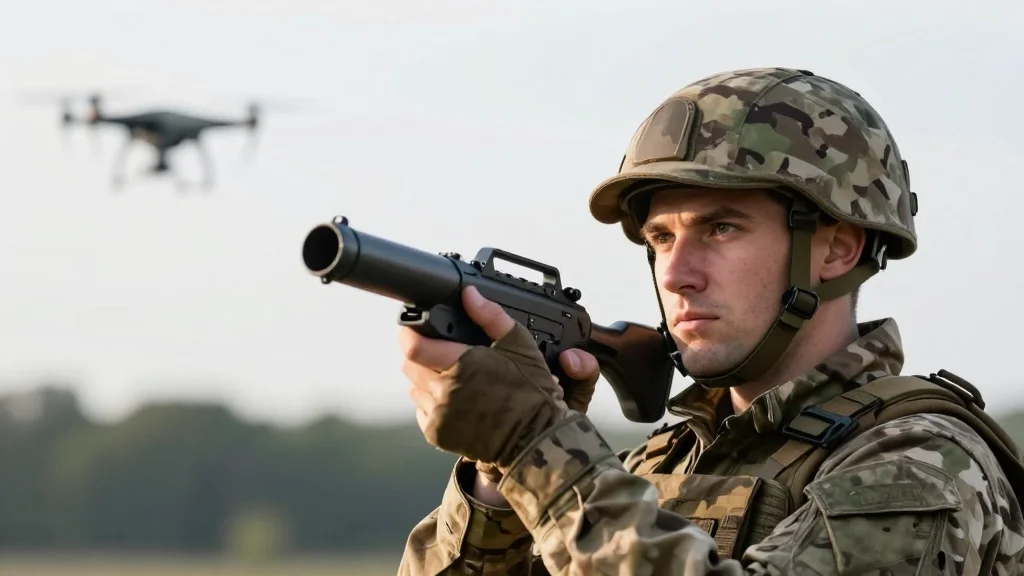
May Land Forces Roundup: Counter-Drone Systems Move up the Agenda
Why It Matters
The incidents expose a growing vulnerability of Eastern European airspace to hostile drones, accelerating defense spending and joint NATO counter‑UAS initiatives.
Key Takeaways
- •Latvia recorded three drone incursions on May 7, blamed on Russia
- •NATO deployed Baltic Air Policing to patrol Latvia’s eastern border
- •Romanian airspace breached twice; drone damaged eastern apartment block
- •Latvia created new counter‑drone unit after incursions
- •NATO exercises now prioritize counter‑UAS tactics across Europe
Pulse Analysis
The May 2026 drone incursions on Europe’s eastern flank have thrust counter‑UAS capabilities into the spotlight for land forces. Latvia experienced three uncrewed aerial system (UAS) violations on May 7, with two drones crashing and a third fleeing, an event NATO attributed to Russian activity. Shortly after, Romania reported two separate breaches, one of which culminated in a drone colliding with an apartment building in the country’s east. These incidents underscore a tangible escalation in low‑altitude threats that traditional air‑defence assets struggle to address.
In response, NATO has accelerated its focus on counter‑drone tactics across joint exercises and rapid‑deployment missions. Baltic Air Policing aircraft were dispatched to monitor Latvia’s border, while allied forces demonstrated new detection and neutralisation systems, such as the RDC Robotics Raven, during recent drills. Latvia’s decision to stand up a dedicated counter‑drone unit reflects a broader shift toward specialized, ground‑based solutions that can engage small, fast‑moving UAVs without relying solely on fighter intercepts. The integration of electronic‑warfare suites, directed‑energy weapons, and kinetic nets is becoming a standard component of forward‑deployed forces.
The strategic implications are significant for both national budgets and alliance cohesion. Eastern European nations are likely to increase procurement of counter‑UAS platforms, driving market growth for vendors offering modular, AI‑driven detection and engagement tools. Moreover, the heightened threat environment reinforces NATO’s collective defence mandate, prompting member states to share intelligence and coordinate rapid‑response protocols. As adversaries continue to exploit inexpensive drone technology, the emphasis on resilient, layered air‑space security will shape defense planning well into the next decade.
May land forces roundup: counter-drone systems move up the agenda
Comments
Want to join the conversation?
Loading comments...