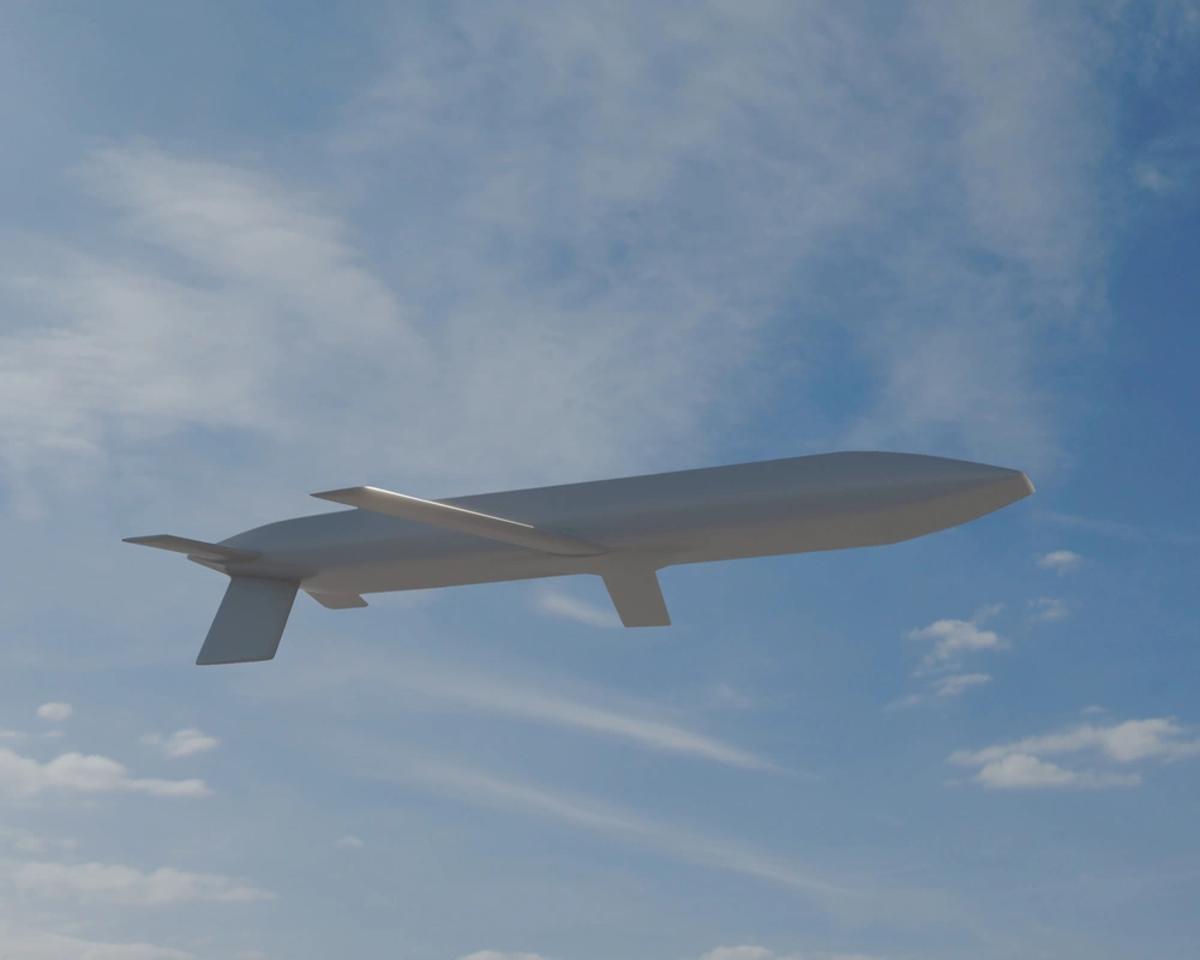
Meink: Long-Range Nuclear Cruise Missile ‘Going Well’ but Entering Critical Phase
Why It Matters
The LRSO’s on‑track development secures a modern, survivable nuclear strike option for the U.S., reinforcing deterrence while supporting the broader nuclear modernization agenda.
Key Takeaways
- •LRSO program on schedule, cost within targets, entering production phase
- •FY2027 budget requests $1.53 billion, nearly double FY2026 funding
- •RTX leads development; $2 billion contract awarded for engineering and manufacturing
- •LRSO will equip B‑21 and B‑52 bombers, replacing AGM‑86 by decade’s end
Pulse Analysis
The Air Force’s Long‑Range Stand‑off Weapon program has emerged as the standout success among a crowded nuclear modernization portfolio that includes the B‑21 bomber, Sentinel ICBM and upgraded command‑and‑control systems. By leveraging model‑based systems engineering, RTX has kept the LRSO on schedule and under budget, delivering a virtual flight test record of six million miles and passing its critical design review in 2023. This disciplined approach not only curbs cost overruns but also accelerates the transition from research to production, positioning the missile for fielding before the decade ends.
Funding dynamics underscore the program’s strategic priority. After Congress trimmed the FY2026 request to $793 million, the Air Force is now seeking $1.53 billion for FY2027—covering $565 million in R&D, $506 million in procurement and $457 million in advance procurement. The budget trajectory projects procurement spending to exceed $3 billion by 2031 while R&D dollars taper to a modest $23 million. This shift reflects a “sensitive period” where the missile moves from design validation to low‑rate production, demanding sustained congressional support to avoid bottlenecks.
Operationally, the LRSO will revitalize the nuclear air‑launched strike capability that has relied on the 1980s‑era AGM‑86. Integrated onto the stealthy B‑21 Raider and the legacy B‑52, the new subsonic missile—carrying a W80‑4 warhead up to 150 kilotons—offers greater stand‑off range and flexibility, allowing bombers to strike without overflying heavily defended airspace. This enhances deterrence credibility and provides policymakers with a recallable, retargetable option, reinforcing the stability of the nuclear triad in an era of evolving threats.
Meink: Long-Range Nuclear Cruise Missile ‘Going Well’ but Entering Critical Phase
Comments
Want to join the conversation?
Loading comments...