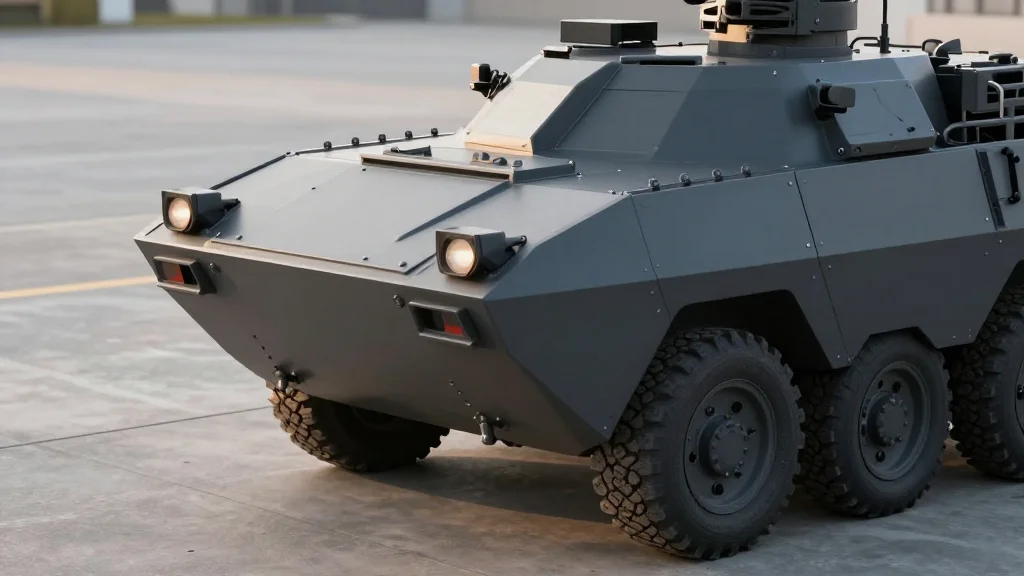
Mercedes Set to Partner with Drone Defence Start-Up Tytan
Companies Mentioned
Why It Matters
The alliance gives Mercedes a first‑mover edge in vehicle‑level anti‑drone capabilities, addressing safety concerns and regulatory pressures while opening a new revenue stream in automotive security.
Key Takeaways
- •Mercedes partners with Tytan for anti‑drone solutions
- •Integration targets luxury vehicles and commercial fleets
- •Tytan's AI detects drones within 500 meters
- •Partnership taps $50 million market for vehicle security
- •Collaboration aligns with EU drone‑regulation compliance
Pulse Analysis
The rapid proliferation of commercial and hobbyist drones has transformed logistics, surveillance, and, increasingly, threat landscapes. Incidents of unauthorized drones hovering near critical infrastructure, airports, and public events have prompted regulators across Europe and North America to tighten airspace rules. For the automotive sector, the risk is two‑fold: drones can be weaponised to target high‑value vehicles, and they can be used for illicit data collection on autonomous systems. As manufacturers embed connectivity and autonomy, safeguarding against airborne intrusion becomes a core safety requirement.
Mercedes‑Benz’s partnership with Tytan signals a proactive shift from passive vehicle design to active threat mitigation. Tytan’s platform combines radar, electro‑optical sensors and AI algorithms to identify, classify and, if necessary, neutralise rogue drones within a 500‑metre radius. By integrating this suite directly into the vehicle’s electronic architecture, Mercedes aims to offer customers a seamless security layer that operates without driver intervention. Early pilots will focus on flagship sedans and Mercedes‑eActros trucks, leveraging the brand’s existing telematics infrastructure to deliver real‑time alerts and automated counter‑measures.
The collaboration could reshape the emerging market for automotive security, estimated to exceed $50 billion by 2030. Competitors such as Tesla and BMW are already exploring sensor‑fusion solutions, but few have partnered with dedicated anti‑drone firms. If Mercedes successfully commercialises the technology, it may set a new industry benchmark, prompting OEMs to embed similar capabilities as standard equipment. Moreover, the move aligns with forthcoming EU drone‑regulation mandates, positioning Mercedes to meet compliance requirements ahead of rivals and to monetize a premium safety feature across its global fleet.
Mercedes set to partner with drone defence start-up Tytan
Comments
Want to join the conversation?
Loading comments...